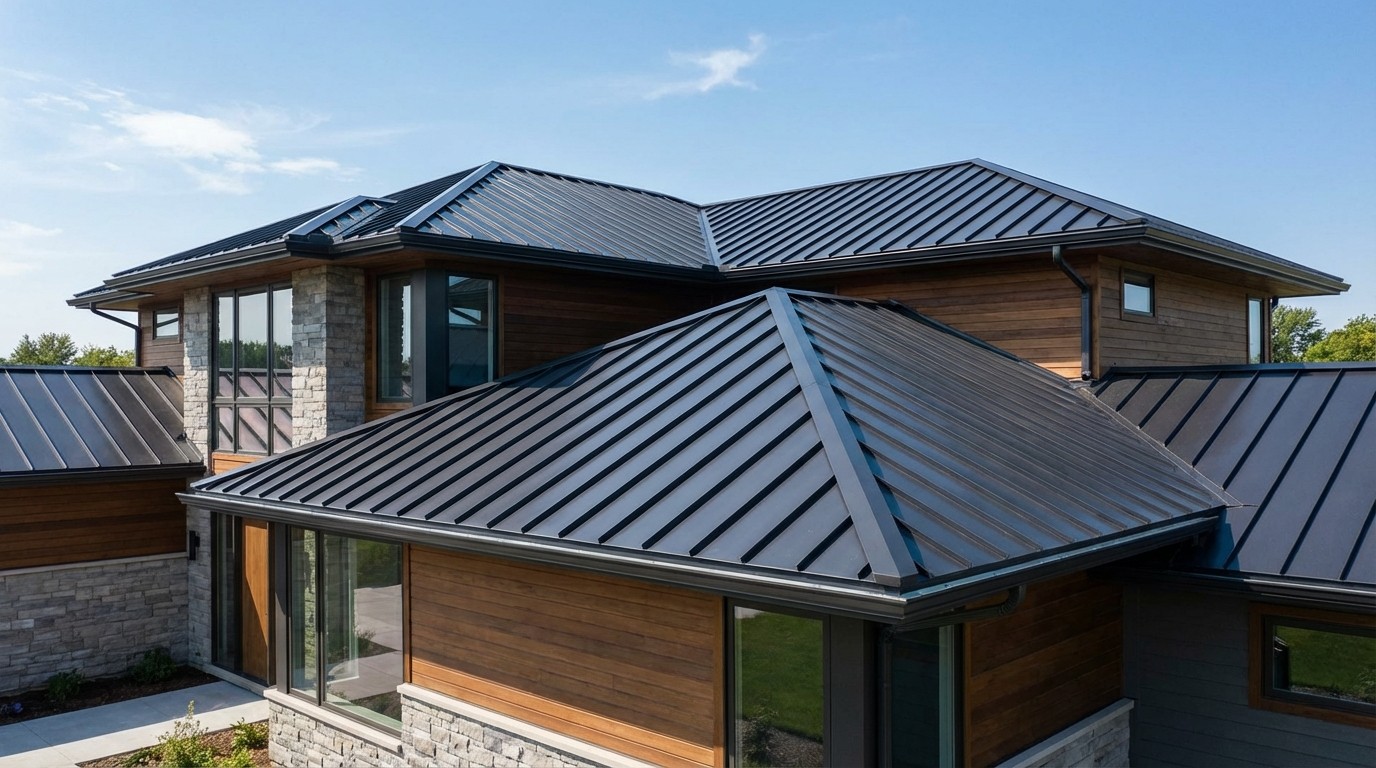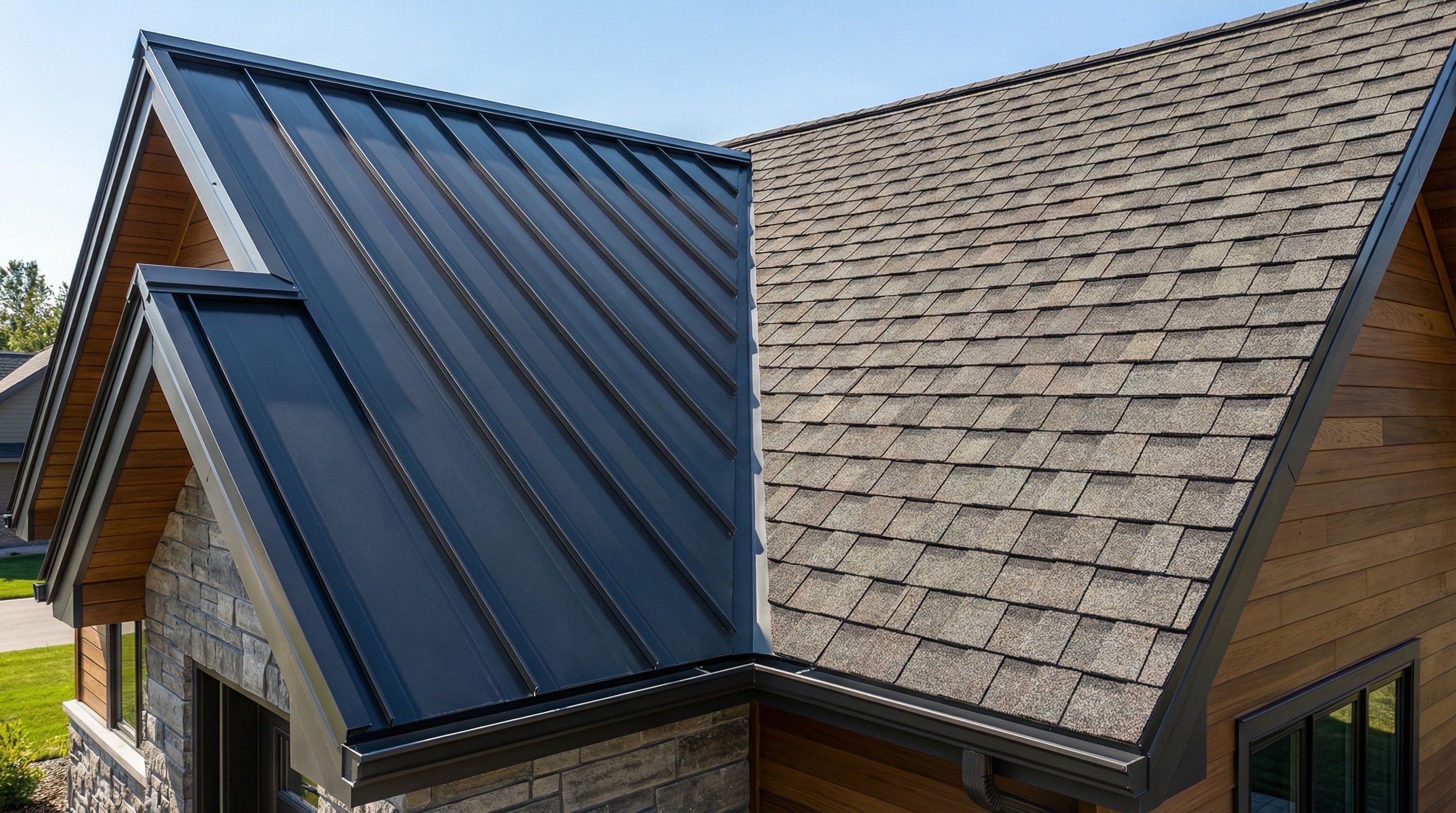
Metal roofs cost two to three times more than asphalt shingles upfront but last twice as long. The rest of the decision often depends on your style preference, budget, and local climate.
This guide breaks down real costs, pros and cons, and the main decision factors. Here's how it helps you decide:
We compare typical prices
We highlight each material's biggest advantages
We show what questions to ask before you buy
Metal Roof vs Shingles at a Glance
Metal roofs last 40 to 70 years, resist wind and hail well, and reflect heat to keep your home cooler. Asphalt shingles cost less upfront, last 20 to 30 years, and work well for most homes and budgets. The trade-off comes down to paying more now for metal's longevity or paying less now knowing you'll replace shingles sooner.
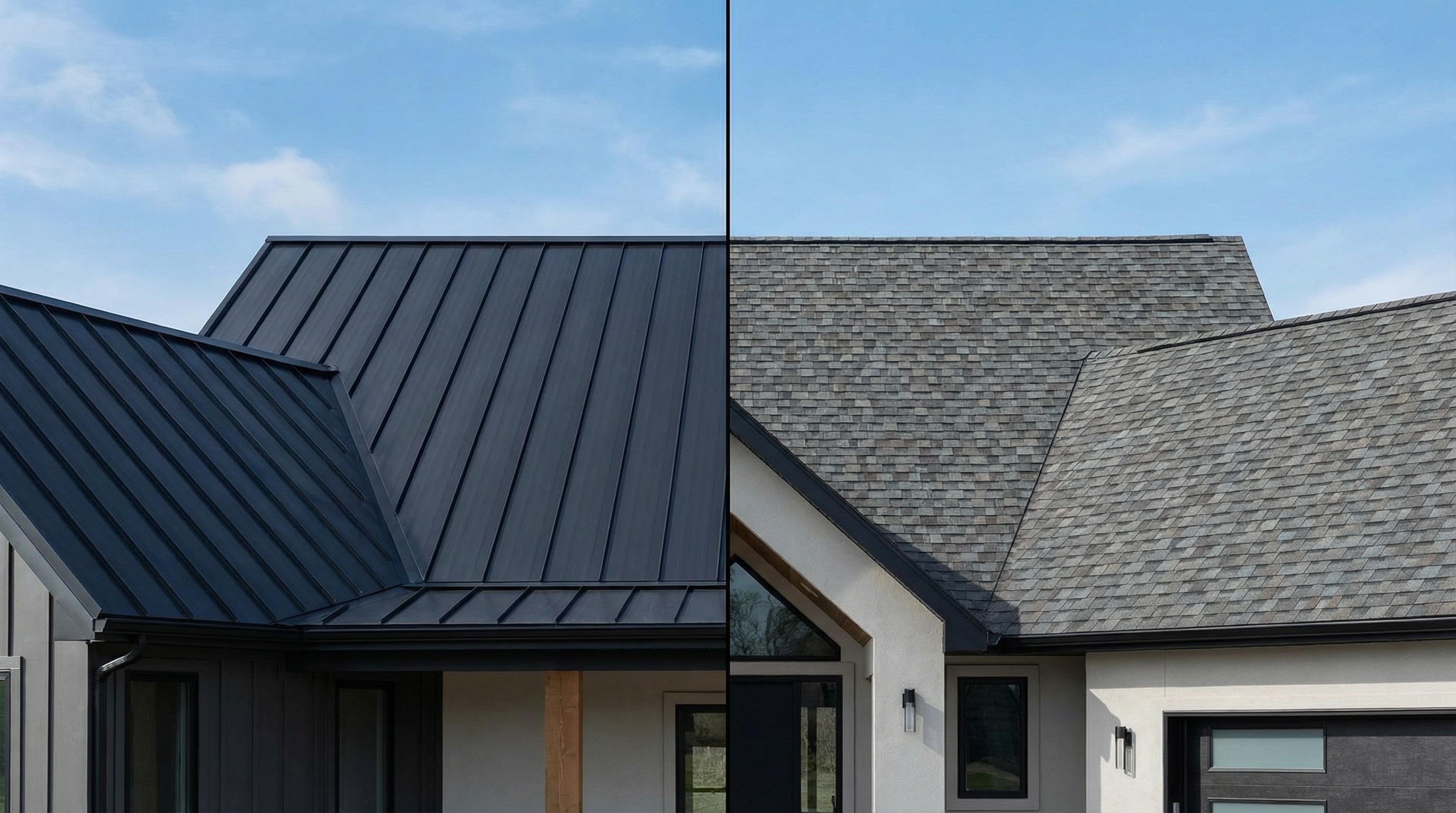
(NAHB Cost Survey)(Insurance Institute: Roof Longevity Data)
Factor | Metal Roof | Asphalt Shingles |
|---|---|---|
Typical Lifespan | 40-70+ years | 20-30 years |
Upfront Cost | $15,000-$80,000+ | $8,000-$15,000 |
Durability | Excellent | Good |
Energy Efficiency | High (reflects heat) | Moderate (absorbs heat) |
Maintenance | Low | Moderate |
Best For | Long-term homeowners | Budget-conscious buyers |
How Much Does a Metal Roof Cost Compared to Shingles
Cost is usually the first thing homeowners want to know. And it makes sense-the price gap between metal and shingles is big. Metal almost always costs two to three times more up front. Why is metal so much more expensive? Here’s where the difference comes from:
Metal materials cost more to make
They often weigh more
Installation takes longer and needs special training
Fewer contractors offer metal roofing, so there’s less competition
That’s why the extra investment can make sense for some people, but not everyone. It's all about your situation.
Metal Roof Material and Installation Costs
Metal roofing comes in several styles with different costs. Standing seam roofs cost around $10-$20 per square foot installed, while corrugated metal panels cost closer to $5-$10. More decorative styles can go higher, but these are typical ranges for most homes.
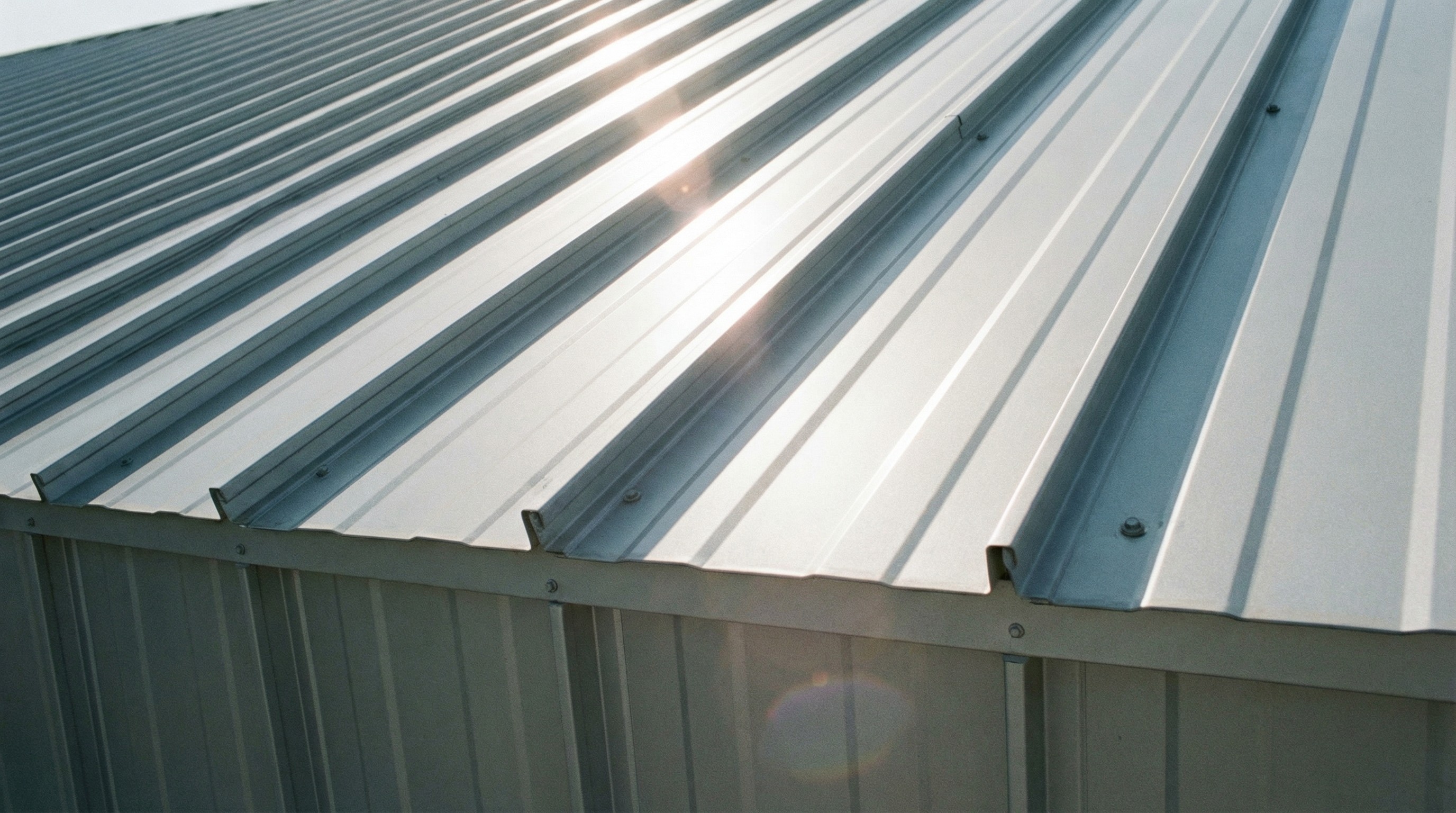
Installation adds to the cost because metal requires specialized training and tools. Since fewer contractors work with metal, you'll have fewer options and may pay more in some areas.
Asphalt Shingle Material and Installation Costs
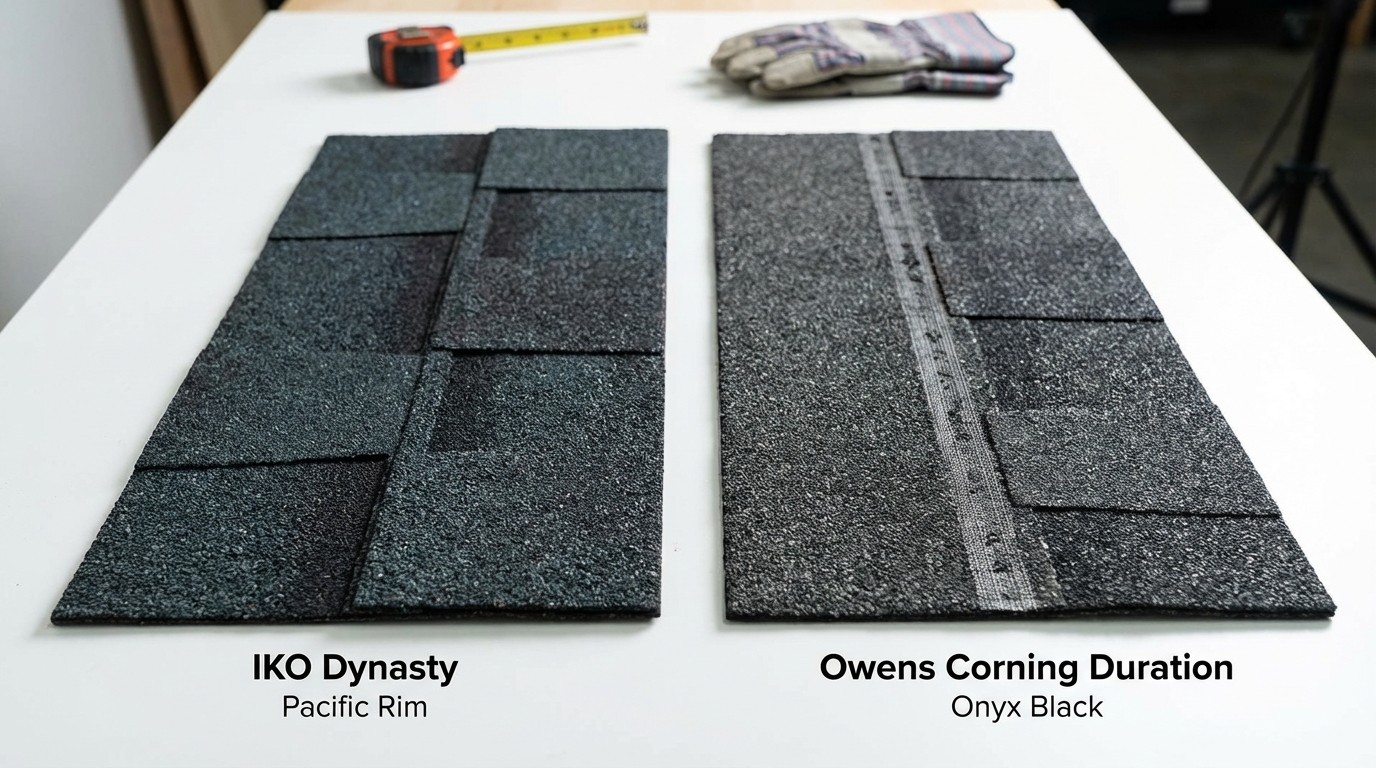
Asphalt shingles (sometimes called asphalt composition shingles) come in three main tiers. For the rest of this article, we'll use "asphalt shingles" for clarity:
Three-tab shingles: The most affordable option with a flat, uniform look
Architectural shingles: Thicker and more durable with a dimensional appearance
Premium shingles: The highest quality with distinctive styles and longer warranties
Most roofing contractors work with shingles regularly, so labor costs tend to be lower.
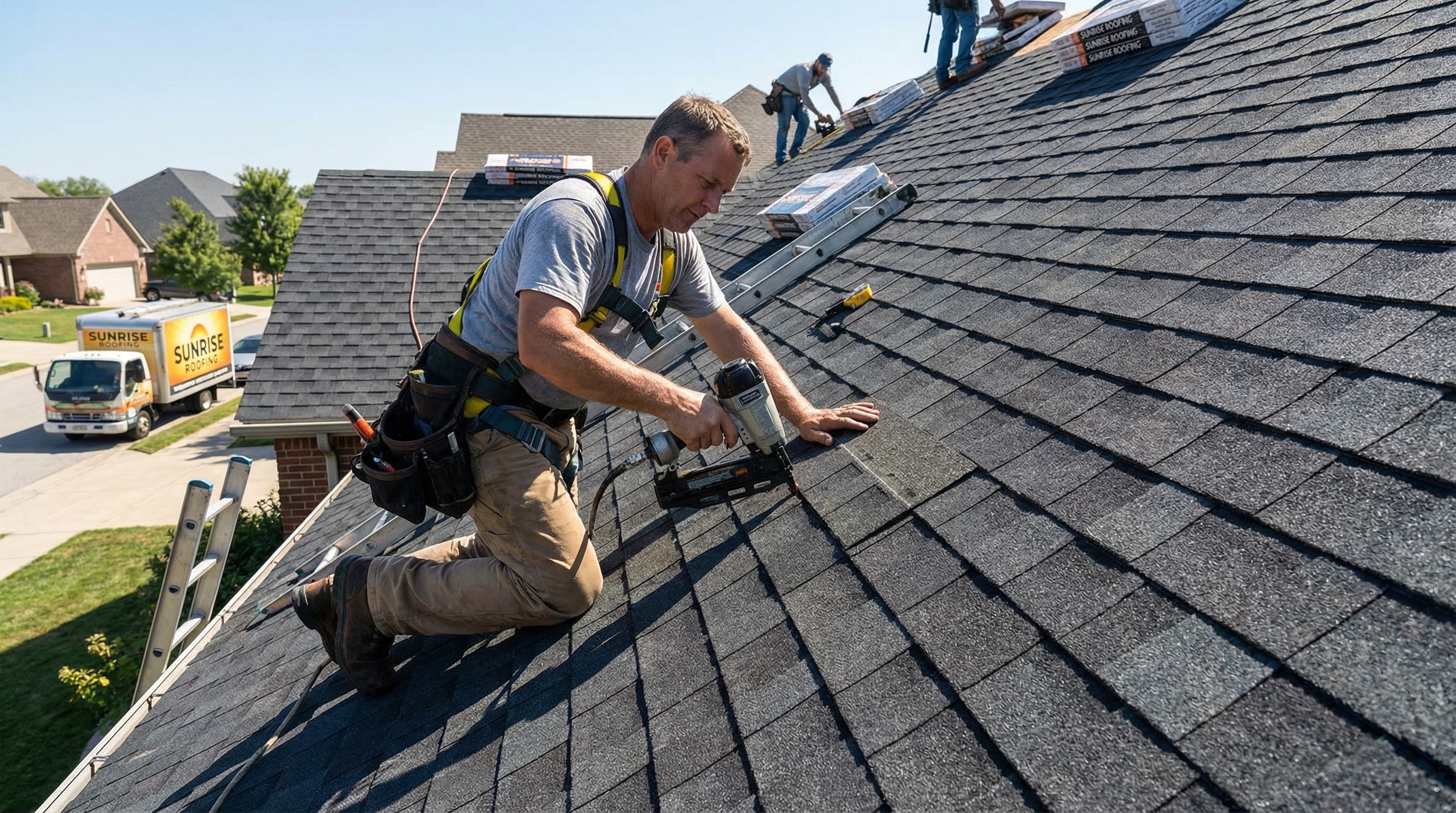
You'll also find it easier to get competitive quotes since more contractors are available.
Why Metal Roofs Cost More Upfront
The higher price of metal roofing comes from several factors working together. The materials weigh more and cost more to manufacture. Installation takes longer and requires contractors with specific expertise. Fewer roofers specialize in metal, which reduces competition. All of this adds up to a price that can be two to three times higher than a comparable shingle roof. For example, a shingle roof that costs $12,000 might cost $24,000 to $36,000 in metal.
Long-Term Value of Metal vs Shingles
The long-term cost comparison reveals an important consideration. A metal roof might cost $30,000 today, but it could last 50 years. A shingle roof might cost $12,000, but you'd likely replace it twice in that same timeframe, spending $24,000 total plus the hassle of two more roof projects.
That said, long-term value only matters if you plan to stay in your home for at least 15-20 years to benefit from metal's durability.
How to Compare Roofing Quotes the Right Way
Getting quotes is straightforward. Understanding what you're actually comparing takes a bit more work.
What a Good Roofing Quote Includes
A detailed quote breaks down exactly where your money goes. Look for line items covering:
Materials: Brand, type, and warranty information
Labor: Installation costs listed separately from materials
Tear-off: Cost to remove your existing roof if needed
Permits: Local requirements the contractor will handle
Cleanup: How debris removal is priced
When quotes are itemized this way, you can compare them accurately and ask informed questions about any differences.
Red Flags in Roofing Estimates
Watch for these red flags that suggest a contractor may not be trustworthy. Vague line items in the estimate, no written warranties, or requests for large cash payments up front can all signal potential problems.
Questions to Ask Before You Sign
Ask about their experience with your chosen material. Find out the realistic timeline and who handles permits. Clarify the payment schedule and what happens if problems come up during or after installation.
Tip: Comparing multiple quotes makes it easier to spot outliers and understand fair pricing in your area. Get your free quotes to see real prices from vetted local contractors.
Pros and Cons of Metal Roofing
Advantages of Metal Roofs
Metal roofs handle severe weather better than most alternatives. They resist wind, fire, and hail damage effectively. They also reflect solar heat rather than absorbing it, which can lower cooling costs during summer months.
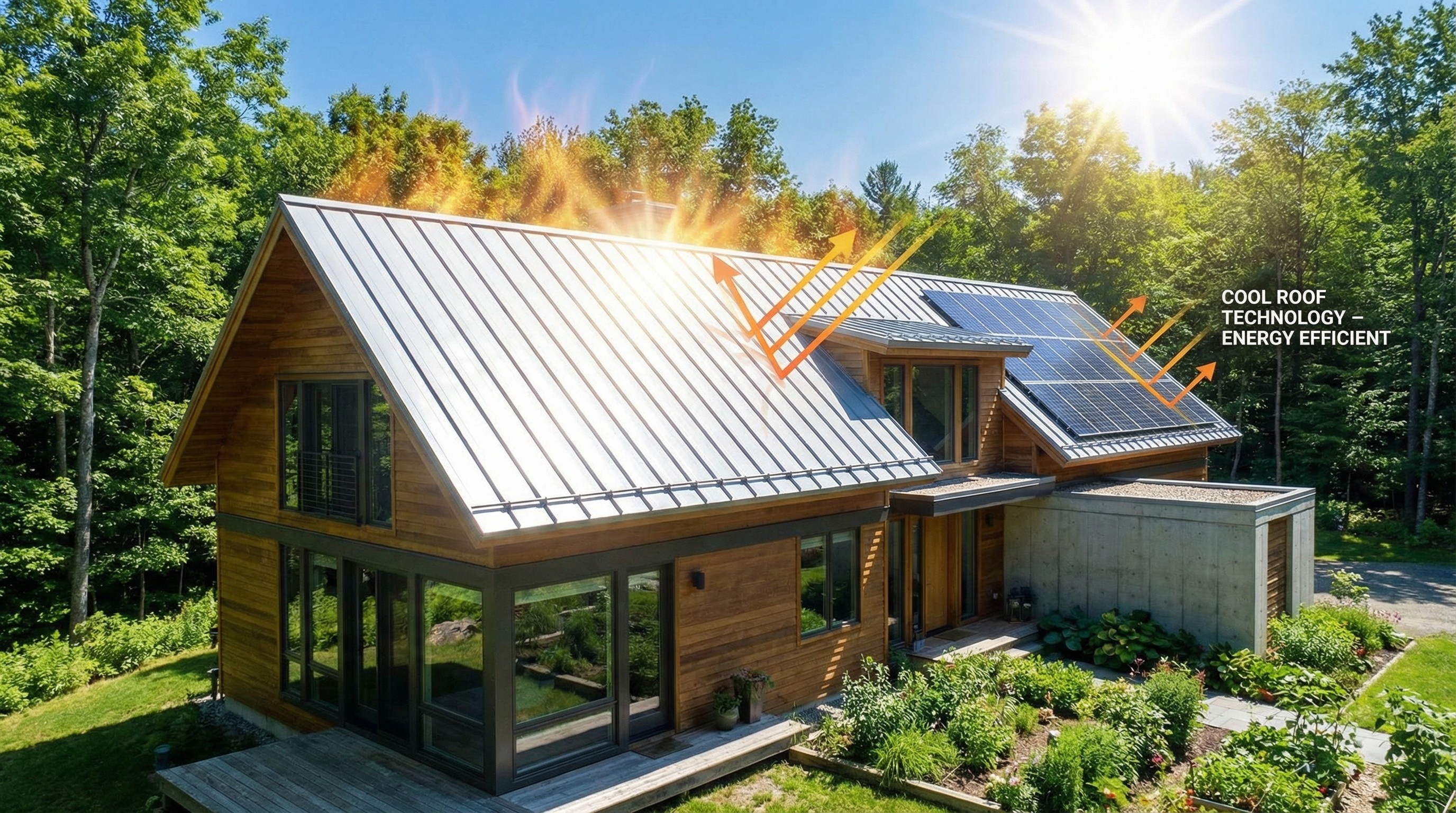
Maintenance is minimal compared to shingles. You won't deal with cracked or missing pieces after every storm. And when a metal roof eventually reaches the end of its life, the material is fully recyclable.
Disadvantages of Metal Roofs
The upfront cost is the biggest barrier for most homeowners. Beyond price, metal can be noisier during heavy rain or hail, though proper insulation reduces this significantly. Some metals can dent from large hail or falling branches.
Finding qualified contractors can also be challenging. Metal installation requires specific skills, and not every roofer has them. Poor installation leads to problems regardless of how good the material is.
Pros and Cons of Asphalt Shingles
Asphalt shingles remain the most popular roofing choice in North America. They've earned that position for practical reasons, though they do have limitations.
Advantages of Asphalt Shingles
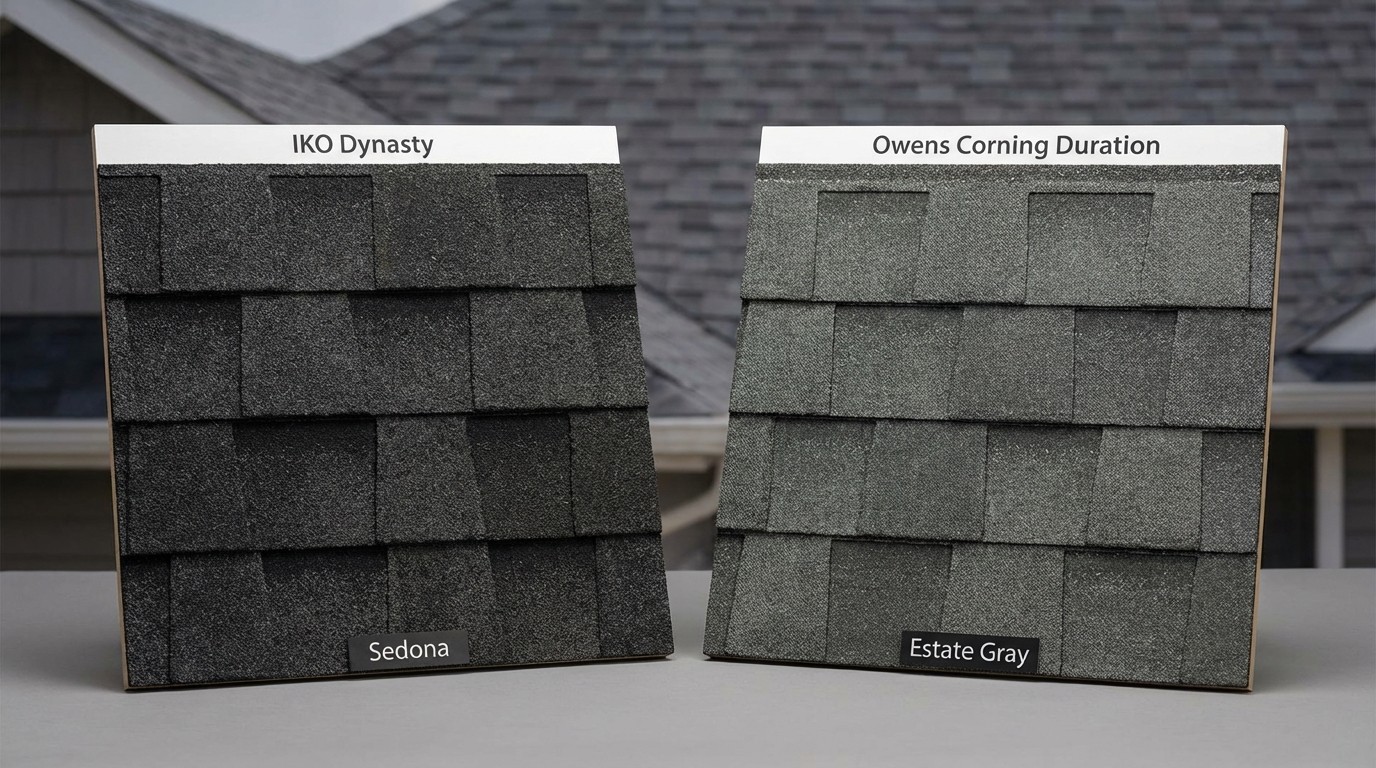
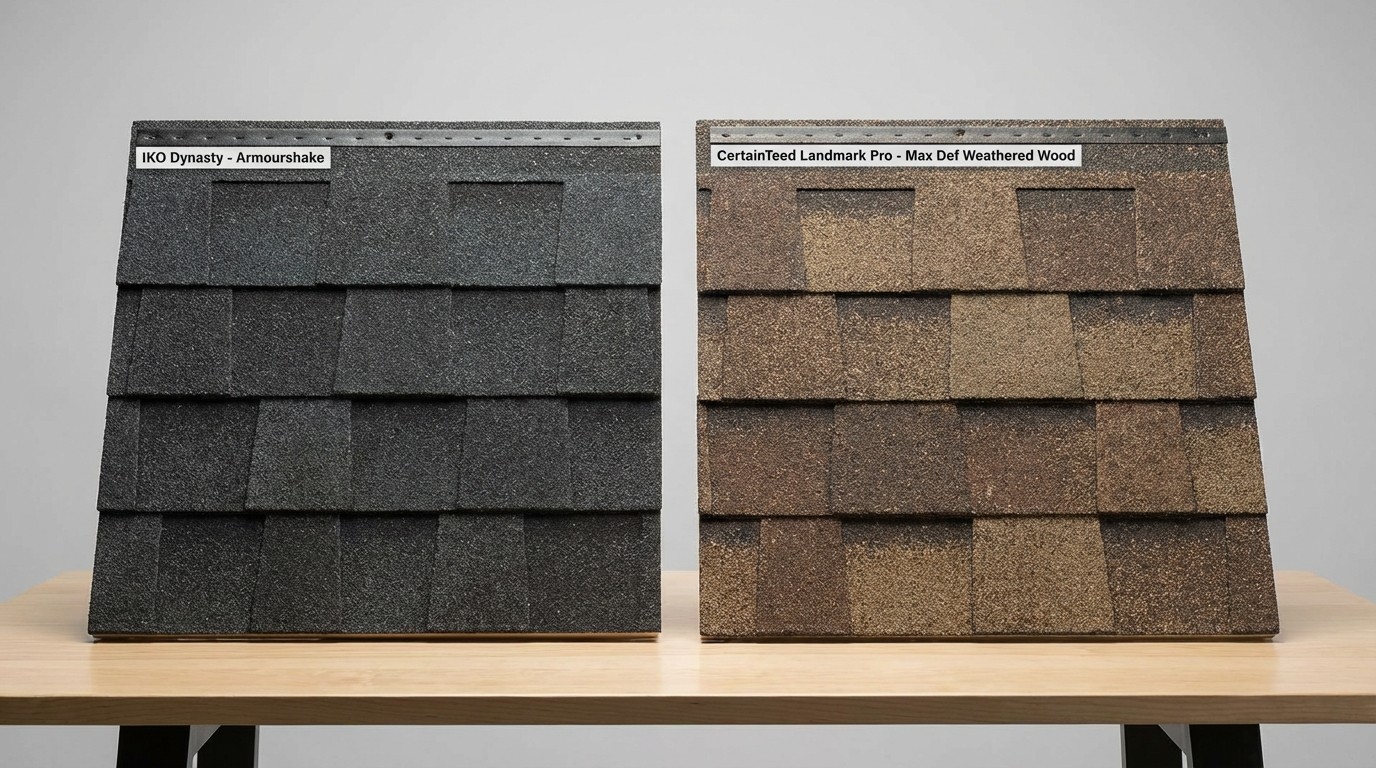
Shingles are the most budget-friendly option for a full roof replacement. They come in a wide variety of colors and styles, making it easy to match your home's look. When damage occurs, individual shingles can be replaced without redoing the entire roof.
Because most contractors work with shingles regularly, you'll have more options when getting quotes. More competition typically means better pricing.
Disadvantages of Asphalt Shingles
Shingles don't last as long as metal, so you'll face another roof replacement sooner. They're more vulnerable to wind damage, cracking, and erosion over time. Shingles also absorb heat rather than reflecting it, which can increase cooling costs in hot climates.
After storms, you may find yourself dealing with repairs more often than you would with a metal roof.
What to Consider Before Choosing a Metal or Shingle Roof
The choice between metal and asphalt shingles ultimately depends on your home's unique conditions, like local weather, your budget, and how long you plan to stay. Focus on factors that matter most to you, such as cost, longevity, and maintenance.
Your Budget and Financing Options
If upfront cost is your primary concern, shingles make the decision easier. However, some homeowners finance a metal roof to spread out the higher cost while gaining long-term benefits. Consider both your current budget and your comfort with financing.
How Long You Plan to Stay in Your Home
This factor often tips the scales. If you're planning to sell within five to ten years, shingles typically make more financial sense since you won't be around to benefit from metal's longevity. If you're staying for decades, metal becomes more attractive.
Your Climate and Local Weather Risks
In areas with frequent storms, hail, or high winds, metal's durability offers real advantages. That said, impact-rated shingles also perform well in severe weather. Think about what weather events are most common where you live.
Your Roof Design and Slope
Some roof shapes work better with certain materials. Complex rooflines with multiple angles and valleys increase installation costs for both options, though metal on intricate designs tends to cost more.
HOA Rules and Building Codes
Some homeowners associations restrict metal roofing or require specific styles. Local building codes may also have requirements. Check early so you don't fall in love with an option that isn't allowed.
Contractor Availability and Experience
Even the best material will fail if installed poorly. Finding an experienced contractor for your chosen material matters as much as the material itself. In some areas, finding qualified metal roofers can be challenging.
When a Metal Roof Is the Better Choice
Metal roofing makes the most sense for homeowners who plan to stay long-term, live in areas with harsh weather, prioritize energy efficiency, or want to minimize maintenance. If you can afford the higher upfront investment and value durability over initial savings, metal is worth serious consideration.
When Asphalt Shingles Are the Smarter Option
Shingles often make more sense for budget-conscious homeowners, those planning to sell within several years, homes with complex rooflines, and areas with many qualified contractors offering competitive pricing. If you want a reliable roof without a major upfront investment, shingles deliver solid value.
How to Save Money on Your New Roof
Regardless of which material you choose, a few approaches can help you get better value.
Get Multiple Quotes and Compare Line by Line
Gathering three to five quotes helps you understand what's fair in your market. When you compare line by line, you can see exactly where prices differ and ask informed questions. Get your free quotes to compare vetted local contractors.
Time Your Project for Off-Season Savings
Late fall and winter often bring lower demand for roofing work. If your roof isn't an emergency, scheduling during slower months may get you better pricing and more flexible scheduling.
Check for Insurance Discounts
Some insurance companies offer premium discounts for impact-resistant roofing materials. Before you decide, ask your insurer what discounts might apply. The savings could help offset some of your upfront costs.
Is a Metal Roof or Shingles Right for Your Home
The best choice comes down to factors like budget, climate, and visual preference. Think about how long you plan to stay in your home and how important maintenance, appearance, and long-term cost savings are to you.
Once you've considered these factors, seeing actual quotes for your specific home will help you make an informed decision with real numbers rather than estimates. Get your free quotes to compare vetted local contractors and understand exactly what each option would cost.