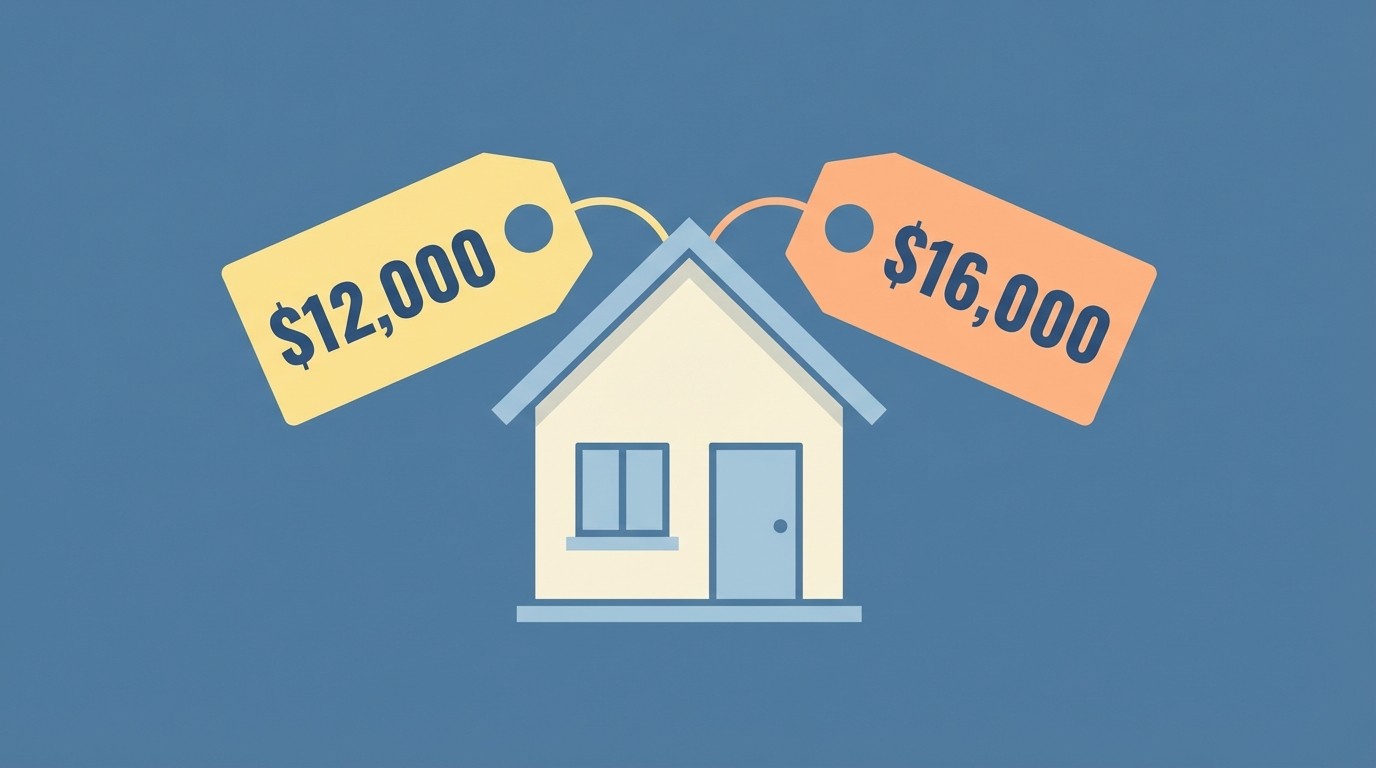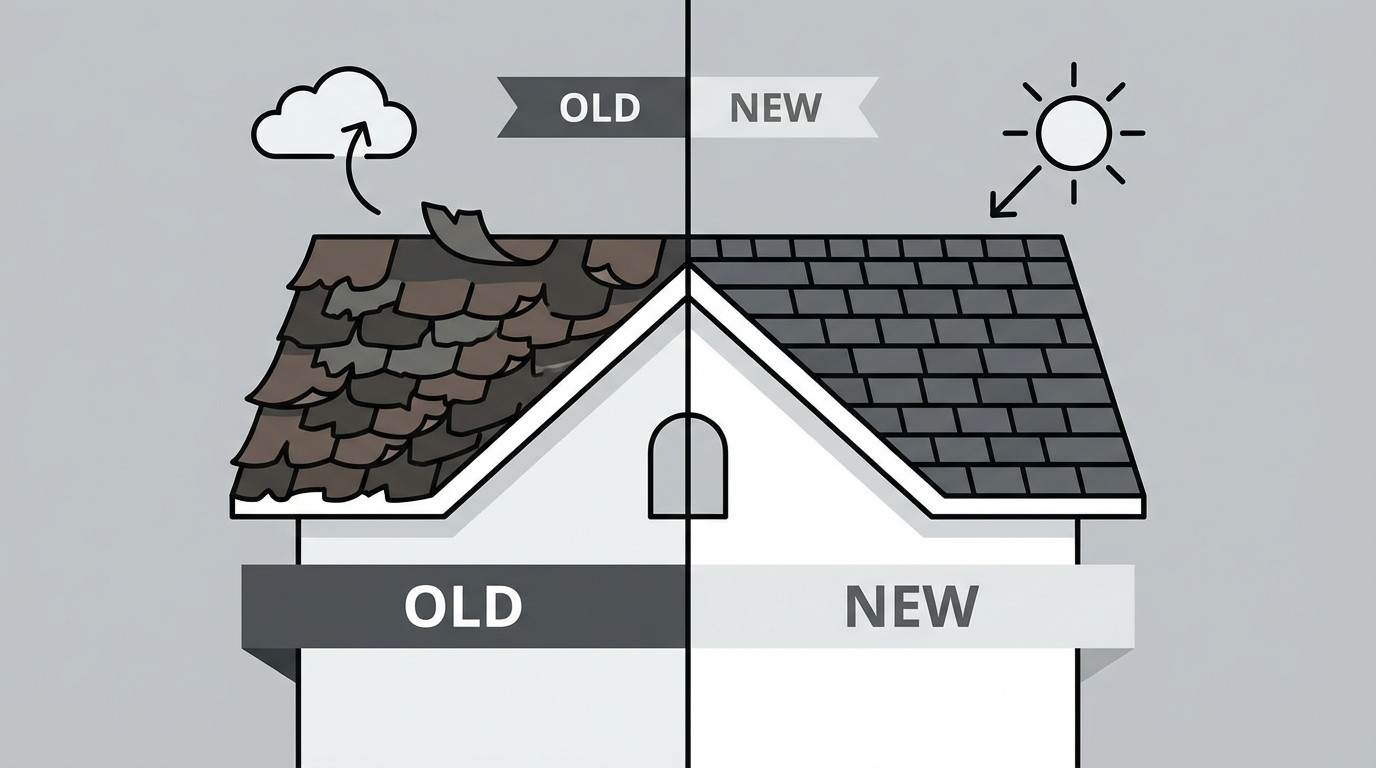
A first roof replacement typically takes one to three days for an average home, costs between $8,000 and $20,000 depending on size and materials, and involves removing your old roof down to the decking before installing new materials. If you've never been through this process before, it can feel overwhelming. Crews show up, tear your house apart, and somehow put it back together better than before.
Knowing what to expect at each stage makes the whole experience less stressful. This isn't brain surgery, but a little preparation goes a long way.
Signs Your Roof Actually Needs Replacement
Before spending thousands on a new roof, make sure you actually need one. Some problems call for repairs rather than full replacement.
Signs pointing toward replacement include:
Age. Most asphalt shingle roofs last 20 to 30 years. If yours is approaching that range and showing wear, replacement is likely coming regardless of current condition.
Widespread damage. A few missing shingles after a storm is a repair. Missing shingles across multiple areas, curling throughout the roof, or granule loss everywhere suggests the whole system is failing.
Sagging. If your roof deck is sagging between rafters, you've got structural issues that patching won't fix.
Multiple leaks. One leak might be fixable. Leaks appearing in different areas over time indicate broader problems.
Previous repairs stacking up. If you've already patched this roof several times and problems keep emerging, continued repairs become throwing good money after bad.
The International Association of Certified Home Inspectors notes that roofs nearing the end of their expected lifespan often show multiple warning signs simultaneously. One symptom might mean repair. Several together usually mean replacement.
Getting Quotes and Choosing a Contractor
Don't hire the first roofer who knocks on your door or shows up in a Google search. Get multiple quotes so you understand what the market looks like.
Three to five quotes gives you enough comparison points without becoming a full-time job. Request quotes from a mix of company sizes and types. The cheapest isn't automatically best, and neither is the most expensive.
When evaluating contractors, check their licensing and insurance. Ask how long they've been in business. Read reviews, but read them critically. A few complaints among hundreds of happy customers means something different than a few complaints from a company with ten total reviews.
For homeowners in the Chattanooga area, working with local contractors who know regional weather patterns and common roofing issues gives you an advantage over national companies unfamiliar with local conditions.
Using a roofing calculator before collecting quotes helps you know what ballpark to expect so outlier pricing stands out immediately.
Understanding Your Quote
Your first roof quote might look like a foreign language. Breaking down what each section means helps you compare options intelligently.
Roof size in squares. One square equals 100 square feet. A typical home might be 20 to 35 squares. More squares means more materials and labor, so bigger roofs cost more.
Materials specified. You want specific brands and product lines, not vague descriptions. "GAF Timberline HDZ" tells you exactly what's going on your roof. "Architectural shingles" could mean almost anything.
Tear-off and disposal. Removing your old roof and hauling it away is real work that costs real money. This should be itemized or clearly included.
Decking repair policy. Contractors can't see every damaged board until the old roof comes off. Good quotes specify how they handle surprises, either including repairs up to a limit or pricing them separately.
Warranty information. Material warranties come from manufacturers. Workmanship warranties come from contractors. Both matter.
Our guide on what to look for in a roof quote covers this in more detail if you want to dig deeper.
Before the Project Starts
Once you've signed a contract, some preparation helps everything go smoothly.
Clear the perimeter. Move patio furniture, grills, potted plants, and anything else near your house. Debris will fall, and you don't want your stuff underneath it.
Protect your attic. Vibrations from roofing work shake dust and debris loose inside. Cover stored items in your attic with tarps or plastic sheeting.
Move vehicles. Park away from the house. Nails and debris can damage cars parked too close.
Warn your neighbors. A roofing crew makes noise. Lots of noise. Letting neighbors know ahead of time is just courtesy.
Arrange for pets. Dogs bark at strangers. Cats hide from loud noises. Some pets freak out entirely when people are banging on the roof all day. Consider arrangements to keep them comfortable and out of the way.
Know the access plan. Where will the dumpster go? Where will materials be staged? Confirm these details so you're not surprised when a truck drops a pallet of shingles on your lawn.
Day of Installation: What Happens
Roofing day is loud, messy, and fast. Here's what you'll see.
Setup (early morning). Crews arrive early, often by 7 AM. They'll position the dumpster, stage materials, and set up safety equipment. If you work from home, noise starts now.
Tear-off. Workers strip the old roof down to the decking. This is the loudest, messiest part. Shingles, nails, and debris rain into the dumpster (and inevitably onto your yard despite their best efforts).
Inspection and repair. With the old roof off, crews inspect the decking. Damaged boards get replaced. This is when hidden problems reveal themselves. If extensive damage appears, the contractor should notify you before proceeding with additional work.
Underlayment installation. A protective layer goes down before shingles. This might be synthetic underlayment, ice and water shield in vulnerable areas, or both.
Shingle installation. Starting from the bottom and working up, new shingles go on in overlapping rows. This takes the longest but makes the least noise.
Finishing work. Ridge caps, flashing, vent boots, and other details complete the job. These elements matter for long-term performance even though they're less visible than the main shingle field.
Cleanup. A good crew leaves your property cleaner than some homeowners expect. They'll use magnetic rollers to find stray nails in your yard and haul away all debris.
After Installation: Inspection and Cleanup
When crews pack up and leave, your job isn't quite done.
Walk around your property and look for debris they might have missed. Check gutters, flower beds, and lawn areas near the house. Finding a few stray nails is normal. Finding piles of debris suggests cleanup was rushed.
Look at the new roof from ground level. Shingles should be even and aligned. Flashing should be sealed and properly integrated. Nothing should look crooked, patchy, or obviously wrong.
If your area requires permits, make sure the final inspection gets scheduled and passed. The contractor typically handles this, but confirm it happens.
Request all warranty documentation. You want manufacturer warranty registration and written workmanship warranty terms from your contractor. File these somewhere you won't lose them.
Understanding Your Warranty
Two types of warranties protect your new roof, and they cover different things.
Manufacturer warranties cover defects in the roofing materials themselves. If shingles crack prematurely or fail to perform as specified, the manufacturer may cover replacement materials. These warranties range from 25 years to lifetime depending on the product.
Workmanship warranties cover installation errors. If shingles blow off because they weren't nailed correctly, or leaks develop because flashing was installed wrong, the workmanship warranty should have you covered. These come from your contractor and vary widely, from one year to lifetime.
Read the fine print on both. Manufacturer warranties often prorate coverage over time. Workmanship warranties might have exclusions or conditions. Know what you actually have.
Common First-Timer Mistakes
Choosing on price alone. The cheapest quote isn't always the best value. Cutting corners on materials or using inexperienced crews creates problems that cost more to fix later.
Not getting enough quotes. One quote tells you nothing about the market. Even two isn't great. Three minimum, five if you have time.
Ignoring references and reviews. A contractor's past work predicts their future work. Skip this step and you're gambling.
Forgetting about ventilation. Proper attic ventilation extends roof life and reduces energy costs. If your contractor doesn't mention ventilation, ask about it.
Skipping the written contract. Verbal agreements mean nothing when problems arise. Get everything in writing before work starts.