Roof quotes vary because contractors have different material suppliers, labor costs, overhead expenses, and profit margins. Two roofers can look at the exact same roof and come back with estimates thousands of dollars apart, and neither one is necessarily wrong or trying to rip you off. They're just running different businesses with different cost structures.
Understanding why this variation exists helps you evaluate quotes intelligently rather than just picking the cheapest number or assuming the most expensive one must be best.
Material Quality Differences
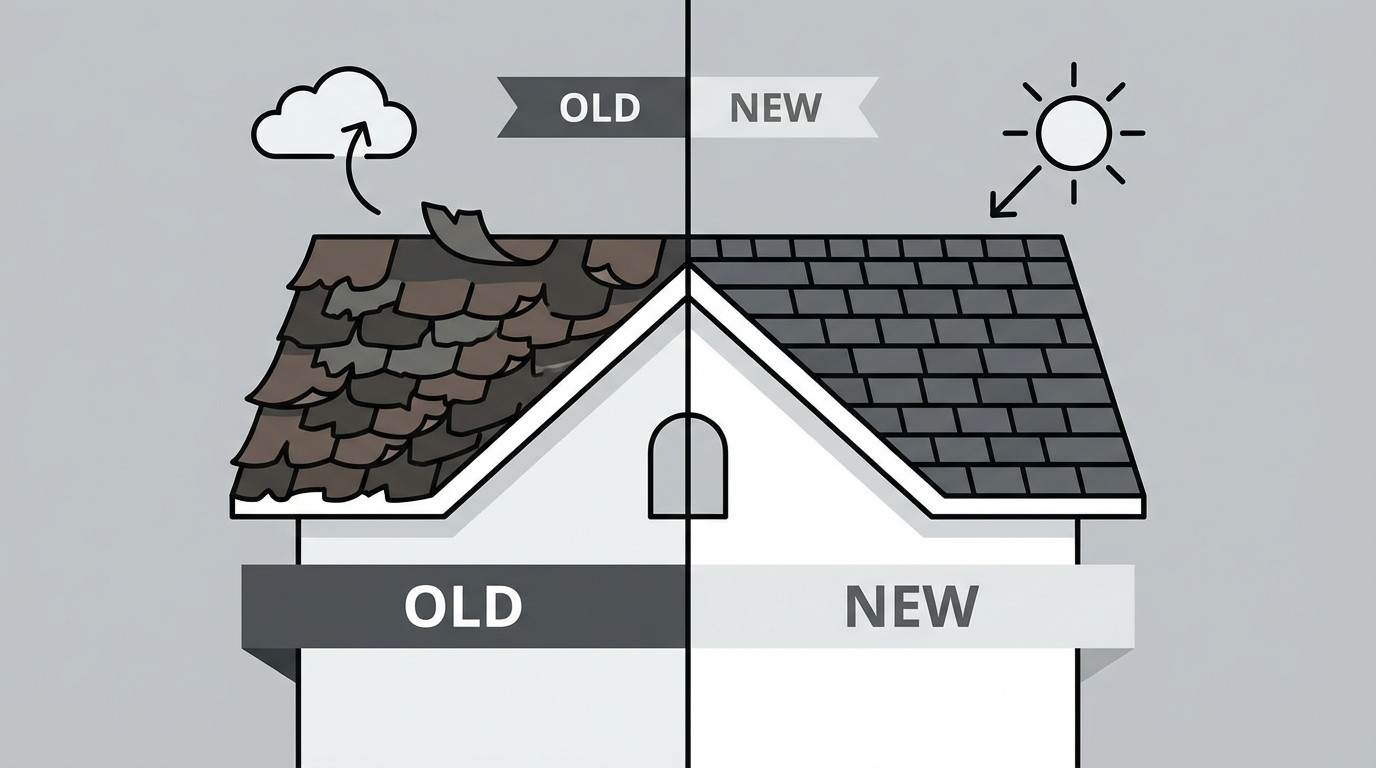
This is the big one. The phrase "new roof" can mean wildly different things depending on what materials go on it.
Take asphalt shingles. A basic three-tab shingle might cost $80 to $100 per square for materials. A premium architectural shingle with a 50-year warranty could run $150 to $200 per square. For a typical 20-square roof, that difference alone accounts for $1,400 to $2,000 in material costs before anyone's done any work.
And shingles are just the visible layer. Underlayment varies from cheap felt to synthetic products that cost three times as much but last longer and protect better. Flashing can be basic aluminum or premium copper. Ventilation components range from simple box vents to powered attic fans.
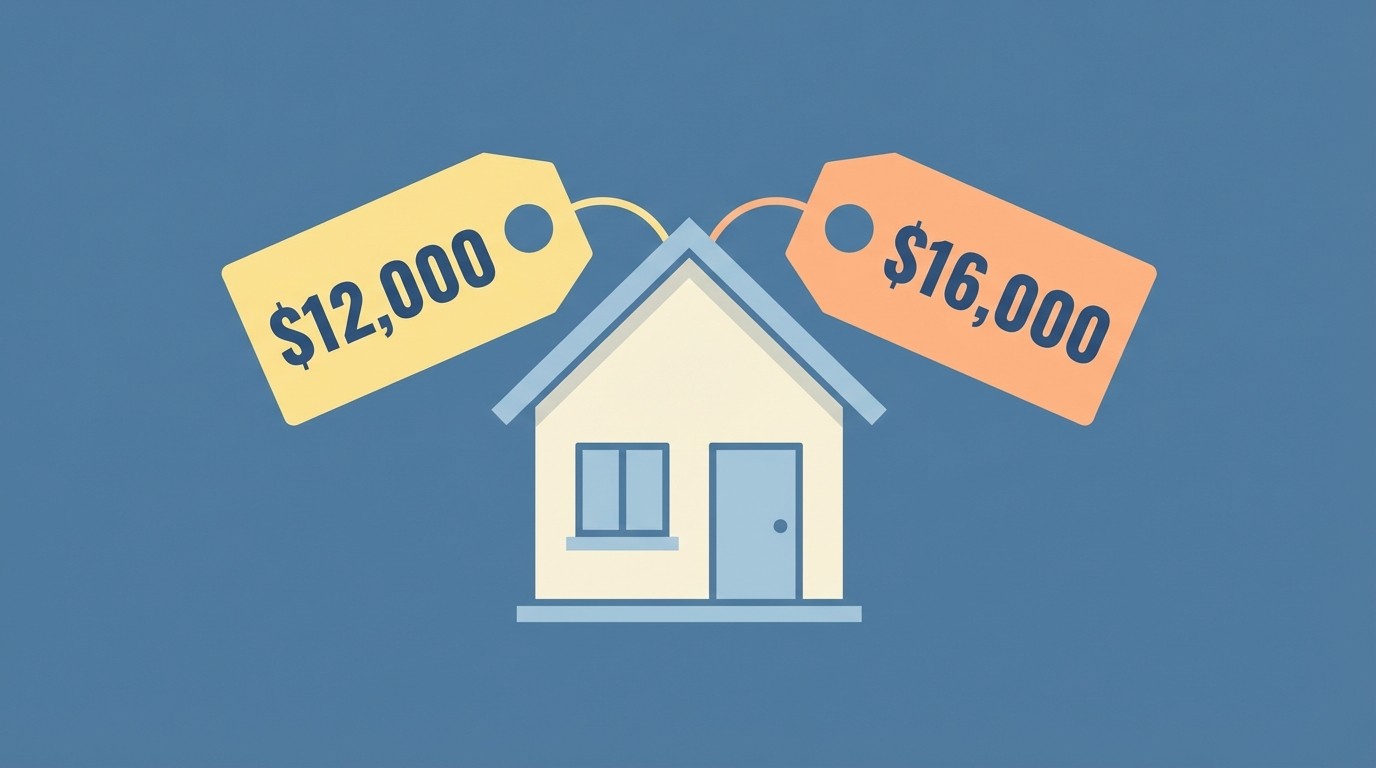
When one quote comes in at $12,000 and another at $16,000, the first question to ask is what materials each includes. You might be comparing a Corolla to a Lexus without realizing it.
According to Consumer Reports, material quality is one of the biggest factors in long-term roof performance, so the cheapest materials aren't always the best value over time.
Labor Cost Factors
Roofing is labor-intensive work. Crews have to tear off old materials, haul debris, install new products correctly, and clean up afterward. Labor typically accounts for 40% to 60% of a roofing quote.
Labor costs vary based on several factors:
Crew experience. Seasoned roofers who've done thousands of jobs command higher wages than guys who started last month. You might prefer paying more for experience.
Crew size. A larger crew finishes faster but costs more per day. A smaller crew takes longer but might have lower daily labor costs. Different contractors make different trade-offs here.
Local wage rates. What roofers earn varies significantly by region. A contractor in a high cost-of-living area pays more for labor than one in a rural market.
Employment model. Some contractors use W-2 employees with benefits. Others use subcontractors or day laborers. The employment model affects what labor actually costs the business.
None of this is visible on the quote itself, but it shapes what contractors need to charge to stay profitable.
Overhead and Business Model
Every roofing company has expenses beyond the job site. Office rent, trucks, insurance, advertising, staff salaries, equipment maintenance. These overhead costs get built into every quote.
A one-truck operation run out of someone's garage has minimal overhead. A larger company with a showroom, office staff, and a fleet of vehicles has significant fixed costs. Both can do quality work, but their pricing structures differ.
Insurance costs alone create meaningful variation. A contractor carrying $2 million in liability coverage and proper workers' compensation pays more for insurance than one carrying minimum coverage or cutting corners on worker protection.
Marketing matters too. The contractor who spends heavily on advertising needs to recoup those costs somewhere. The one who relies on word-of-mouth can often price lower because their customer acquisition costs less.
Scope of Work Variations
Sometimes quotes differ because contractors aren't actually proposing the same work.
One contractor might recommend full tear-off while another suggests roofing over the existing layer. The overlay is cheaper, but it's not always the right choice. Building codes in some areas prohibit more than two layers. And problems with the underlying roof don't get addressed if you just cover them up.
Decking policies create variation too. One quote might include replacement of damaged decking up to 100 square feet. Another might charge extra for every sheet of plywood. If your decking needs work, this difference matters a lot.
Flashing approaches differ. Replacing all flashing costs more than reusing existing flashing where it looks okay. New flashing is generally better practice, but it adds cost.
These scope differences make direct price comparison misleading. A $14,000 quote that includes things a $12,000 quote excludes might actually be the better deal.
The Measurement Problem
Roofing is priced by the square, and not every contractor measures the same way.
Most use similar methods, whether climbing on the roof with a tape measure or pulling satellite measurements from services like EagleView. But rounding decisions, waste factor calculations, and how they handle complex roof features can produce different numbers.
A 10% difference in measured squares means a 10% difference in material and labor calculations. On a $15,000 job, that's $1,500 just from measurement variation.
This is why understanding what a square means in roofing helps you ask better questions when quotes don't match up.
Contractor Workload and Timing
Here's something most homeowners don't consider: how busy a contractor is affects what they quote.
A roofing company booked solid for the next three months doesn't need your job. They might quote high because if they win the work, they want the premium to justify shuffling their schedule. If they lose it, no big deal.
A contractor with an opening next week might sharpen their pencil to fill that slot. Their crews get paid whether they're working or not, so a lower-margin job beats no job.
Seasonal timing matters too. Spring and fall are peak roofing seasons in most regions. Contractors can be pickier about jobs when demand is high. Winter work, where weather allows it, might come in cheaper because fewer people want it done then.
How to Compare Unequal Quotes
When quotes don't match up, you need to dig in rather than just comparing bottom lines.
Start by creating a checklist of key elements:
What materials are specified? Get exact brands and product lines, not generic descriptions.
What's included in tear-off? One layer or multiple?
How is decking repair handled? Included up to a limit? Charged separately?
What about flashing, drip edge, ventilation? Replaced or reused?
What warranties are offered? Manufacturer and workmanship.
Line these up across your quotes. Often the price differences start making sense once you see what's actually included in each.
Using a roofing calculator helps establish a baseline so you know if all your quotes are in the normal range or if some are outliers that need explanation.
Getting Apples-to-Apples Comparisons
If you want quotes that are actually comparable, you need to specify what you want.
Tell each contractor you want a quote for full tear-off with architectural shingles, synthetic underlayment, new flashing throughout, and a 10-year workmanship warranty. Now they're all bidding on the same job.
This doesn't mean you can't consider alternatives. If a contractor suggests an approach you hadn't considered, that's valuable input. But having a baseline specification lets you compare like with like.
For homeowners in the Chattanooga area and surrounding communities like Ringgold, working with local contractors who know regional conditions helps ensure quotes reflect realistic expectations for your specific situation.
When you get multiple roof quotes, having them all respond to the same scope makes evaluation much easier.