A free roof estimate is an assessment from a roofing contractor that tells you what your project will cost without any obligation to hire them. Most reputable roofers offer free estimates as standard practice. You shouldn't have to pay just to find out what a roof repair or replacement would run you.
That said, not all free estimates are created equal. Some are thorough and informative. Others are rushed sales pitches designed to get you to sign something. Knowing what to expect helps you get useful information while avoiding pressure tactics.
What's Included in a Free Roof Estimate
A proper free estimate should give you enough information to make an informed decision. At minimum, expect to receive:
A price for the work. This seems obvious, but some contractors give vague ranges rather than actual numbers. You want a specific figure, ideally in writing.
Scope of work. What exactly does that price cover? Full tear-off or overlay? New flashing or reusing existing? The estimate should spell out what's included so you know what you're comparing when you get other quotes.
Material specifications. Which shingles? What brand? What product line? Vague terms like "architectural shingles" don't tell you enough. You want specifics you can verify.
Timeline. When could they start? How long will the job take? This might be approximate, but you should have a general idea.
A contractor who shows up, glances at your roof, and throws out a number isn't giving you a real estimate. They're guessing. That guess might be accurate, but you have no way to evaluate it without details.
How Free Roof Estimates Work
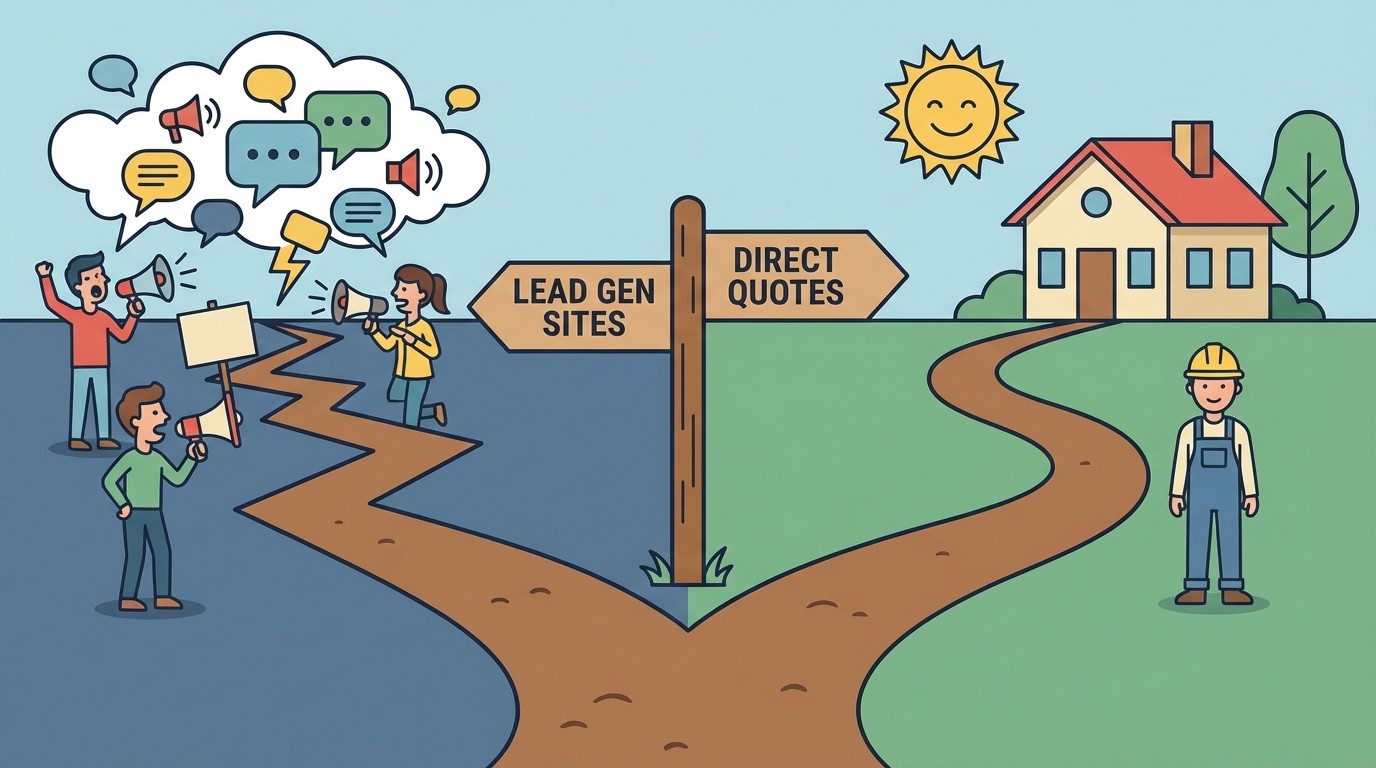
The process typically starts when you contact a roofing contractor and request an estimate. You can call, email, or fill out an online form. Some services let you request estimates from multiple contractors at once rather than reaching out individually.
The contractor will schedule a time to look at your roof. Some do this in person, climbing up to inspect the surface and check for damage. Others use satellite imagery and aerial measurements to assess your roof remotely, at least for the initial estimate.
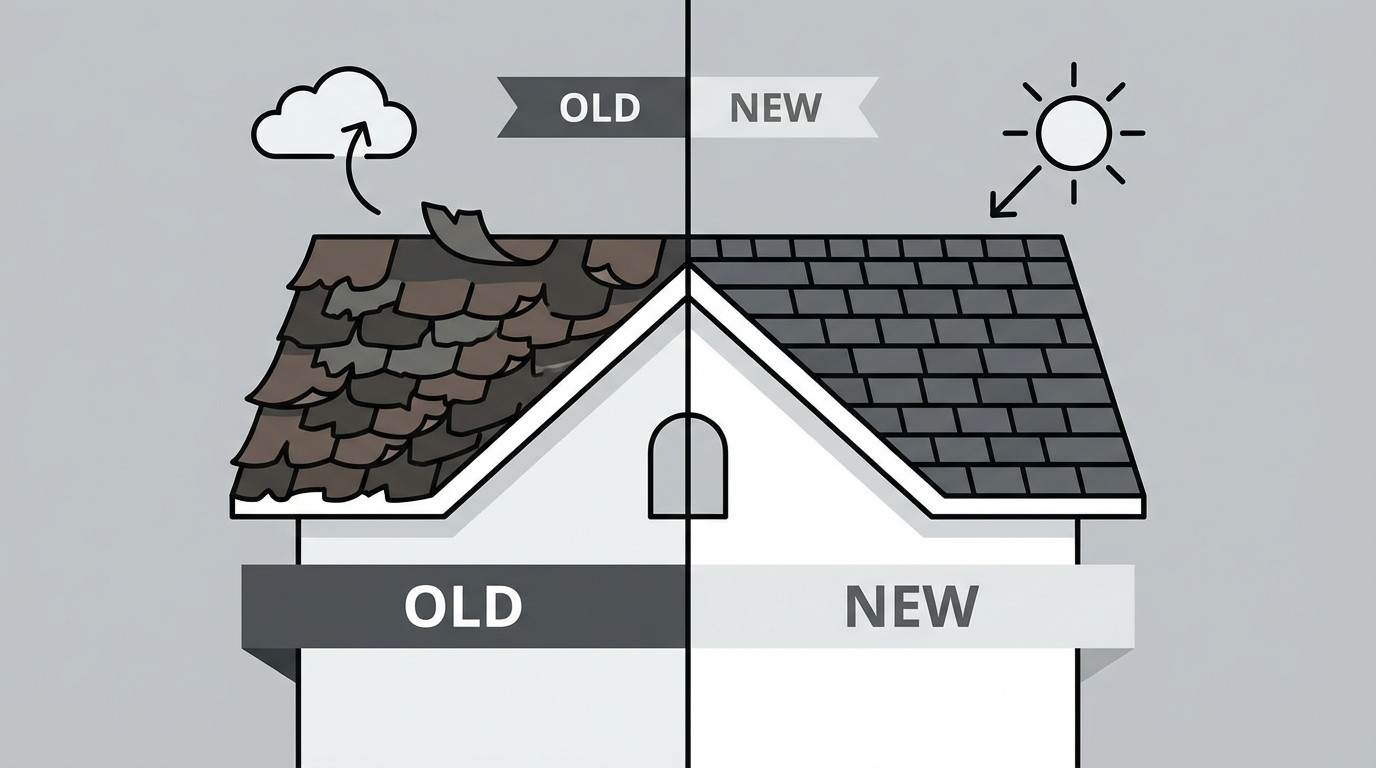
During an in-person visit, the estimator examines your roof's condition, measures the surface area, notes the pitch and complexity, and identifies any issues that affect pricing. They might check your attic for ventilation and signs of water damage. They'll ask about the problems you've noticed and what kind of work you're considering.
After the assessment, you'll receive a written estimate. Sometimes on the spot, sometimes within a day or two. This document should include everything mentioned above: price, scope, materials, timeline.
According to the Better Business Bureau, getting written estimates from multiple contractors is one of the most important steps homeowners can take to avoid problems with home improvement projects.
In-Person vs. Remote Estimates
More contractors now offer remote estimates, especially for initial assessments. They pull satellite imagery of your property, measure your roof using specialized software, and generate an estimate without ever visiting your home.
Remote estimates work well for straightforward situations. If your roof is relatively simple and you're planning a standard replacement with common materials, a remote estimate might be perfectly accurate.
The limitations show up with complex roofs or unclear conditions. Satellite images can't see damaged decking under your shingles. They might miss subtle signs of wear that an experienced roofer would catch in person. And they can't assess things like attic ventilation or access challenges.
For repairs or situations where the scope of work isn't obvious, an in-person estimate usually makes more sense. The contractor can see exactly what needs fixing rather than guessing based on photos.
Questions to Ask During a Free Estimate
The estimate visit isn't just about the contractor evaluating your roof. It's also your chance to evaluate them.
How long have you been in business? Experience matters in roofing. A company with a track record has something to protect.
Are you licensed and insured? This should be non-negotiable. Ask for proof if you want to verify.
Who does the actual work? Some contractors use their own crews, others subcontract. Neither is automatically better, but you should know who's showing up.
What's your warranty? Manufacturer warranties cover material defects. Workmanship warranties cover installation problems. Get clarity on both.
Can I see references or reviews? Good contractors have happy customers willing to vouch for them.
Pay attention to how they answer too. A contractor who gets defensive about basic questions might not handle project communication any better.
How Long Does a Free Estimate Take
The on-site portion usually runs 30 minutes to an hour, depending on your roof's size and complexity. Simple roofs with obvious needs go faster. Complex roofs or ambiguous problems take longer.
Getting the written estimate afterward varies by contractor. Some hand you paperwork before they leave. Others email it within 24 to 48 hours. If you haven't received anything after a few days, follow up. A contractor who can't deliver an estimate promptly probably won't be prompt during your actual project either.
For homeowners in the Chattanooga area and nearby communities like Cleveland, local contractors familiar with regional roofing conditions can often turn around estimates quickly since they know what to expect from homes in the area.
When "Free" Isn't Really Free
Most legitimate roofing contractors offer genuinely free estimates. But watch out for situations where strings are attached.
High-pressure sales tactics. Some contractors treat the estimate visit as a sales opportunity. They'll push for an immediate decision, claim the price is only good today, or use other pressure techniques. A free estimate shouldn't come with an obligation to decide on the spot.
Bait and switch pricing. The free estimate says one thing, but once work starts, extra charges appear. This isn't about the estimate being free; it's about the estimate being honest. Make sure the scope of work is clear so surprises don't emerge later.
Required inspections for storm damage. After major storms, contractors sometimes offer "free inspections" that are really scouting missions to sign up homeowners for insurance-funded work. The inspection might be free, but the underlying goal is getting you to sign a contract before you've had time to think. Our piece on door-to-door roofing sales covers these tactics in more detail.
The estimate itself being free is standard. Pressure to commit immediately is not.
After the Estimate: What's Next
Once you have your estimate, resist the urge to decide immediately. Even if the contractor seems great and the price seems fair, take time to think.
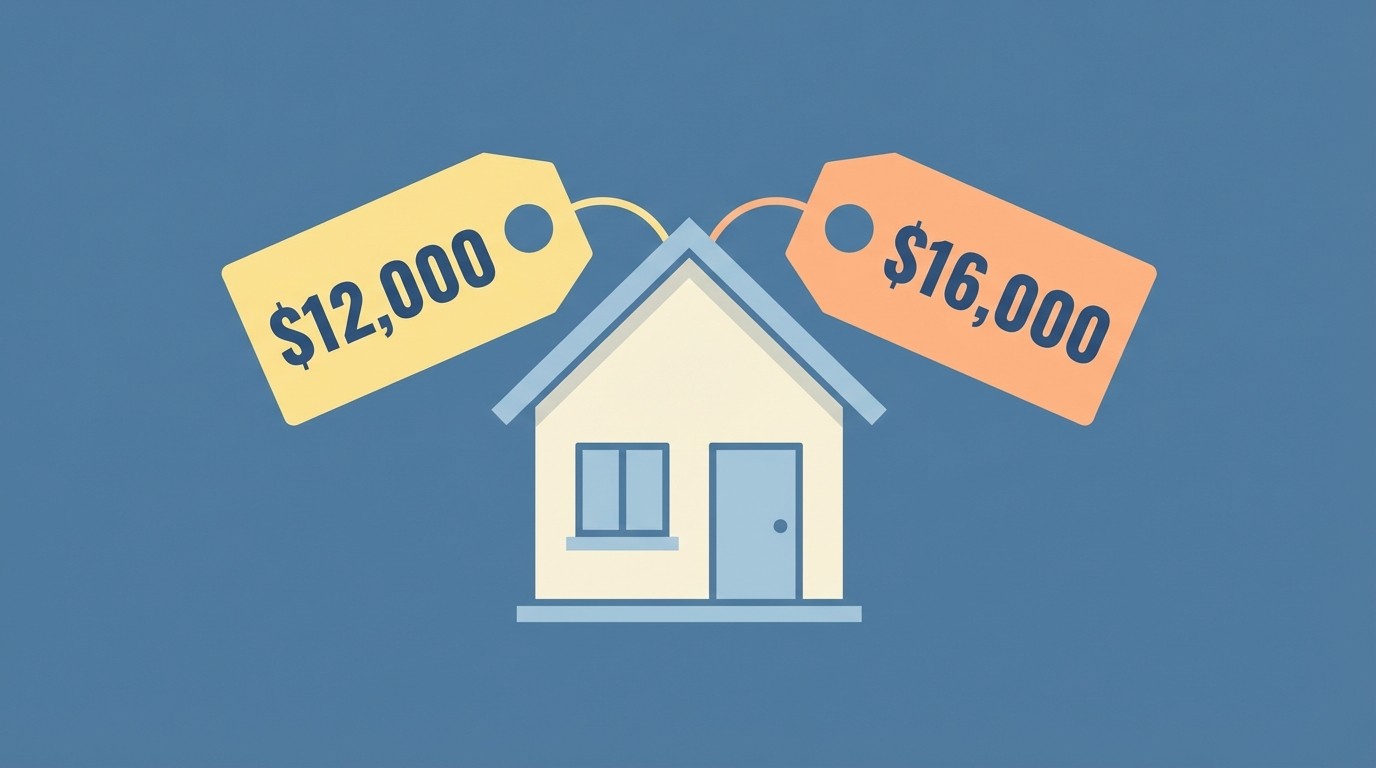
Get at least two more estimates to compare. Use a roofing calculator to sanity-check the numbers against general market rates. Read reviews of the contractor. Verify their licensing and insurance.
If you have questions about the estimate, ask. Good contractors welcome questions because engaged customers are easier to work with than confused ones. If a contractor brushes off your questions or gets impatient, that's useful information about what working with them would be like.
When you're ready to move forward, get everything in writing before work begins. The estimate becomes the foundation for your contract, but make sure all the details are confirmed before anyone starts tearing shingles off your roof.