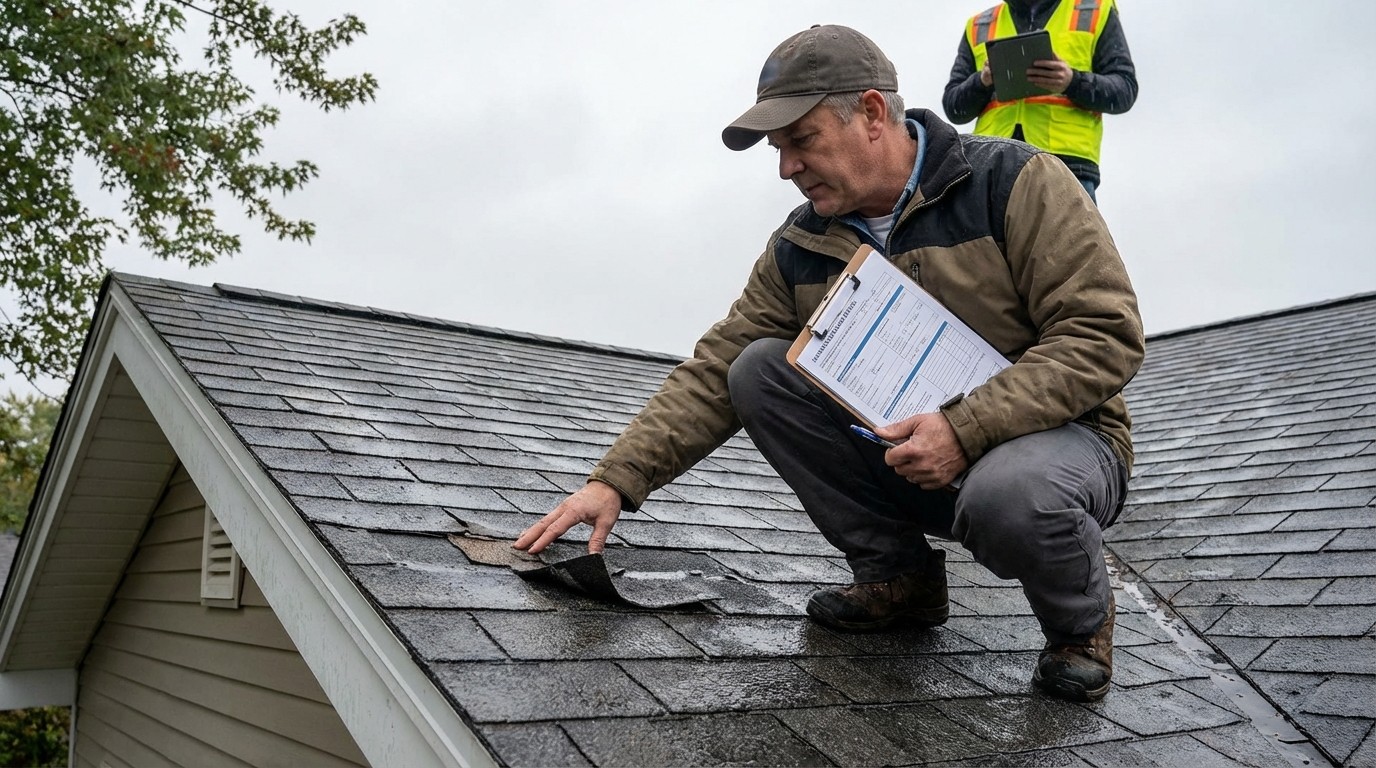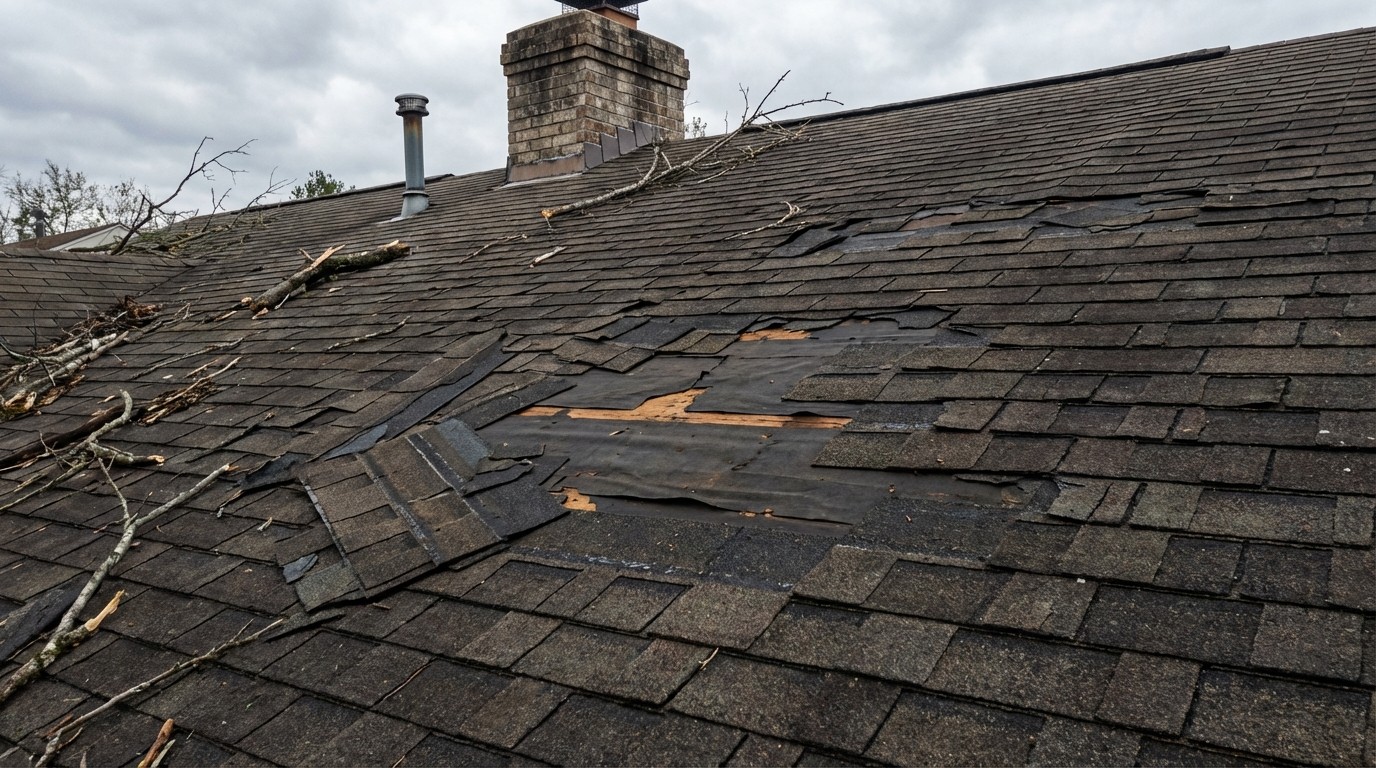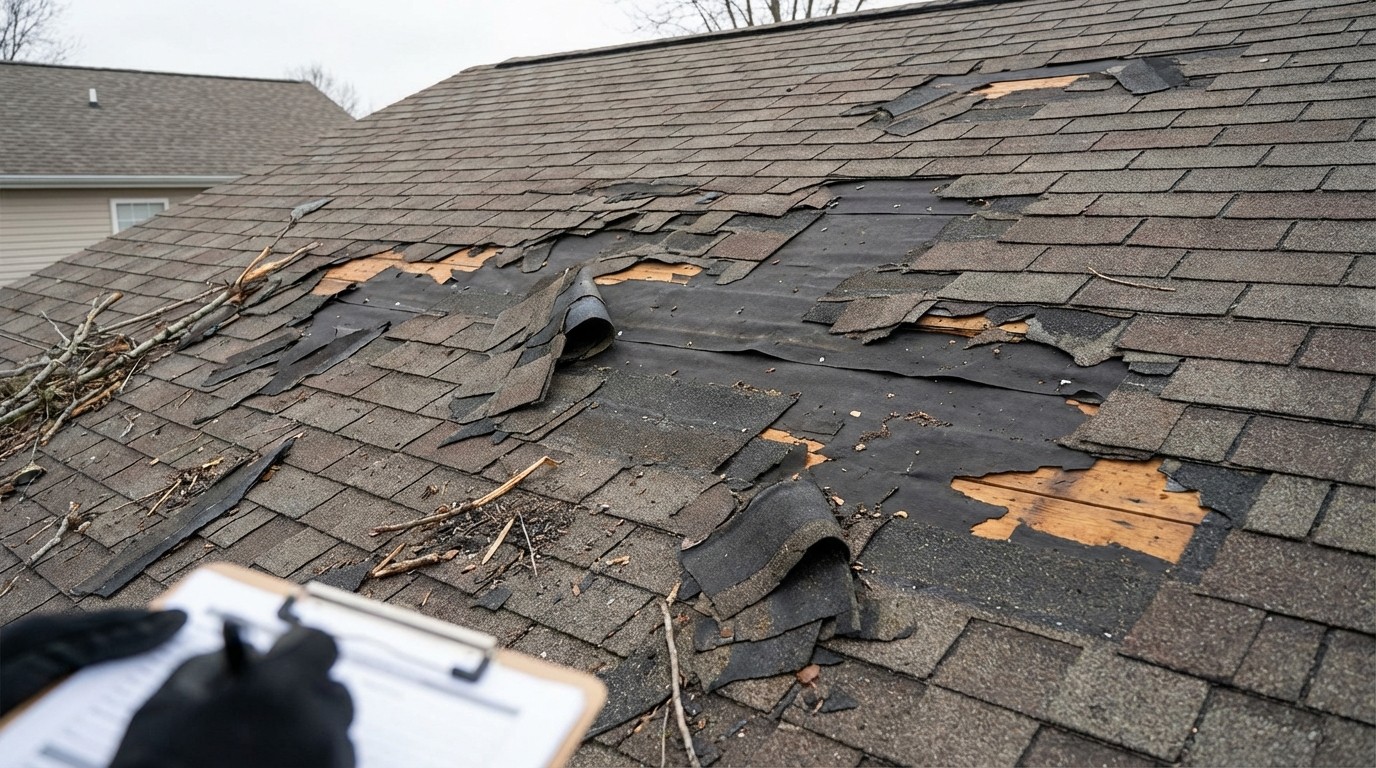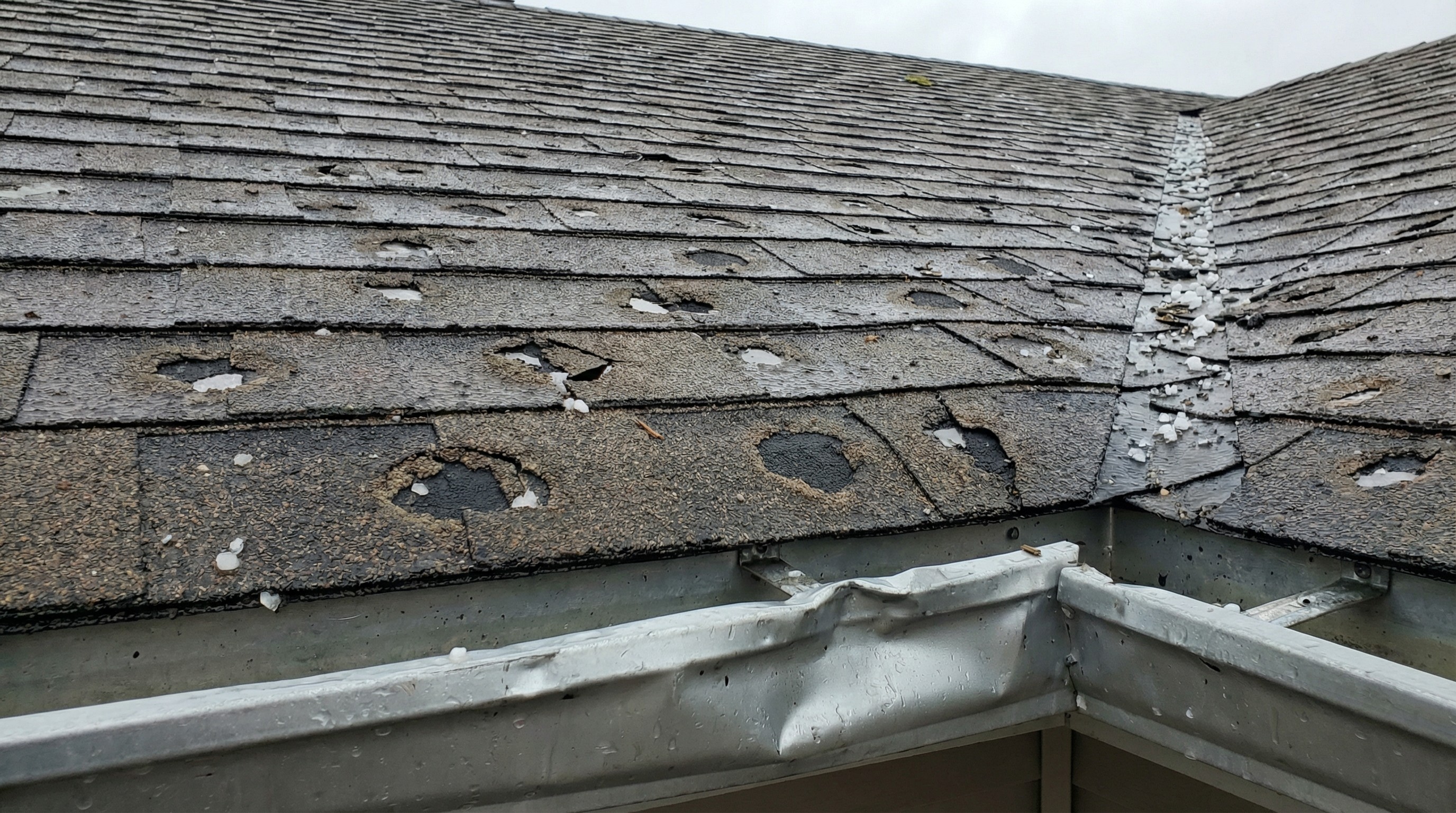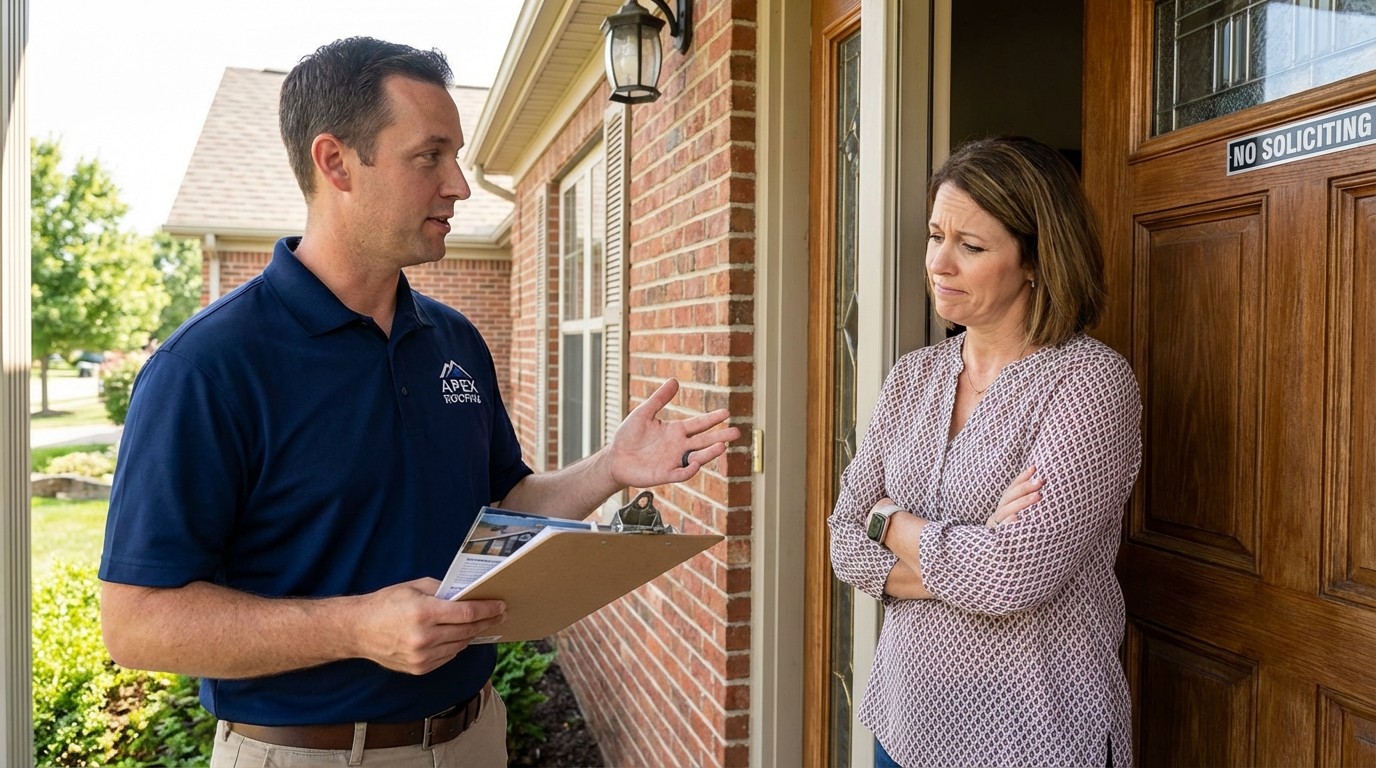
The doorbell rings. A friendly person in a polo shirt stands on your porch, clipboard in hand, pointing toward your roof. They mention they were just working on a neighbor's house and noticed some damage on your shingles. Sound familiar?
Door to door roofing sales pitches happen constantly after storms roll through neighborhoods. Some of these salespeople represent legitimate local companies looking for work. Others are storm chasers who will take your deposit and disappear. The difference between them is not always obvious at first glance.
The challenge is telling them apart. This guide explains exactly what door to door roofers say, why they say it, and how to protect yourself from potential scams. You will learn the red flags that signal a storm chaser, the signs of a legitimate contractor, and the questions you should ask before signing anything or making a payment.
Why Roofers Knock on Your Door
Storms create concentrated demand for roofing work. When hail or high winds hit a neighborhood, dozens of homes often need repairs at the same time. Roofers know this, which is why they canvas affected areas looking for work. A single severe weather event can damage hundreds of roofs within a small geographic area.
This practice is standard in the roofing industry. A contractor driving through your neighborhood after a storm and offering inspections is not inherently suspicious. Many reputable local companies build their business this way, especially during peak storm seasons. Door knocking has been a sales technique in roofing for decades.
The business logic makes sense. Instead of waiting for homeowners to call, contractors proactively identify potential customers who may not even realize they have damage. Many homeowners cannot easily inspect their own roofs and may not notice problems until leaks develop months later. For a roofer, one afternoon of door knocking in a storm-damaged neighborhood can generate weeks of work.
The timing is strategic. Insurance companies have claim deadlines, and damage can worsen if left unaddressed. A professional who reaches homeowners quickly after a storm provides genuine value by preventing further deterioration and helping file timely claims.
That said, the same strategy attracts less reputable operators. Storm chasers follow severe weather across the country, knocking on doors with the same scripts and tactics. They complete work quickly (sometimes poorly), collect payment, and move on to the next disaster zone before quality issues surface. These transient operators may not be around when you need warranty service.
The key is understanding that a knock on your door after a storm is normal. What matters is how the salesperson behaves after you open it.
What a Typical Door to Door Roofing Sales Pitch Sounds Like
Most door to door roofing pitches follow a predictable pattern. Knowing what to expect helps you evaluate the salesperson more objectively and recognize manipulation tactics when they appear.
The opening line usually references your neighborhood or a nearby house. "We just finished a job down the street" or "I noticed some damage on your roof while driving by" are common openers. These statements create familiarity and suggest they are already trusted by your neighbors. Whether or not they actually worked on a nearby house, this framing puts you in a receptive mindset.
The free inspection offer comes next. Nearly every door to door roofer offers to climb up and check your roof at no charge. This gets them on your property and creates an opportunity to point out problems, whether real or exaggerated. Accepting a free inspection does not obligate you to anything, but be aware that the salesperson now has a chance to build rapport and find issues to discuss.
The insurance angle is powerful. Many homeowners do not realize their insurance may cover storm damage. Salespeople use this by offering to "work with your insurance company" or "help you file a claim." This frames the repair as essentially free (minus your deductible), lowering resistance. The idea that you might get a new roof at little personal cost is compelling.
Urgency tactics often follow. Phrases like "material prices are going up next week," "we only have a few spots left in our schedule," or "this damage will get worse if you wait" push homeowners toward quick decisions. Some salespeople mention that your insurance claim must be filed within a certain timeframe, which may or may not be accurate.
The social proof element ties everything together. Salespeople often drop names of neighbors who supposedly hired them, or mention they are doing "five houses on this block." This creates a fear of missing out and suggests community endorsement. You may feel pressure to act because everyone else apparently is.
The special deal often appears last. The salesperson might offer a discount for signing today or promise to waive certain fees if you commit now. These limited-time offers create artificial scarcity and discourage you from comparing quotes.
None of these tactics are automatically dishonest. Legitimate contractors use them because they work. The difference is how pushy the salesperson becomes and whether they pressure you to commit on the spot without giving you time to research.
A good roofing contractor will leave their card and let you think it over. A storm chaser wants your signature before you can research them or get other estimates.
Red Flags That Signal a Storm Chaser or Scam
Certain behaviors should immediately raise your guard. If a door to door roofer does any of the following, proceed with extreme caution or end the conversation entirely.
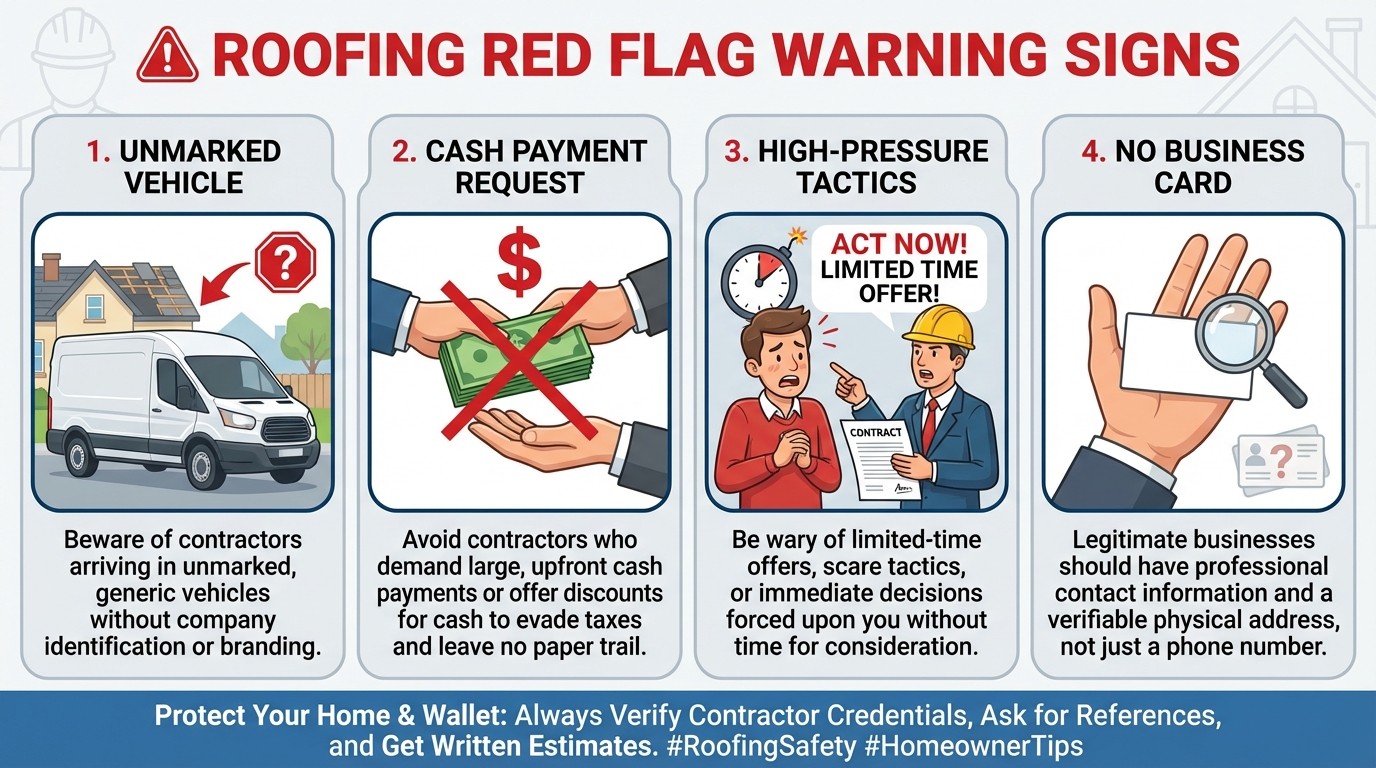
Pressure to sign the same day. Legitimate contractors understand that a roof replacement is a major decision involving thousands of dollars. If a salesperson insists you must sign today to lock in pricing or secure their schedule, that is a warning sign. Real contractors have availability for serious customers and will not pressure you into a same-day commitment.
No local address or references. Ask where their office is located. If they cannot provide a local address, or if their "headquarters" is a P.O. box or out of state, they may not be around if problems arise after the work is done. Local contractors have reputations to protect and physical locations you can visit.
Requests for large cash deposits. Professional roofing companies typically require a deposit of 10-30% to order materials. A contractor demanding 50% or more upfront, especially in cash, is a major red flag. Once they have your money, leverage shifts entirely to them. Cash payments also eliminate paper trails that protect you. The Federal Trade Commission recommends never paying more than a third upfront for home improvement work.
Cannot provide license or insurance. Every state requires roofing contractors to be licensed. Many also require general liability and workers' compensation insurance. If a salesperson cannot immediately provide these documents, walk away. Unlicensed work may void your homeowner's insurance or leave you liable if a worker is injured.
Quoting a price without measuring. A legitimate roofing estimate requires measuring your roof, assessing its condition, and calculating materials. Anyone who quotes you a price from the ground is guessing, and that guess will likely change once you have committed. Professional estimates are detailed and itemized.
Offering to cover your deductible. This is insurance fraud. If a contractor offers to waive your deductible by inflating the claim amount, they are asking you to participate in a crime. Your insurance company can deny the claim, drop your coverage, and you may face legal consequences.
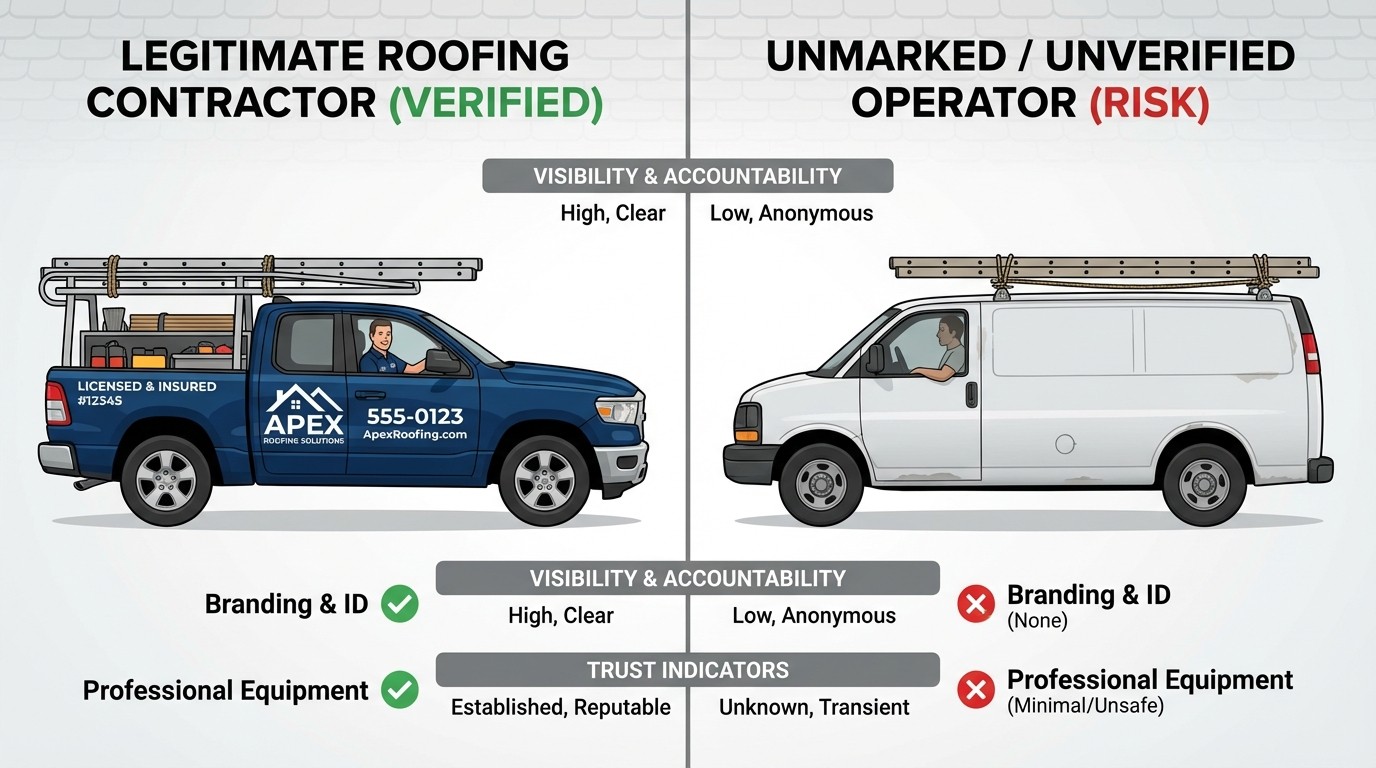
Unmarked vehicles or out of state plates. Established local contractors have branded trucks with company names, phone numbers, and logos. Storm chasers often drive unmarked vehicles or rentals with license plates from distant states. This mobility allows them to leave town quickly.
Reluctance to provide written documentation. Any legitimate contractor will provide a written estimate, contract, and warranty information. If someone is reluctant to put anything in writing, that should concern you. Verbal agreements are nearly impossible to enforce if disputes arise.
Aggressive or threatening behavior. If a salesperson becomes hostile when you ask questions or hesitate to commit, leave immediately. No legitimate business operates through intimidation.
Review our common roofing scams guide for more warning signs to watch for when hiring a contractor.
Signs of a Legitimate Door to Door Roofer
Not every door knocker is a scammer. Many are salespeople for reputable local companies. Here is how to identify them and feel confident moving forward.
They have a local business address. A legitimate contractor has a physical office in your area that you can visit. They are invested in the community and will be around to honor warranties and address problems years after the installation.
They offer proof of license and insurance without hesitation. Professional contractors carry these documents and expect to be asked. They will provide them immediately, not promise to email them later. You can verify license numbers through your state's contractor licensing board.
They do not pressure you. A quality salesperson knows that pushy tactics damage their reputation and lead to negative reviews. They will offer information, answer questions, and let you decide on your own timeline. Confidence in their work means they do not fear comparison.
They drive professional, branded vehicles. Company trucks with logos, phone numbers, and websites signal investment in the business. This is not a guarantee of quality, but it does indicate permanence and accountability.
They provide references. Good contractors have satisfied customers in your area. They should be able to provide names and phone numbers of people who will vouch for their work. Some may even point to nearby homes they have completed so you can see the results.
They encourage you to get multiple quotes. Counterintuitively, confident contractors often suggest you compare their estimate to others. They know competitive pricing and quality work speak for themselves. A company afraid of comparison is often overcharging.
They carry proper identification. Salespeople from established companies have ID badges or business cards with their name, title, and company information. This accountability matters if issues arise later.
They explain the process clearly. A legitimate contractor will walk you through exactly what will happen: inspection, estimate, insurance filing (if applicable), material ordering, installation timeline, and warranty coverage. Transparency builds trust.
Questions to Ask Any Door to Door Roofer
Before engaging further with any contractor who knocks on your door, ask these questions. Their answers will quickly reveal whether they are worth your time.
Are you licensed and insured in this state? This should be an immediate yes. Ask to see documentation. If they hedge or promise to provide it later, end the conversation. Licensing requirements vary by state, but all require some form of contractor registration.
What is your local business address? Look for an actual street address, not a P.O. box. After they leave, verify it exists. A quick Google Maps search can confirm whether it is a real office or an empty lot.
Can I see your contractor license number? Most states have online lookup tools where you can verify the license is active and matches the person in front of you. This takes only a few minutes and is worth the effort.
Do you have references in this neighborhood? Local references are valuable. Call them. Ask about the quality of work, timeline, communication, and how the contractor handled any issues that arose.
Will you provide a written estimate? Never agree to any work without a detailed written quote. This document should itemize materials, labor, permits, and cleanup separately. Learn more about how to read a roof estimate.
What warranty do you offer? Understand both the manufacturer warranty on materials and the workmanship warranty on the installation. Get both in writing. Workmanship warranties typically range from 2-10 years depending on the contractor.
How long have you been in business locally? Established companies have track records you can research. Newer companies are not necessarily bad, but they carry more risk and less verifiable history.
Who will actually perform the work? Some contractors subcontract everything to third parties. Ask whether their own employees will install your roof or if they use subcontractors. If subcontractors are used, verify they are also licensed and insured.
What happens if there are problems after the job is complete? This reveals their commitment to customer service. Listen for specifics about their warranty claim process and how quickly they respond to issues.
How to Respond to a Door to Door Roofing Pitch
Your response should depend on your level of interest and comfort. Here is how to handle both scenarios effectively.
If you are interested in learning more, gather information but do not commit. Accept their card, ask questions, and tell them you need time to think. A legitimate contractor will respect this and follow up professionally.
Schedule a formal inspection if you want to proceed. But before they return, verify their license online, check reviews on Google and the Better Business Bureau, and call at least one reference. If anything seems off, cancel the appointment. You are under no obligation.
Do your research before the follow-up visit. Look up their company name along with words like "scam," "complaints," or "lawsuit." Check their BBB rating and see if they have any unresolved complaints. Read online reviews but look for patterns rather than individual complaints.
If you are not interested, a simple "No, thank you" is sufficient. You do not owe them an explanation. Some homeowners worry about being rude, but professional salespeople hear no constantly. The pushy ones will keep pressing, which tells you all you need to know about them.
Never sign anything on the spot, regardless of how good the deal sounds. Your roof will still be there tomorrow. Any "limited time offer" will still be available if they actually want your business. Urgency is a sales tactic, not reality.
If a salesperson becomes aggressive, refuses to leave, or makes you uncomfortable, ask them to leave immediately. If they do not comply, call the police. Legitimate businesses do not harass potential customers. Your safety comes first.
Why Getting Multiple Quotes Protects You
When a contractor shows up at your door, they have a significant advantage. They set the terms, control the information, and know you have not compared their pricing to anyone else. This power imbalance works in their favor.
Getting multiple quotes eliminates this problem. When three different contractors bid on the same project, you see the true market range. You can identify which prices are fair, which are inflated, and which might be suspiciously low.
Prices for the same roofing project can vary by 20-40% depending on the contractor. Without comparison, you have no way to know if a door to door quote is reasonable or padded with excessive markup. What seems like a fair price in isolation might be $3,000 higher than the market rate.
Competition also reveals contractor quality. How each company handles the quote process, the detail in their estimates, and their communication style tells you a lot about how they will handle the actual work. A sloppy estimate often predicts sloppy installation.
The inspection process itself is valuable. When multiple contractors examine your roof, you get a more complete picture of its condition. If one finds damage that others missed, or if one recommends a full replacement when others say repairs are sufficient, you can ask follow-up questions and understand the reasoning.
Platforms like roofquotes.com let you compare quotes from vetted local contractors without the pressure of door to door sales. You control the process, review standardized estimates, and choose on your own timeline.
If you have already received a quote from a door to door roofer, consider using our free quote review to check if the pricing is fair for your area.