This guide walks you through what insurance actually covers, how to document damage properly, what adjusters look for during inspections, and exactly what to do if your claim gets denied.
What Roof Damage Does Homeowners Insurance Cover
Your homeowners insurance will pay for a roof replacement only if the damage came from a sudden, covered event like a storm or fire. The key word here is "sudden." Insurance policies cover unexpected damage from specific events listed in your policy, like storms, hail, or fires. Think hail, wind, falling trees, fire, or vandalism. If your roof simply wore out over time or you didn't maintain it, insurance won't cover the replacement.
Here's why this distinction matters. Insurance companies separate sudden accidents from gradual deterioration. A tree branch crashing through your roof during a thunderstorm? Covered. Shingles slowly curling and cracking over 15 years? Not covered. Understanding this difference now will help when you file your claim.
Wind Damage
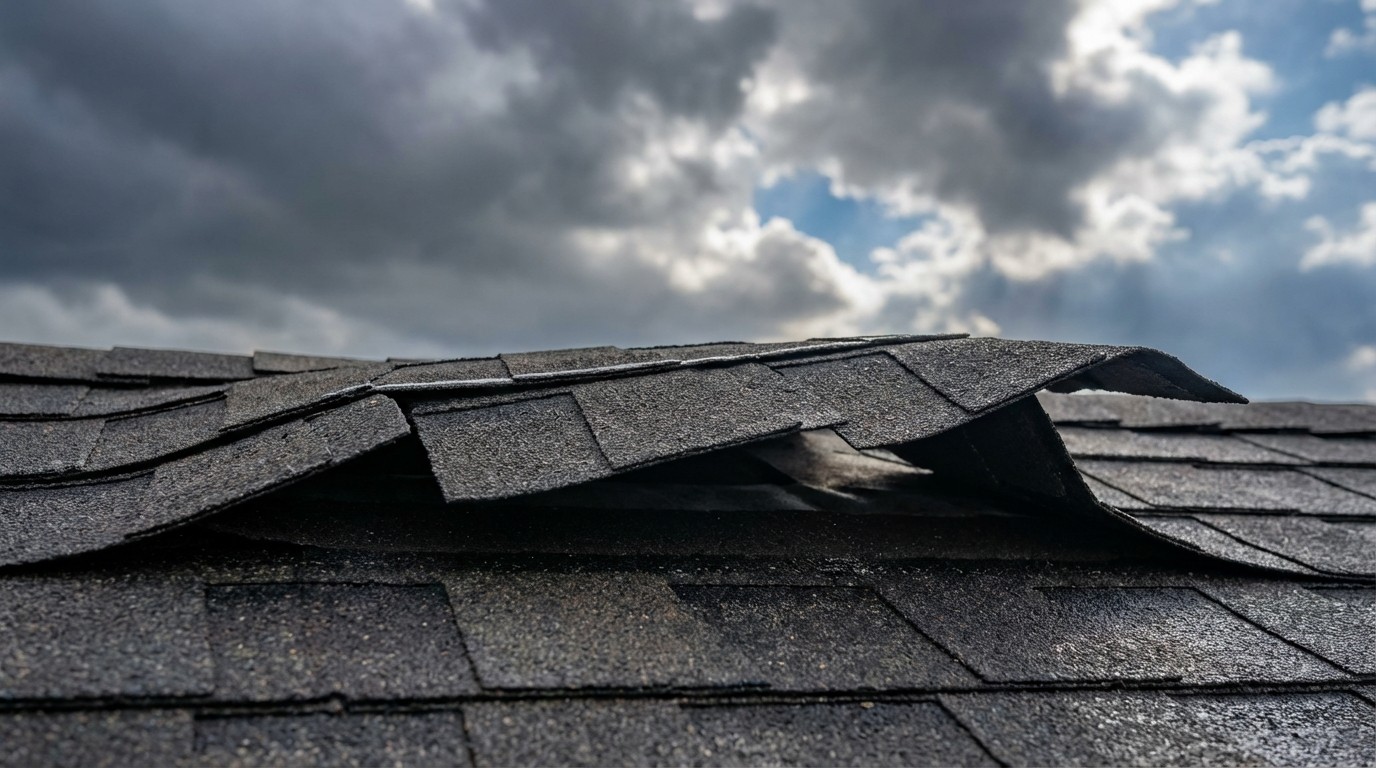
Wind damage happens when strong gusts tear off shingles, lift flashing around chimneys or vents, or expose the roof deck underneath. You'll typically see this after thunderstorms or severe weather. Insurance covers wind damage as long as your roof was in decent shape before the storm hit. If the adjuster finds your roof was already falling apart, they might deny the claim or reduce what they pay.
Hail Damage
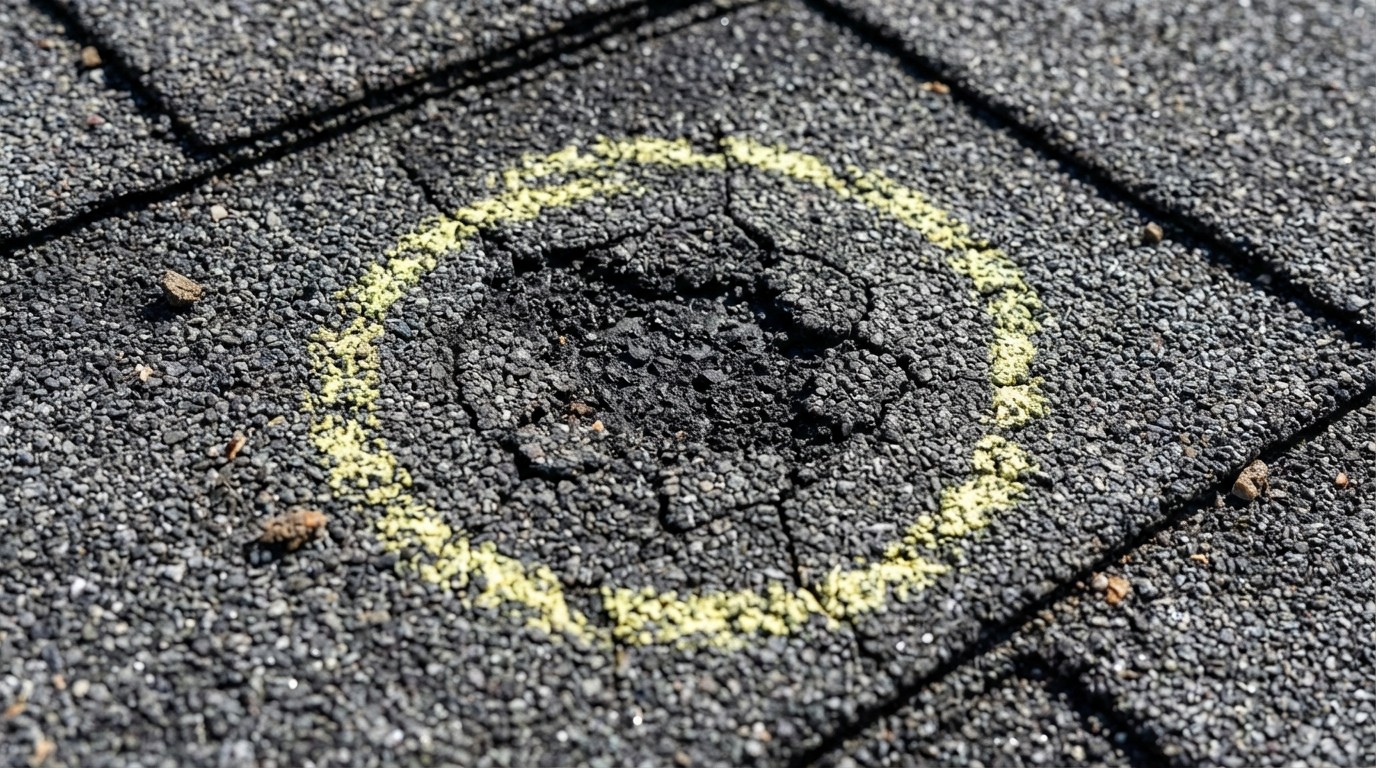
Hail creates dents or bruises on shingles, knocks off the protective granules on top, and can crack the roofing material. Even small hail can cause enough damage to let water seep through over time. This is one of the most common reasons homeowners file successful claims, especially in areas that see frequent hailstorms. The damage might not look dramatic from the ground, but it creates openings where water can seep through and cause leaks, mold, or interior damage over time.
Water Damage From Storms
Sudden water intrusion from a storm counts as covered damage. Rain driven through wind-damaged shingles or a tree puncture? Covered. A leak that developed slowly over months because you ignored missing shingles? Not covered. Adjusters investigate whether the water damage happened all at once or built up gradually, so documentation of when the storm occurred matters.
Falling Trees and Debris
If a tree or large branch falls on your roof during a storm, insurance typically covers the damage. The same goes for storm-driven debris like patio furniture or trampolines from neighboring properties. However, if you knew a tree was dead or damaged and didn't remove it, the insurer might deny your claim for negligence. Have obviously dangerous trees removed before storms hit.
Here's the basic breakdown of what's covered versus what's not:
Covered: Wind, hail, fallen trees, fire, vandalism, lightning
Not covered: Age, wear and tear, neglect, poor maintenance, cosmetic damage
What Roof Damage Insurance Does Not Cover
Insurance policies exclude damage from normal aging or lack of upkeep. This is where many homeowners get frustrated because they assume their policy covers more than it actually does. Understanding what insurance excludes helps you set realistic expectations and avoid disappointment when filing your claim.
Normal Wear and Tear
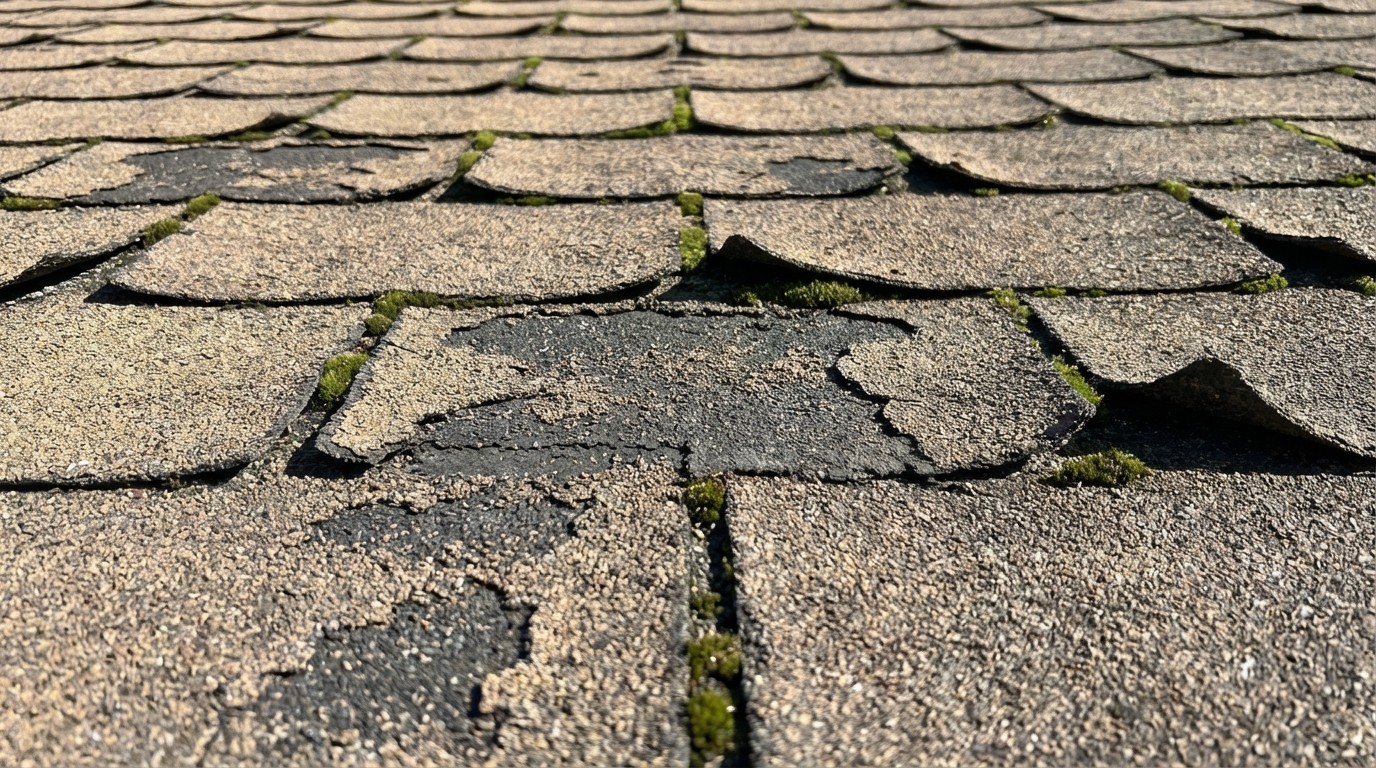
Shingles naturally deteriorate over time from sun exposure, temperature swings, and regular weathering. This gradual breakdown—cracking, curling, granule loss, moss growth—is considered normal aging, not sudden damage. Insurance policies specifically exclude this because maintaining your roof is your responsibility as a homeowner, not an insurable event. If an adjuster determines your roof failed due to age rather than a specific storm, your claim will likely be denied.
Pre-Existing Damage and Neglect
Damage that existed before you bought your policy or before the recent storm won't be covered. Insurers also deny claims when they determine you failed to maintain the roof properly. If you ignored small leaks until they caused major problems, that's considered neglect. Regular maintenance records and photos of your roof's condition before the storm can help prove the damage was sudden and new.
Cosmetic Damage Without Structural Impact
Some policies exclude purely cosmetic damage, like minor dents that don't affect how your roof functions. This varies by policy, so you'll want to read your specific coverage language. If the damage doesn't compromise the roof's ability to keep water out, your insurer might not pay for repairs.
How Roof Age Affects Your Insurance Coverage
The age of your roof directly impacts how much money you'll receive if your claim gets approved. Insurers pay either replacement cost value or actual cash value, and older roofs typically receive the depreciated amount rather than full replacement cost.
Replacement cost value means the insurer pays what it costs to install a new roof at today's prices, minus your deductible. Actual cash value means they calculate what your old roof was worth at the time of damage, factoring in depreciation for every year of age. A 15-year-old roof with a 20-year lifespan might only receive 25% of its original value under an actual cash value policy.
If your roof originally cost $15,000, you might only receive $3,750 toward replacement.
Many insurers also require inspections for roofs over 10 to 15 years old before they'll issue or renew a policy. Some companies won't cover roofs older than 20 years at all, or they'll only offer actual cash value coverage regardless of what your policy originally stated. This is something to check now, not after damage occurs.
Coverage Type | What It Means | Best For |
|---|---|---|
Replacement Cost Value (RCV) | Pays for a new roof at current prices | Newer roofs |
Actual Cash Value (ACV) | Pays the depreciated value based on roof age | Older roofs |
How to Get Insurance to Pay for a New Roof
Getting insurance to cover your roof replacement takes careful documentation, quick action, and a clear grasp of your policy. Follow this systematic approach to maximize your chances of claim approval.
1. Review Your Homeowners Insurance Policy
Start by finding your policy's declarations page, which lists your coverage types, limits, and deductible. Look for whether you have replacement cost value or actual cash value coverage for your roof. Check your deductible amount and any exclusions related to roof age or specific perils. If you need clarification on your specific coverage details, contact your insurance agent to review your roof protection benefits and any limitations.
2. Document the Roof Damage With Photos and Records
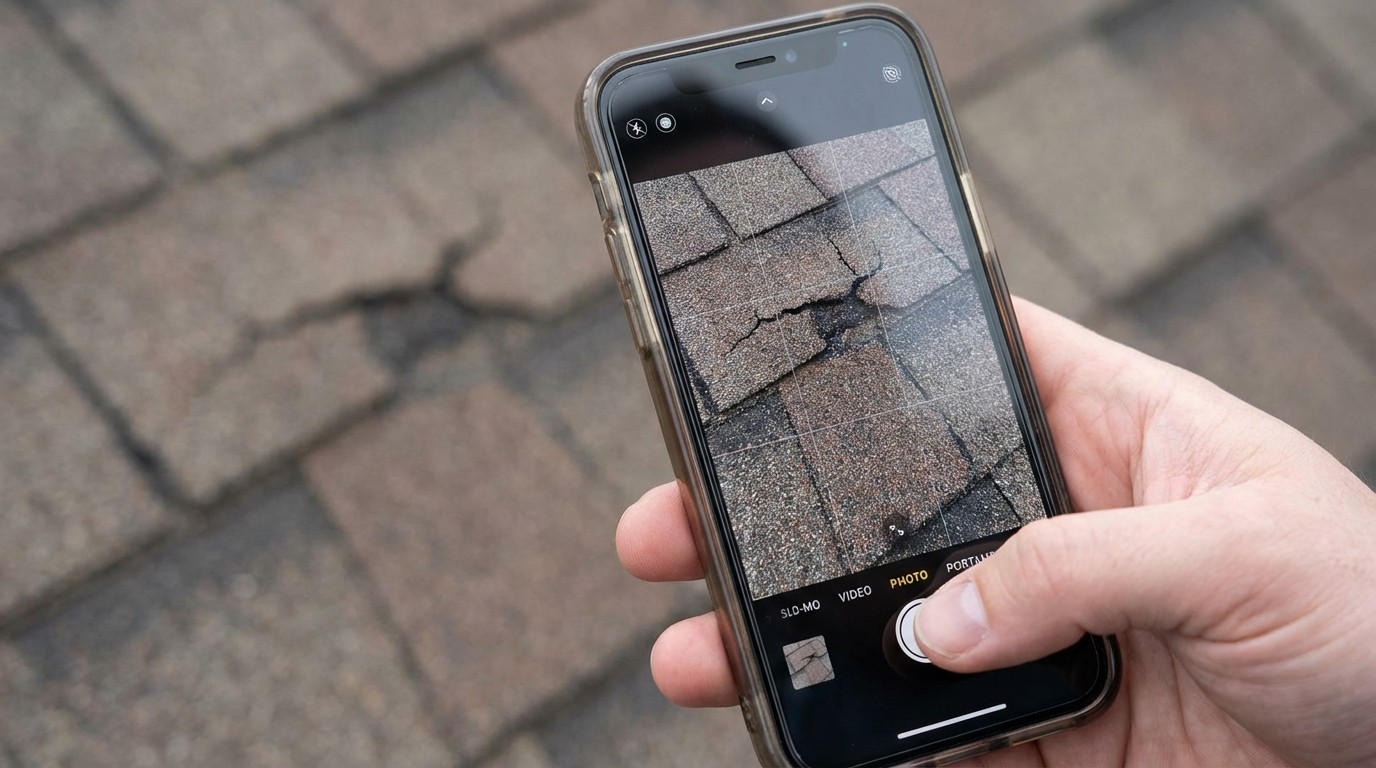
Take clear, dated photos of all visible damage from multiple angles. Capture close-ups of broken shingles, dents, and any water stains inside your home. Photograph the damage from ground level and, if safe, from a ladder to show the full extent. Write down the date the damage occurred and keep records of any emergency repairs you made, like tarping a section to prevent more water from getting in.
3. Schedule a Professional Roof Inspection
Hire a licensed local roofer to inspect your roof before you file your claim. A prof...
4. File Your Roof Damage Insurance Claim
Contact your insurance company through their phone line, mobile app, or online portal to start the claims process. You'll provide your policy number, the date the damage occurred, a description of what happened, and the photos you took. The insurer will assign you a claim number and schedule an adjuster to visit your property. File as soon as possible after discovering the damage, because most policies have time limits for reporting.
5. Prepare for the Insurance Adjuster Visit
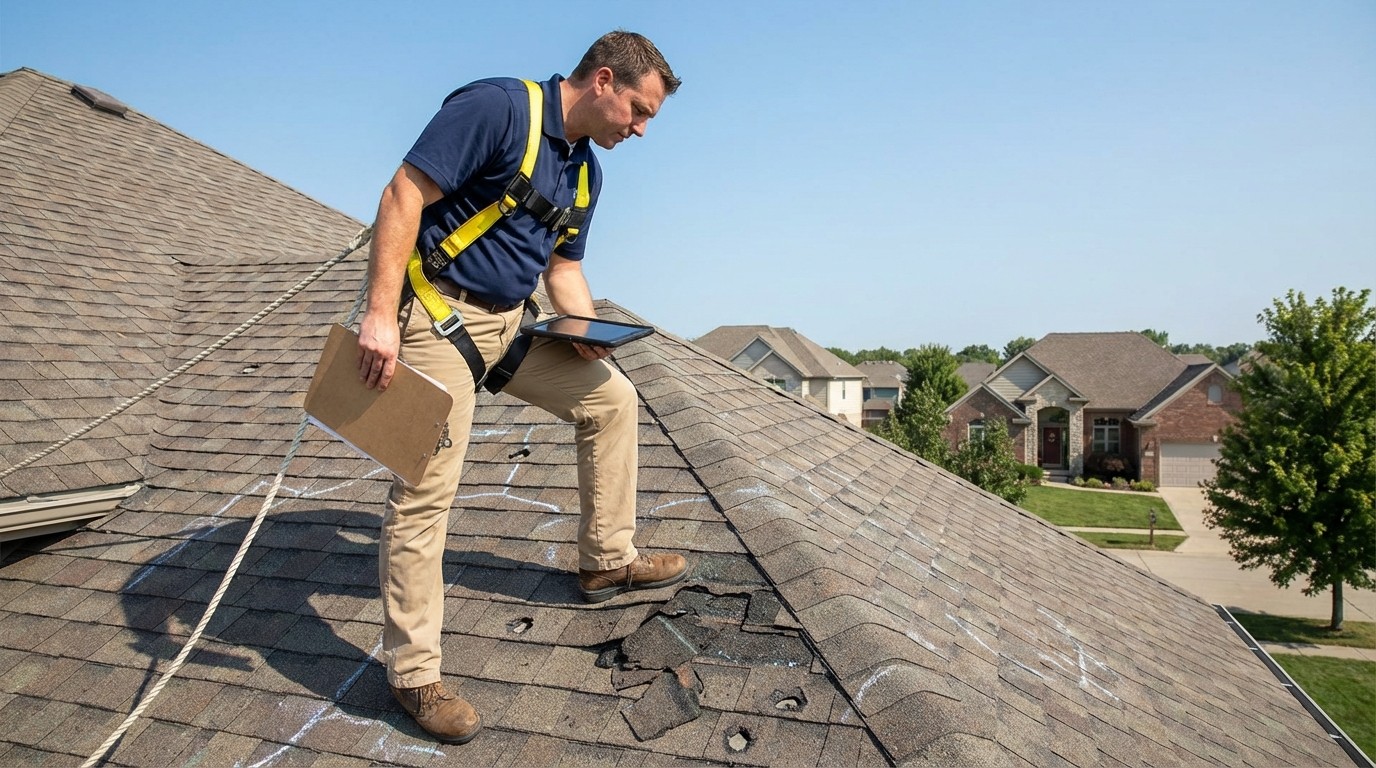
The adjuster's job is to inspect the damage and determine how much the insurer will pay. Have all your documentation ready: your policy, photos, videos, and the written inspection report from your roofer. Consider having your roofer present during the adjuster's visit so they can walk through the damage together and point out issues the adjuster might otherwise miss.
What to have ready for the adjuster:
Copy of your insurance policy with coverage details highlighted
Photos and videos showing all damage from multiple angles
Written inspection report from your licensed roofer
List of damaged areas to walk through with the adjuster
Records of the storm date and any temporary repairs made
6. Get Multiple Roof Replacement Quotes to Compare
Once your claim is approved, collect at least three quotes from different local roof...
What Insurance Adjusters Look for on Roofs
Adjusters follow specific criteria to determine whether damage is covered and how much the repair will cost. They look for storm-related damage patterns like impact marks from hail, wind-lifted shingles concentrated on one side of the roof, and damage to vents, gutters, and flashing. They also assess the roof's overall condition to figure out how much of the damage came from the recent event versus pre-existing wear.
If your roof shows significant aging, the adjuster might reduce the payout or deny the claim entirely. This is why having your own roofer present during the inspection helps. Your roofer can point out specific storm damage and explain why it's different from normal wear.
Adjusters specifically check for:
Impact marks: Dents or bruises from hail on shingles, metal vents, and gutters
Wind patterns: Missing, lifted, or creased shingles, usually on the side facing the storm
Age indicators: Granule loss, curling, and brittleness that suggest wear and tear
Flashing and penetrations: Damage around chimneys, vents, skylights, and roof edges
How to Choose a Roofer for an Insurance Roof Replacement
Choosing the right contractor protects you from poor workmanship, scams, and overpaying. Not all roofers are equally qualified or trustworthy, especially after major storms when demand spikes and out-of-town contractors flood the area.
Experience With Insurance Claims
Look for roofers who regularly work with insurance companies and know the claims process inside and out. Experienced contractors know how to document damage properly, communicate with adjusters, and make sure all covered work gets included in the estimate. They can also explain what the insurance payout covers versus what you might pay out of pocket.
Local Reputation and Reviews
Check Google reviews, ask neighbors for recommendations, and search local forums or Nextdoor for feedback. Local roofers have reputations to protect in the community and are easier to reach if you have issues after the job is done. Out-of-town contractors, especially storm chasers, often disappear once they collect payment.
Line-Item Quotes for Transparency
Roofquotes.com connects you with vetted local roofers who provide transparent, line-...
How to Avoid Roofing Scams During Insurance Claims
Storms bring out predatory contractors who take advantage of homeowners dealing with damage and insurance stress. Knowing the warning signs protects you from losing money or getting stuck with shoddy work.
Storm Chasers and Door-to-Door Salespeople
Storm chasers—out-of-town contractors who follow severe weather into areas like Chattanooga—often use high-pressure tactics that contradict the transparent, local approach our customers prefer.
Contractors Who Offer to Waive Your Deductible
Contractors who offer to waive your deductible or inflate claims are engaging in insurance fraud—avoid these contractors entirely.
Pressure to Sign Contracts Before the Inspection
Legitimate roofers don't pressure you to sign anything before you know whether insurance will cover the work or how much they'll pay. Take your time, get multiple quotes, and don't let anyone rush you into a decision.
Watch for red flags like:
Large upfront payments before work starts (10% deposit is standard)
No proof of local licensing and insurance or reluctance to provide it
High-pressure sales tactics or threats that prices will go up if you wait
Deals that seem too good to be true, like free upgrades or waived deductibles
What to Do If Your Roof Insurance Claim Is Denied
Claim denials happen, but they're not always final. You have options to challenge the decision and potentially get your roof replacement covered.
1. Request a Written Explanation From Your Insurer
Insurance companies are required to explain in writing why they denied your claim. The explanation will reference specific policy language or reasons, like pre-existing damage, lack of covered peril, or insufficient evidence. Read this carefully because it tells you exactly what you'll address in your appeal.
2. Get a Second Inspection From a Licensed Roofer
The adjuster might have missed damage or misinterpreted what caused it. A detailed second inspection from another licensed roofer can provide new evidence to support your appeal. Make sure the roofer documents everything with photos, measurements, and a written report that clearly links the damage to the covered event.
3. File an Appeal With Supporting Documentation
Contact your insurer to start the appeals process. Submit the new inspection report, additional photos, and a written explanation of why the denial was incorrect. If the appeal gets denied again and you believe your claim is valid, consider hiring a public adjuster who works for you, not the insurance company, to reassess the damage and negotiate on your behalf.
Can You Get Insurance to Pay for Gutters With Your Roof
If your gutters were damaged by the same covered event that damaged your roof, like hail dents or a fallen tree, they'll likely be included in your claim. Gutters damaged by clogging, rust, or age won't be covered because those fall under maintenance.
When the adjuster inspects your roof, point out any gutter damage and make sure it gets documented in their report. If gutters aren't included in the initial estimate but you believe they were damaged by the storm, provide photos and ask for a supplemental claim to add them.