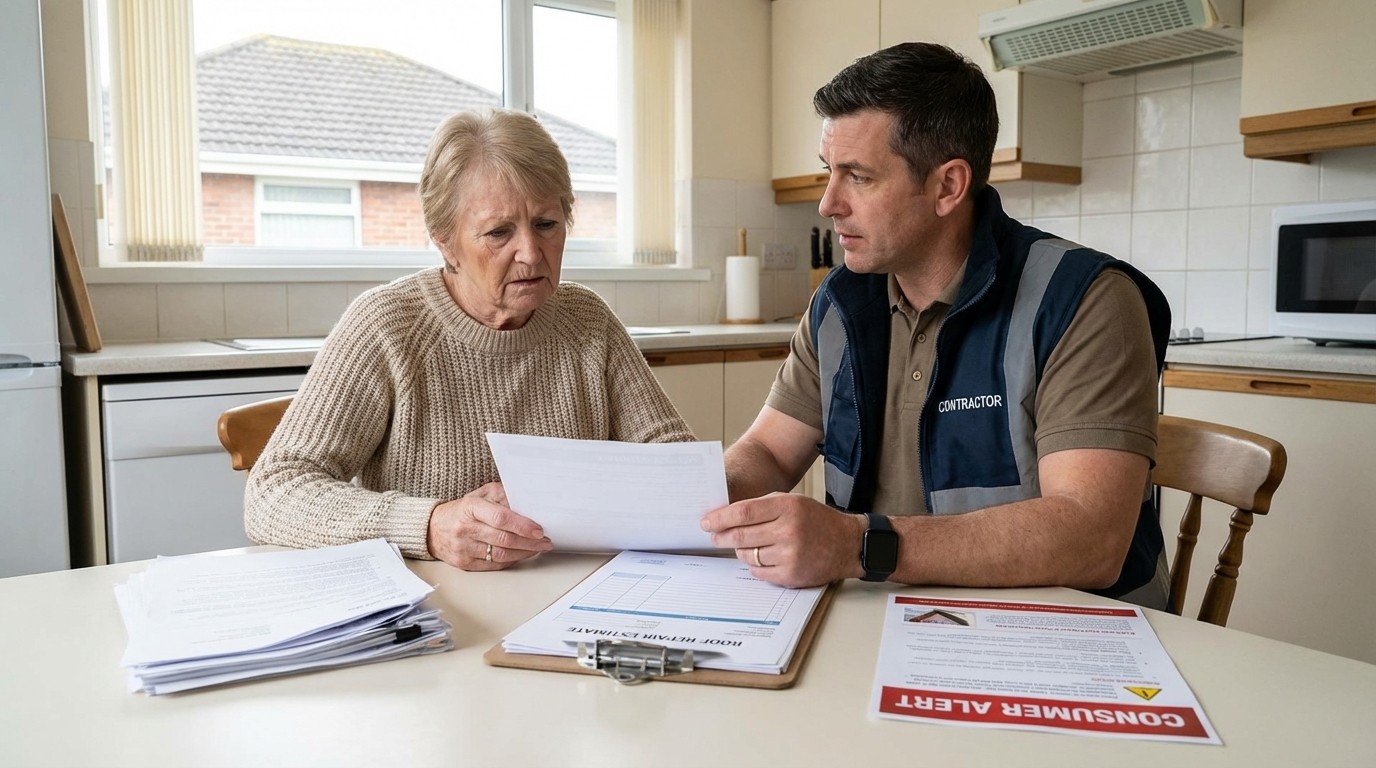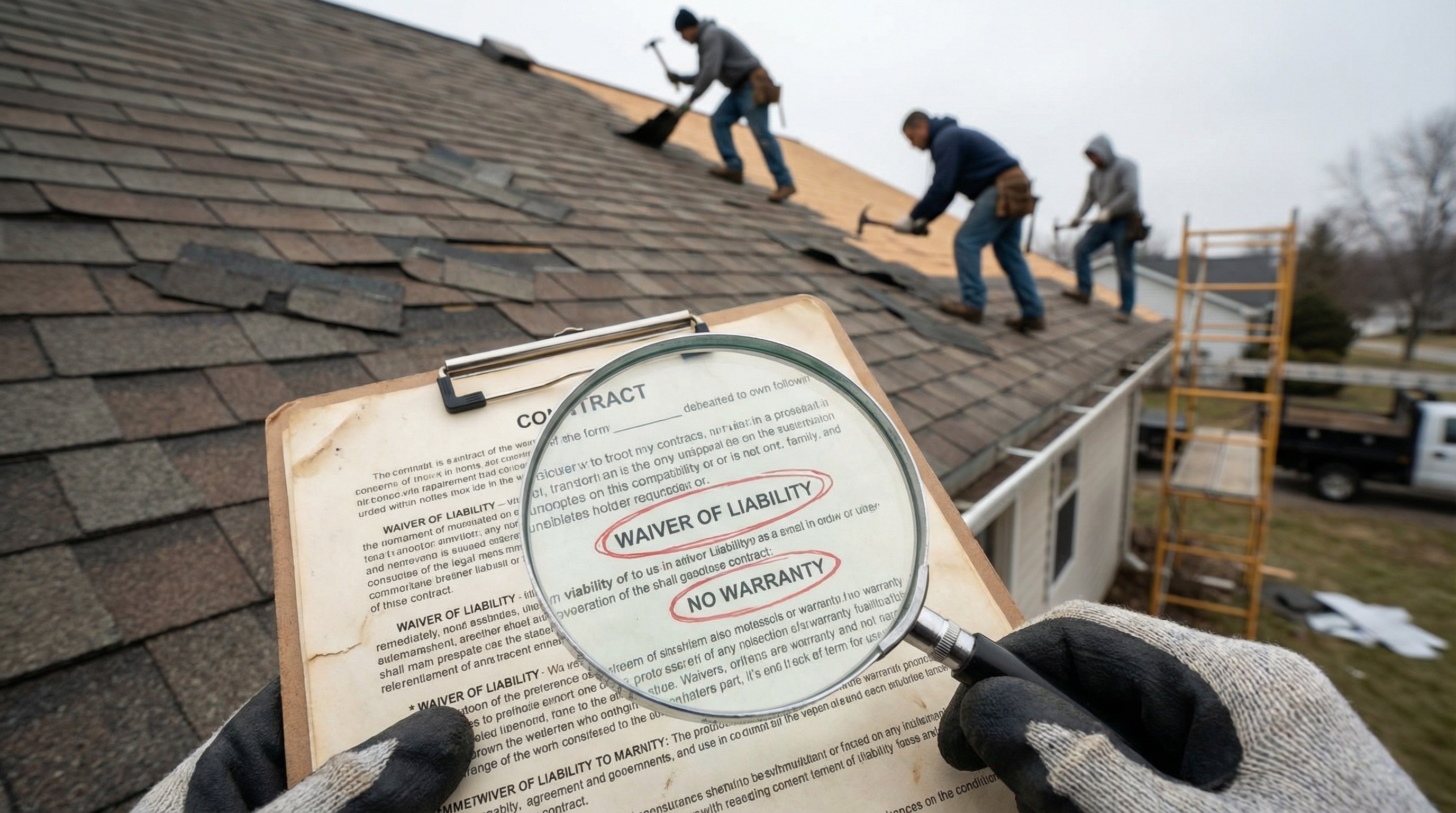
The roofing industry has a problem. According to the Better Business Bureau, roofing-related complaints rank in the top 5 home improvement scam categories every year, with homeowners losing thousands to dishonest contractors. Roofing scams cost homeowners $10-$20 million annually across the United States, making bad roofing contractors one of the most complained-about home improvement categories.
If you're researching bad roofing contractors, you're being smart. Whether you're vetting contractors before hiring or dealing with a problem contractor now, knowing the warning signs protects your home and your money.
This guide reveals the 10 red flags that signal a bad roofing contractor, how to verify credentials before hiring, and what to do if you've already hired someone problematic. Let's make sure your next roofing project goes smoothly.
What Makes a Roofing Contractor "Bad"?
Not all bad roofing contractors are criminals. Some are just inexperienced, disorganized, or cutting corners to save money. The distinction matters.
A bad contractor might miss deadlines, communicate poorly, or make honest mistakes. They're frustrating but not necessarily dishonest.
A scam contractor intentionally defrauds homeowners. They take deposits and disappear. They file fake insurance claims. They use inferior materials while charging premium prices. This is fraud, not incompetence.
The impact is significant. The average loss per roofing scam ranges from $5,000 to $15,000. About 15-20% of roofing complaints involve contractor abandonment. Another 8-12% of all roof replacements fail and require complete redos.
These patterns define bad roofing contractors: unlicensed or uninsured operators, fraudulent insurance practices, poor workmanship from shortcuts, financial scams involving deposits, and complete communication failures. Let's look at how to spot these problems before you hire.
10 Red Flags of Bad Roofing Contractors

Quick Answer - How to Spot a Bad Roofing Contractor:
Watch for these 10 warning signs:
No license, bond, or insurance - Can't provide proof or verification
Out-of-state storm chasers - Temporary phone numbers, P.O. boxes only
High-pressure sales - "Today only" pricing, immediate decision demands
Large upfront payment - Requesting 50%+ before starting work
No written contract - Verbal agreements or vague estimates only
Poor/fake reviews - All 5-star with no details or no reviews at all
Avoids permits - Says permits aren't needed to "save money"
Too-low pricing - 30-40% cheaper than other quotes
Won't give references - Makes excuses or says customers are confidential
No warranty - Less than 1-year workmanship warranty or none at all
If you see 3 or more red flags, do not hire that contractor. Below, we'll examine each warning sign in detail.
1. No Valid License, Bond, or Insurance
Every state requires contractor licensing for roofing work. A valid license means the contractor passed competency exams and met minimum standards. Without it, you have no recourse if something goes wrong.
Bonds protect you financially if the contractor fails to complete work. Insurance covers liability and workers compensation. If a roofer falls off your roof and isn't insured, you could be sued.
Check their license number on your state licensing board website. Call their insurance company directly to verify active coverage. If they say "my license is pending" or "I don't need one for repairs," walk away. These are lies.
2. Out-of-State Storm Chasers
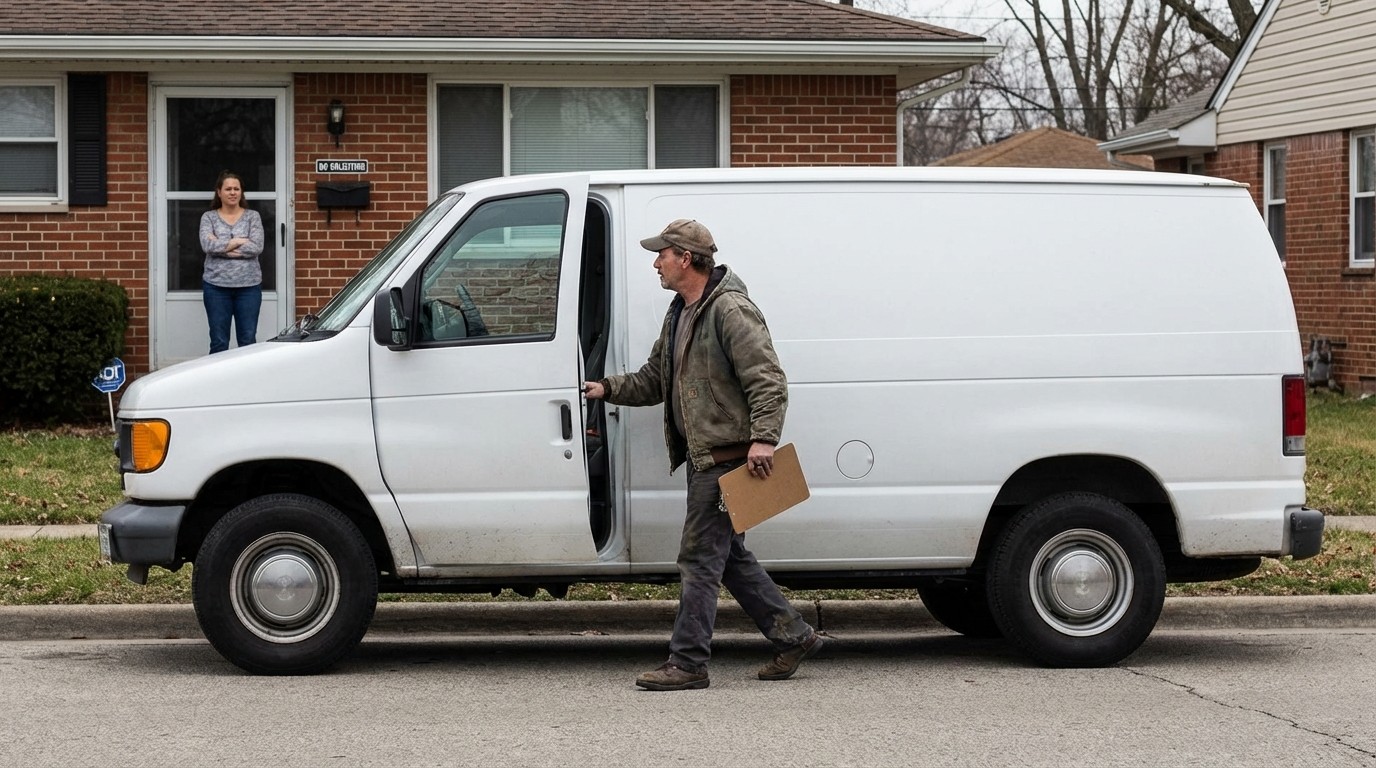
Storm chasers follow severe weather from town to town. They appear after hail or wind damage, work temporarily, then disappear. They have no local reputation or accountability.
Watch for temporary phone numbers and P.O. boxes instead of physical addresses. They often use the tactic "I was working on your neighbor's roof and noticed your damage." They pressure you to file insurance claims immediately.
According to industry data, 40% of storm-related roofing scams involve out-of-state storm chasers. These shady roofing contractors take deposits and move to the next storm-damaged town. You're left with an incomplete roof and no way to find them.
3. High-Pressure Sales Tactics
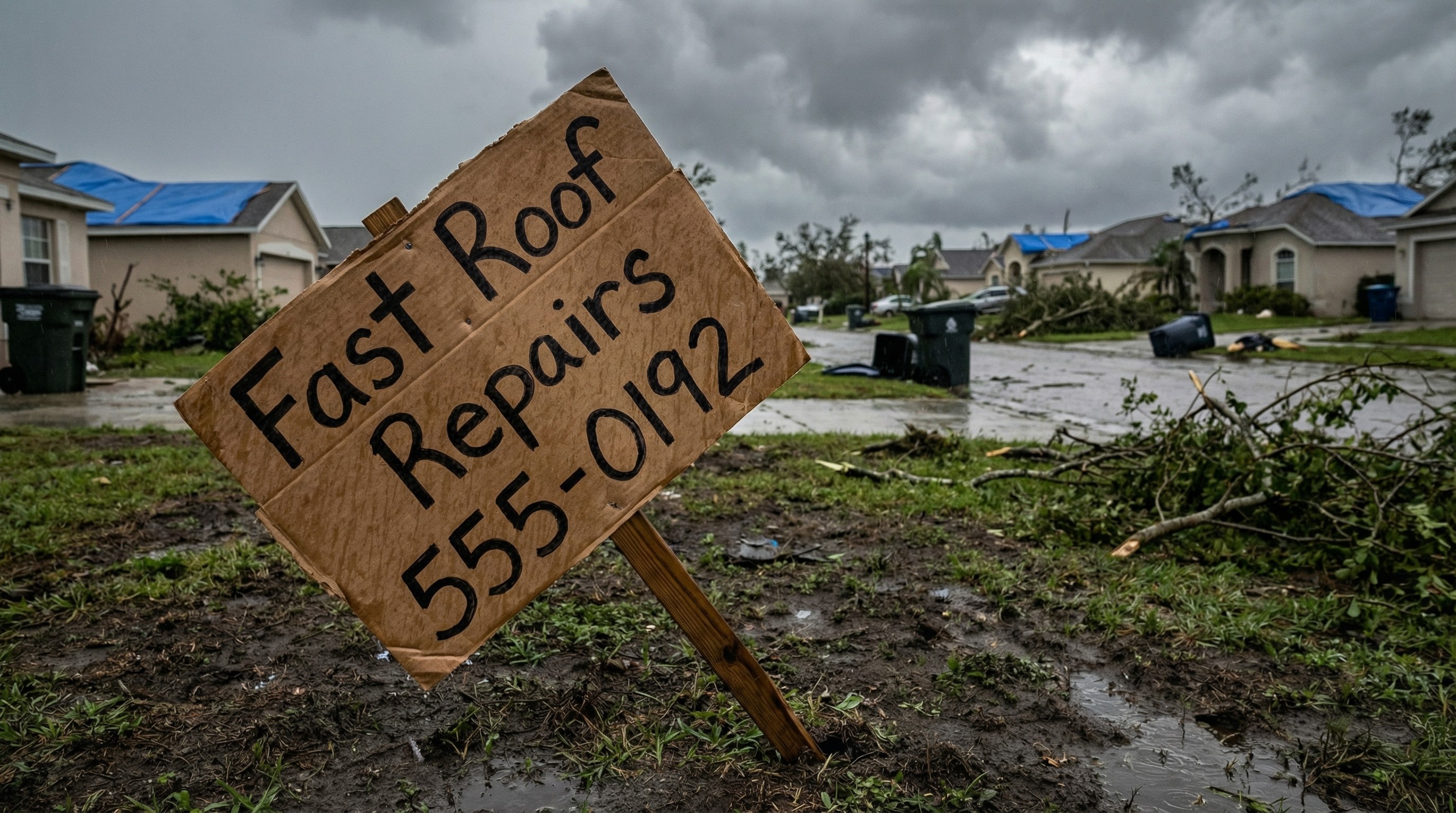
Legitimate roofers respect your decision timeline. They have scheduling backlogs because they're busy with quality work. They don't need to pressure you.
Bad contractors use urgency tactics. "This price is only good today." "I can start tomorrow" (why don't they have other jobs scheduled?). "Sign now or lose the discount."
Take your time. Get multiple quotes. Compare them carefully. Any contractor who demands an immediate decision is showing you their true colors. Good work doesn't require high-pressure sales.
4. Demands Large Upfront Payment
The industry standard is 10-25% deposit to order materials, 50% at the midpoint, and 25-40% at completion. This protects both you and the contractor.
If a roofer requests 50% or more before starting work, that's a red flag. The most common scam is taking the deposit and disappearing. Your money is gone, and your roof is still damaged.
Never pay more than 33% upfront. Legitimate contractors understand this protection. If they push back, they're planning to take your money and run.
5. No Written Estimate or Contract
Verbal agreements are unenforceable in court. Without a written contract, you have no legal protection. Most states require written contracts for work over $500-$1,000.
A proper contract includes scope of work, timeline, payment schedule, specific materials and brands, warranty terms, and permit requirements. If a contractor says "we'll work it out as we go," you're about to get scammed.
Read every contract carefully before signing. Make sure everything discussed verbally is written down. If it's not in writing, it doesn't exist.
6. Poor or Fake Online Reviews
Check multiple platforms: Google, Yelp, BBB, and Angi. Look for patterns in both positive and negative reviews. Real reviews mention specific details about the project.
Fake reviews have warning signs. All 5-star reviews with no criticism. Generic praise like "Great work!" with no details. Reviews posted on the same dates. No verified purchases or project details.
Ask for direct customer references and actually call them. Ask specific questions about timeline, communication, quality, and whether they'd hire the contractor again. Disreputable roofers won't have real references who tell you the truth.
7. Avoids Building Permits
Most roof replacements require building permits. Permits ensure code compliance and proper inspections. They protect you during home sales and insurance claims.
A contractor who says "we can skip the permit to save you money" is setting you up for problems. Without permits, your insurance can deny claims. Home inspectors will flag unpermitted work during sales. You might be forced to tear off the roof and start over.
Permits cost $200-$500 typically. The risk of skipping them can cost you tens of thousands. Always insist on proper permits.
8. Significantly Lower Prices
If one quote is 30-40% below others, something is wrong. Quality roofing has similar costs across legitimate contractors. Dramatic price differences mean corners are being cut.
Common shortcuts include inferior materials, uninsured workers, skipping underlayment, improper ventilation, and no permits. You might save money initially, but you'll pay double when the roof fails in five years instead of lasting 20.
Compare line-item quotes carefully. Make sure you're getting the same materials and scope of work. Sometimes a lower price is legitimate if they're using different products. Most times, it's a scam. To understand typical market rates in your area, use our roofing cost calculator for accurate price estimates based on your roof size and materials.

9. Won't Provide References
Legitimate contractors have satisfied customers who will vouch for them. Ask for 3-5 recent local jobs from the last six months. Call each reference and ask specific questions.
If a contractor says "all our customers are confidential" or makes excuses, they don't have happy customers. Quality work creates advocates. Lack of references means poor work or fraud.
When calling references, ask about timeline accuracy, communication, cleanup, quality, and problems. Ask if they'd hire the contractor again. Listen for hesitation in their answers.
10. Short or No Workmanship Warranty
The industry standard is 1-5 years for workmanship warranty. This is separate from material warranties, which come from manufacturers. If a contractor won't stand behind their work, they know it won't last.
Red flags include "we don't offer warranties," "30-day warranty only," or vague warranty terms. Quality contractors confidently warranty their work for years because they do it right.
Get warranty terms in writing. Understand what's covered and how to file claims. A strong warranty signals a contractor's confidence in their work.
How to Verify a Bad Roofing Contractor's Credentials Before Hiring
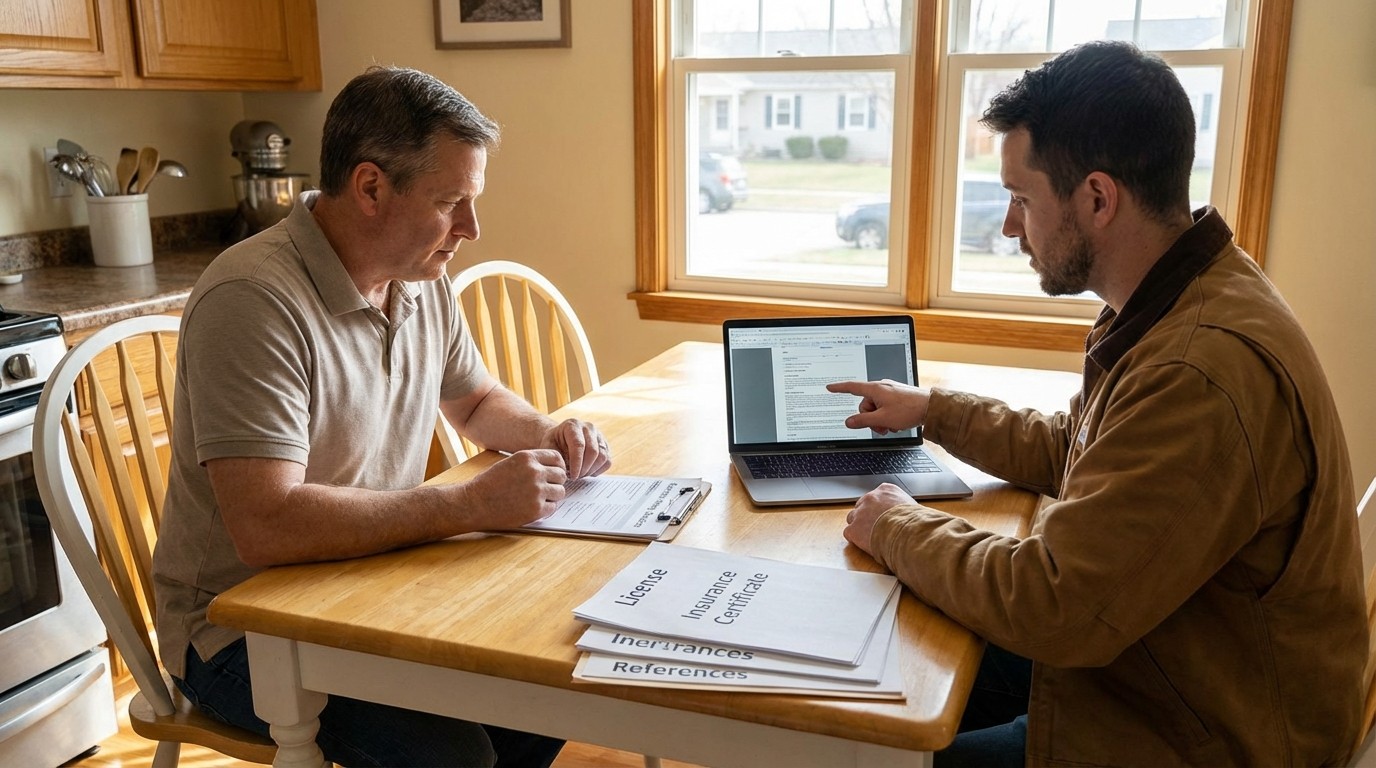
Verifying potential bad roofing contractors takes about 40 minutes. For a $10,000-$20,000 project, that's time well spent. Follow these steps:
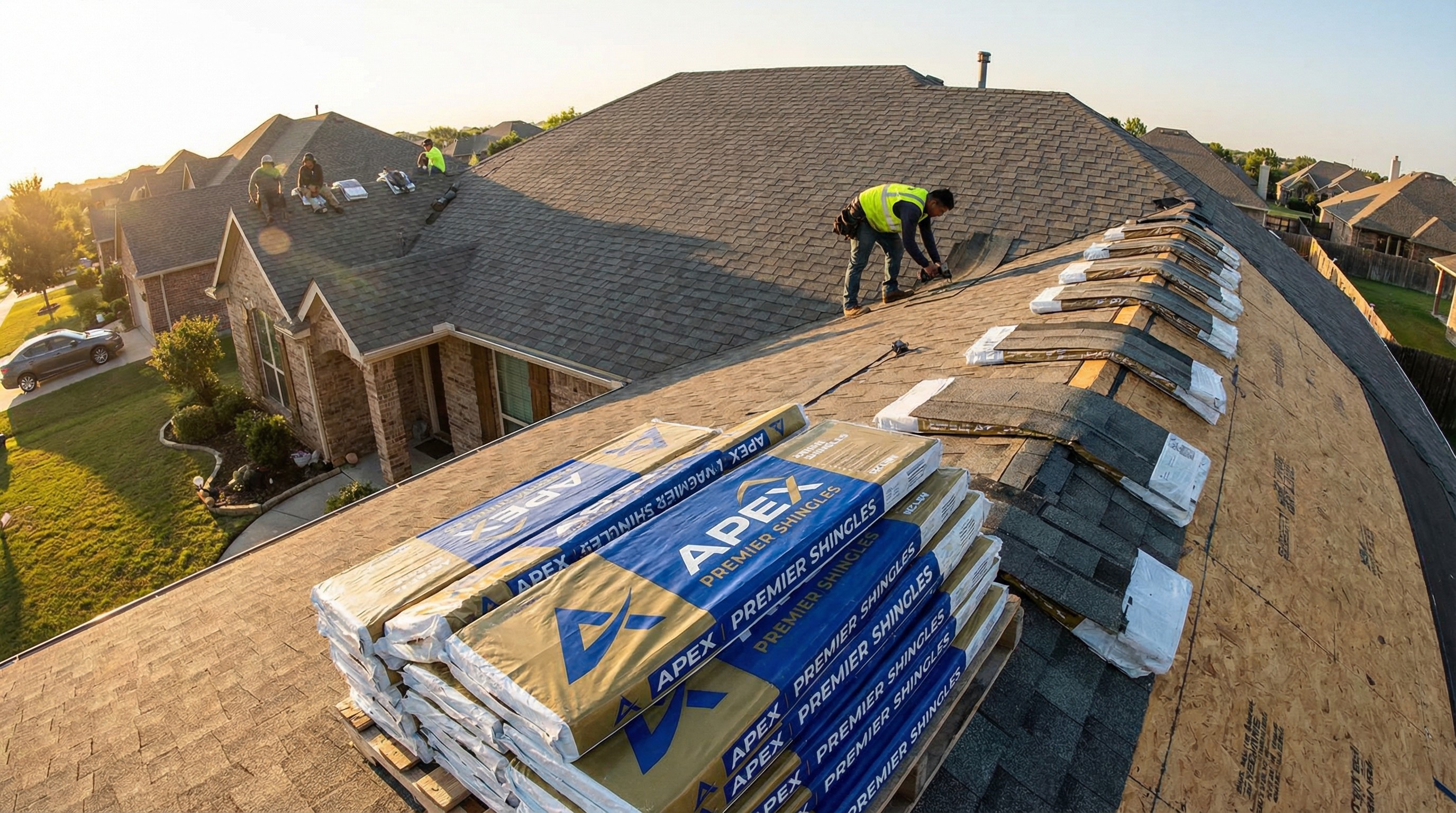
1. Check Contractor License (5 minutes)
Visit your state licensing board website (find your state's board here)
Verify active status and no disciplinary actions
Confirm business name matches
2. Verify Insurance Coverage (10 minutes)
Request Certificate of Insurance
Look for general liability ($1M minimum) and workers comp
Call insurance company directly to verify active coverage
Note: Scammers fake certificates
3. Review BBB Rating (5 minutes)
Visit BBB.org and search for company
Review rating, complaint history, and resolution record
Remember: BBB accreditation is paid membership, not quality guarantee
4. Read Online Reviews (15 minutes)
Check Google, Yelp, Angi, and Facebook
Look for patterns in complaints
Recent reviews matter more than old ones
5. Verify Physical Business Location (5 minutes)
Google the address to confirm it's not a P.O. box
Use Street View to confirm business exists
Call main number, not just a cell phone
Common Roofing Scams from Bad Contractors to Avoid
The storm chaser scam is the most common tactic used by bad roofing contractors. Contractors appear after storms with no local history. They pressure you to file insurance claims immediately. They take deposits and never return. The average cost is $8,000 per victim.
The fake damage scam involves "discovering" damage that doesn't exist. They use photos from other properties or actually create damage during inspections. Free inspections become fake damage reports designed to scare you into unnecessary work.
Bait-and-switch materials is harder to spot. The contractor quotes premium materials but installs cheap alternatives. Most homeowners can't tell the difference. The contractor saves $2,000-$5,000 while you get an inferior roof that fails early.
Insurance fraud puts you at legal risk. Fraudulent or unprofessional roofing contractors offer to "waive your deductible," which is illegal. They inflate insurance claims and use your insurance money without completing work. You're liable for insurance fraud, not just the bad contractor.
Incomplete job abandonment affects 20% of roofing complaints. The contractor starts work, takes partial payment, and disappears. Your roof is left vulnerable to weather. You're forced to hire someone else to finish, often paying twice for the same work.
What to Do If You've Hired a Bad Contractor
Document everything immediately. Take photos of all work, save every text and email, keep copies of contracts and payment receipts. This documentation is critical for legal action.
Stop all payments. Don't give them more money hoping they'll finish. Send written communication via certified mail detailing specific problems. Give them 10 business days to fix issues or face further action.
File a complaint with your state licensing board. This can result in license suspension and creates an official record. The board may facilitate mediation between you and the contractor.
File a BBB complaint to create a public record. The contractor may respond to protect their rating. Your complaint also warns other homeowners and shows patterns if others complain.
Contact their bonding company if they're bonded. The bond can pay for work completion or cover your losses. File a claim explaining the situation and providing your documentation.
For amounts under $5,000-$10,000 (varies by state), use small claims court. You don't need a lawyer, it's relatively fast, and you can recover your losses plus court costs.
For larger losses or complex issues, hire an attorney. Consumer protection laws may provide additional remedies. The FTC's home improvement consumer guide outlines your rights and legal options. If you win, the contractor may have to pay your legal fees in addition to damages.
Sometimes cutting your losses is smarter. If the contractor has no assets, legal action wastes time and money. It might be faster to hire a new contractor and move on.
How to Find Reputable Roofing Contractors
Avoiding bad roofing contractors starts with roofquotes.com for pre-vetted, licensed, and insured contractors. We verify credentials before contractors join our network. You save time and get competitive pricing.
Ask neighbors and friends who've had good roofing experiences. Local recommendations carry weight.
Check manufacturer networks like GAF Master Elite or Owens Corning Preferred contractors. These programs require higher standards. Not all quality roofers have these designations, but they're good indicators.
Look for National Roofing Contractors Association (NRCA) members. Membership requires commitment to industry standards and provides access to a directory of vetted professionals.
Get 3-5 written estimates and verify license and insurance for all contractors. Compare line-item quotes to ensure equivalent scope and materials.
Check references from all finalists. Review contracts carefully before signing.
The roofquotes.com advantage includes pre-verified licensing and insurance, up to five competitive quotes, line-item comparison format, escrow payment protection, and average savings of 15-20% through competition.
10 Questions to Ask Before Hiring a Roofing Contractor
Ask these 10 essential questions and verify answers independently:
"What is your contractor license number?" Write it down and verify it on your state licensing board website.
"Can you provide current insurance certificates?" Request them and call the insurance company to verify active coverage.
"How long have you been in business locally?" Look for five years or more in your community.
"Can you provide 3-5 recent local references?" Call them and ask detailed questions about their experience.
"Will you pull required permits?" The answer must be yes. Verify with your local building department if needed.
"What is your workmanship warranty?" Industry standard is 1-5 years. Get it in writing.
"Can you provide a written, itemized estimate?" Never accept verbal estimates or lump-sum quotes without details.
"What is the payment schedule?" Red flag if they want more than 33% upfront.
"Who will be doing the work?" Understand if it's employees or subcontractors and whether they're insured.
"What happens if there are problems after completion?" Listen for clear accountability and warranty enforcement.