Water dripping from your ceiling? You're not alone. Roof leak repair is a common concern for thousands of homeowners every year, especially after storms. If ignored, roof leak repair delays can cause over $10,000 in water damage to insulation, drywall, and structural framing.
The challenge most homeowners face is understanding what a fair price looks like. Quotes can range wildly, from a few hundred dollars to several thousand. You also need to know whether you can tackle the repair yourself or if professional help is required. Insurance coverage adds another layer of confusion.
This guide will help you understand transparent pricing for seven common leak types, step-by-step leak detection methods, clear DIY versus professional guidance, how to vet contractors, navigate insurance claims, and prevent future leaks. You'll finish with the knowledge to get quality repairs at fair prices.
Emergency Roof Leak Repair: Temporary Fixes
When your roof is actively leaking during a storm, you need immediate action to prevent interior damage. Place buckets under drips to protect flooring and furniture. Move valuables away from affected areas immediately.
If you can safely access the roof exterior, heavy-duty tarps can provide temporary protection. Secure tarps with wood strips, never nail through the existing roof. This prevents further water intrusion until professional roof leak repair can be completed. Emergency tarping typically costs $200 to $400 and can save thousands in water damage.
Apply temporary roof sealant only if conditions are safe and surfaces are dry enough for adhesion. Never attempt roof access during active storms due to slip hazards and lightning risk. Once weather clears, contact a professional for permanent roof leak repair solutions.
Call a licensed roofer within 24 to 48 hours of discovering the leak. Document all damage with photos and videos for insurance purposes. Quick response prevents minor leaks from becoming major structural problems.
How to Find a Roof Leak
Finding the exact source of a leak requires systematic inspection. Water doesn't always drip where it enters. It can travel 5 to 10 feet along rafters before showing inside your home.
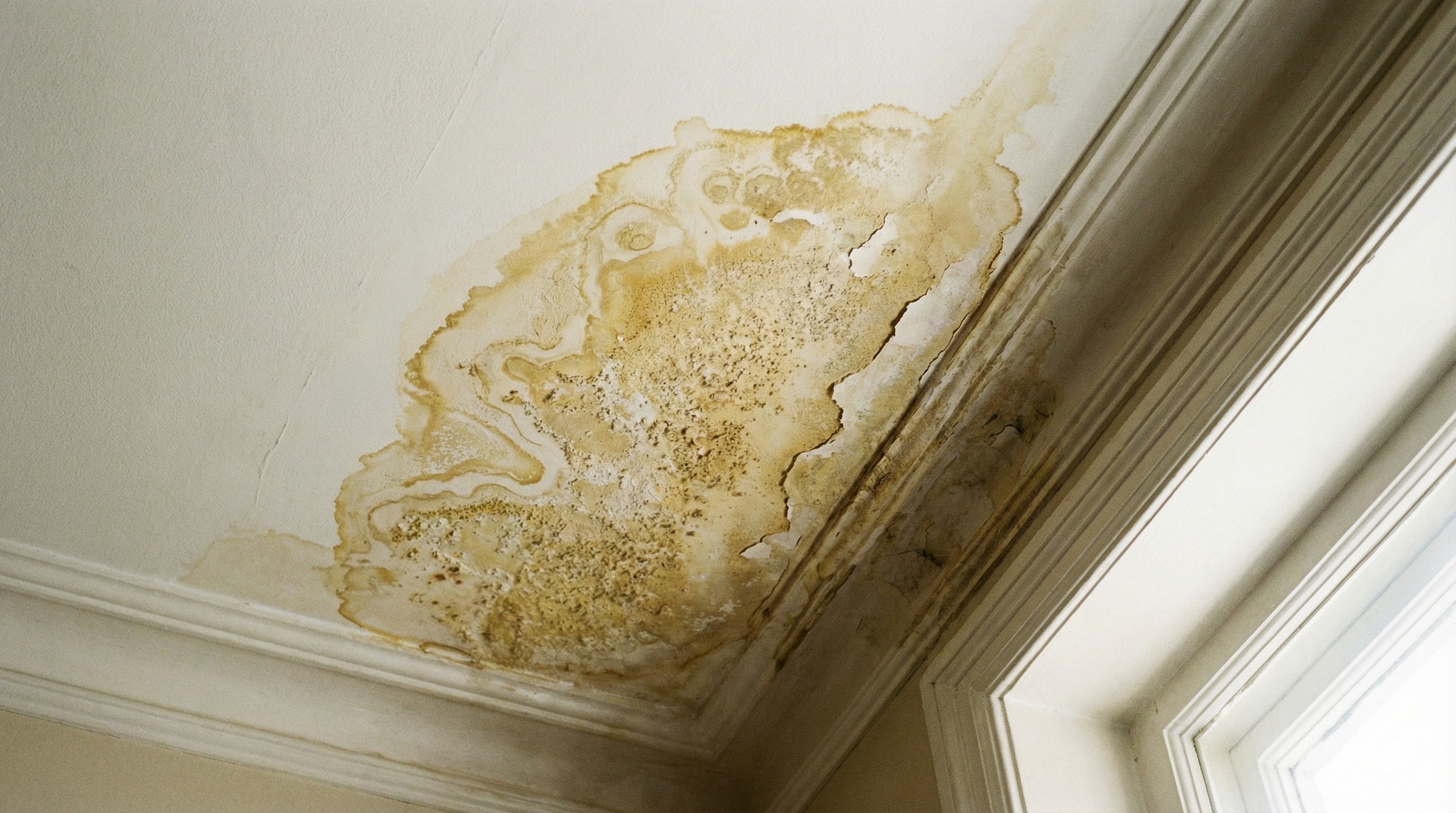
Start with interior signs. Look for water stains on ceilings, which appear as brown or yellow rings. Peeling paint indicates moisture behind drywall. Musty odors suggest hidden water accumulation and potential mold growth. Sagging drywall means severe water damage requiring immediate attention.
Inspect your attic during or immediately after rain. Use a flashlight and wear protective clothing. Look for water stains on rafters and decking, daylight visible through the roof, wet or compressed insulation, and dark spots on wood indicating mold or rot. Mark leak locations with chalk for later reference.
For exterior inspection, use binoculars from the ground first. Check valleys where water concentrates, roof penetrations like vents and pipes, edges and eaves for ice dam damage, and flashing around walls and dormers. If you have a steep roof over 6:12 pitch or a two-story home, get your roof inspected by a professional rather than risking a fall.
The water spray test method works when the leak location is uncertain. You'll need a garden hose and a helper inside. Start at the bottom of the suspected area and spray for 5 to 10 minutes per section. Move upward slowly while your helper watches for interior drips. Results may take several minutes as water penetrates layers.
If you've tried these detection methods and still can't locate the source, consider scheduling a professional roof inspection to identify hidden damage.
After finding the source, check our storm damage assessment checklist to document all related damage.
Common Causes of Roof Leaks
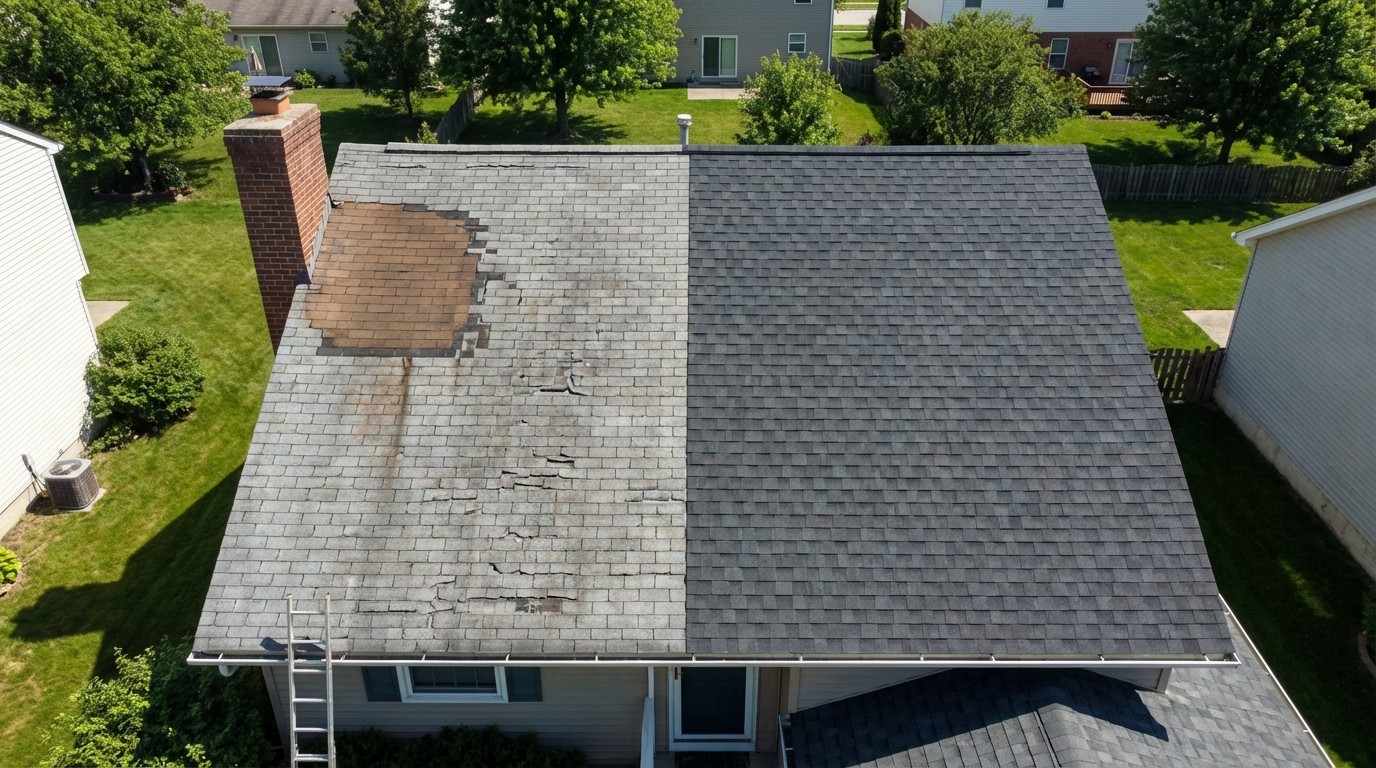
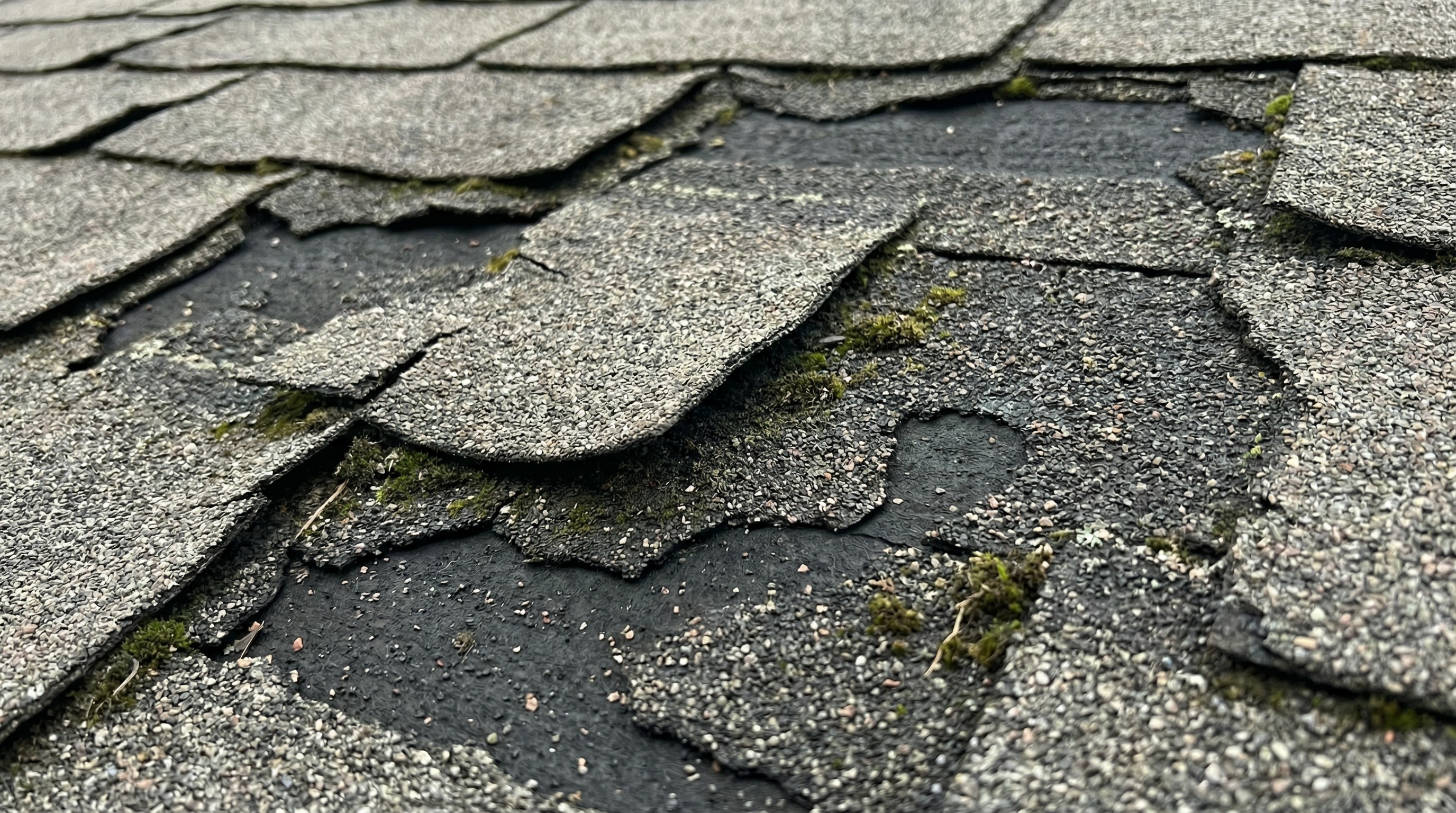
Understanding what causes leaks helps you prevent future roof leak repair needs. Storm damage from wind over 50 mph can lift and remove shingles. Hail creates dents and cracks in roofing materials. Fallen tree branches puncture or tear the roof surface.
Age-related deterioration happens naturally. Asphalt shingles become brittle after 15 to 20 years. Understanding your roof's expected lifespan helps you plan proactive replacement. UV exposure breaks down protective granules. Temperature fluctuations cause expansion and contraction that loosens fasteners.
Poor installation creates immediate vulnerabilities. Improperly sealed flashing allows water intrusion. Insufficient underlayment provides inadequate waterproofing. Nails driven through high points instead of seal lines create entry points for moisture.
Lack of maintenance accelerates wear. Clogged gutters cause water backup under shingles. Overhanging branches rub against shingles, wearing them down. Debris accumulation traps moisture against the roof surface.
Ice dams form when heat escapes through inadequate attic insulation. Snow melts, runs down to cold eaves, and refreezes. The ice barrier forces water under shingles. This common winter problem affects homes in cold climates and requires proper attic ventilation to prevent.
Understanding these causes helps you identify your specific roof leak repair needs and take preventive action.
Roof Leak Repair Costs (2026 Pricing)
Average Roof Leak Repair Costs by Type (2026):
Most roof leak repairs cost between $500 and $1,500, depending on the type of leak and complexity. Here's a breakdown of common repair costs according to HomeAdvisor data from 2026. The full cost spectrum ranges from $150 for minor shingle replacement to $4,000 for complex chimney or skylight work.
Several factors impact your final price. Labor costs range from $45 to $75 per hour depending on your region and contractor experience. Material costs vary by type. Standard shingles run $30 to $50 per bundle while flashing pieces cost $15 to $30 each.
Roof accessibility significantly affects pricing. Steep pitch roofs over 6:12 add 15% to 25% to labor costs. Two-story homes increase costs by 10% to 20%. Hard-to-access areas like tight valleys or complex roof lines add 20% to 30%.
The extent of damage determines repair complexity. Isolated leaks cost less to fix. Multiple leak sources require comprehensive assessment and higher investment. Structural damage to decking or framing significantly increases total project cost.
Geographic location matters for roof leak repair pricing. Urban areas typically have higher labor rates than rural regions. Seasonal pricing fluctuates, with emergency same-day service costing 20% to 30% more than scheduled repairs.
Here's what you can expect to pay for common repairs:
Leak Type | Cost Range | Repair Time | DIY Possible? |
|---|---|---|---|
Missing Shingles | $200-$500 | 1-3 hours | Sometimes |
Pipe Boot Failure | $750-$1,250 | 2-4 hours | No |
Nail Pops | $325-$550 | 1-2 hours | Sometimes |
Chimney Leaks | $500-$4,000 | 4-8 hours | No |
Valley Leaks | $1,550-$3,200 | 1-2 days | No |
Flashing Problems | $1,750-$3,800 | 4-6 hours | No |
Skylight Leaks | $2,125-$4,300 | 1-2 days | No |
Understanding these costs helps you evaluate quotes and spot unfair pricing. Get multiple estimates to ensure you're paying market rate for quality roof leak repair work.
DIY Repair vs Hiring a Professional
Some roof leak repairs are safe for homeowners to tackle. Others require professional expertise and equipment. Making the right choice protects both your safety and your investment.
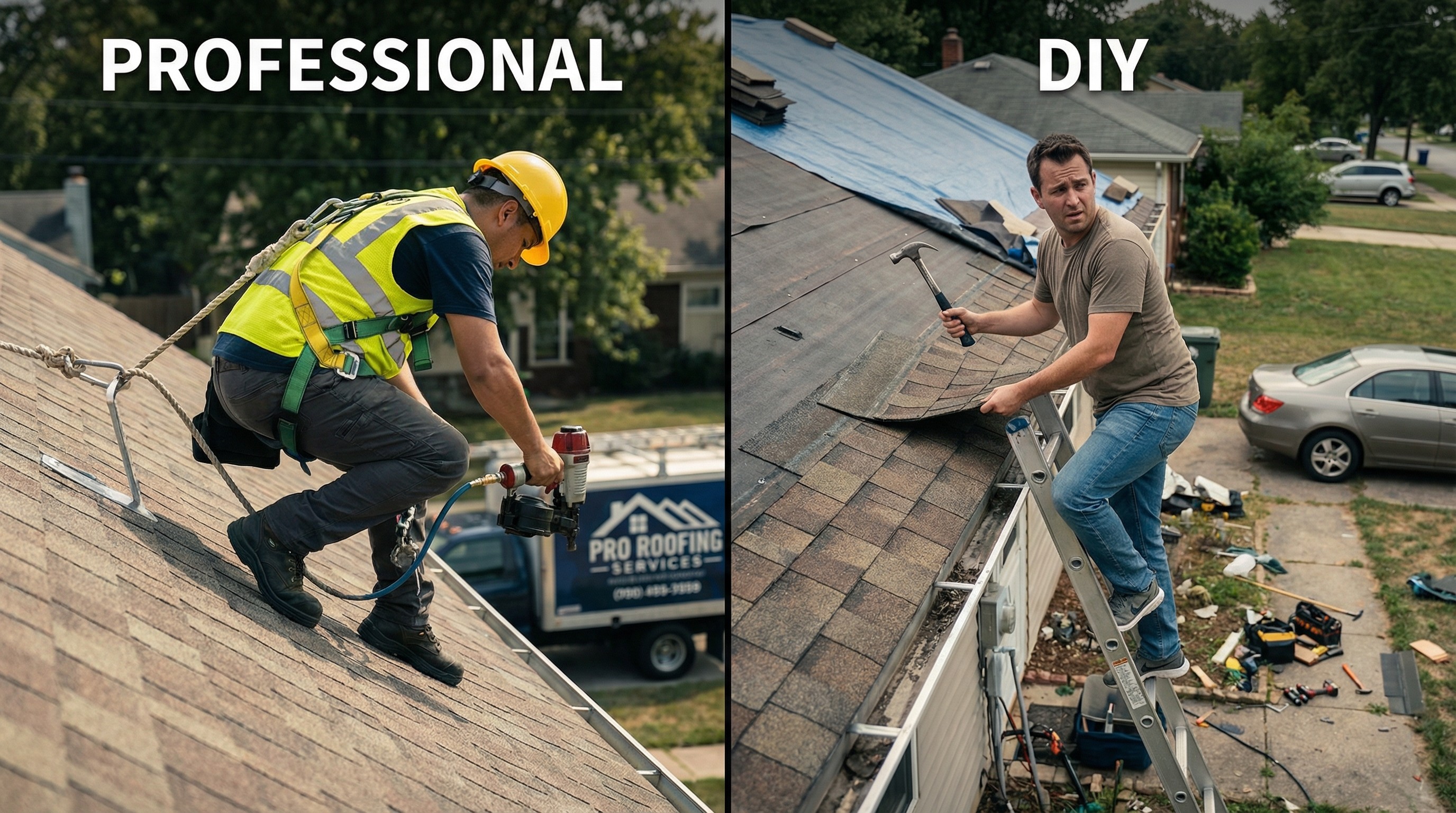
You can handle DIY repairs for missing 1 to 3 shingles on low-slope roofs under 4:12 pitch on single-story homes. Minor flashing repair using roof sealant works as a temporary fix. Small roof sealant applications for emergency patches and caulking around vents for non-structural repairs are within reach for handy homeowners.
You'll need specific skills. Be comfortable working at heights. Understand basic roofing principles. Operate ladders safely with 3-point contact. Have proper safety equipment including harness and non-slip shoes.
Required tools include a flat pry bar, roofing nails, hammer, utility knife, roof cement or sealant, replacement shingles, and caulk gun. DIY shingle replacement saves $150 to $250 in labor but requires $50 to $75 in tools.
However, DIY roof work voids most manufacturer warranties. Confirm your warranty status before proceeding. Falls from roofs cause over 150,000 injuries annually according to OSHA data.
Call a professional roof repair service when you face multiple leak sources requiring comprehensive assessment. Structural damage like sagging, rotten decking, or compromised framing needs expert evaluation. Steep roofs over 6:12 pitch present significant fall risk. Two-story or taller homes increase danger exponentially.
When in doubt, call a professional. The $200 to $1,500 investment in expert roof leak repair prevents $5,000 to $10,000 in water damage and failed DIY repairs.
7 Most Common Roof Leaks and What They Cost to Fix
Understanding specific leak types helps you identify your problem and budget appropriately for professional roof leak repair.
1. Missing or Damaged Shingles ($200-$500)
Storm damage or age-related wear causes shingle loss. Wind over 50 mph can lift shingles. The number of affected shingles impacts cost. Replacing 1 to 5 shingles costs $200 to $300. Six to 15 shingles run $300 to $500.
Matching existing shingles requires the same manufacturer and color. Repairs take 1 to 3 hours. This is one of the few repairs homeowners can tackle themselves if they have proper safety equipment.
2. Pipe Boot Failures ($750-$1,250)
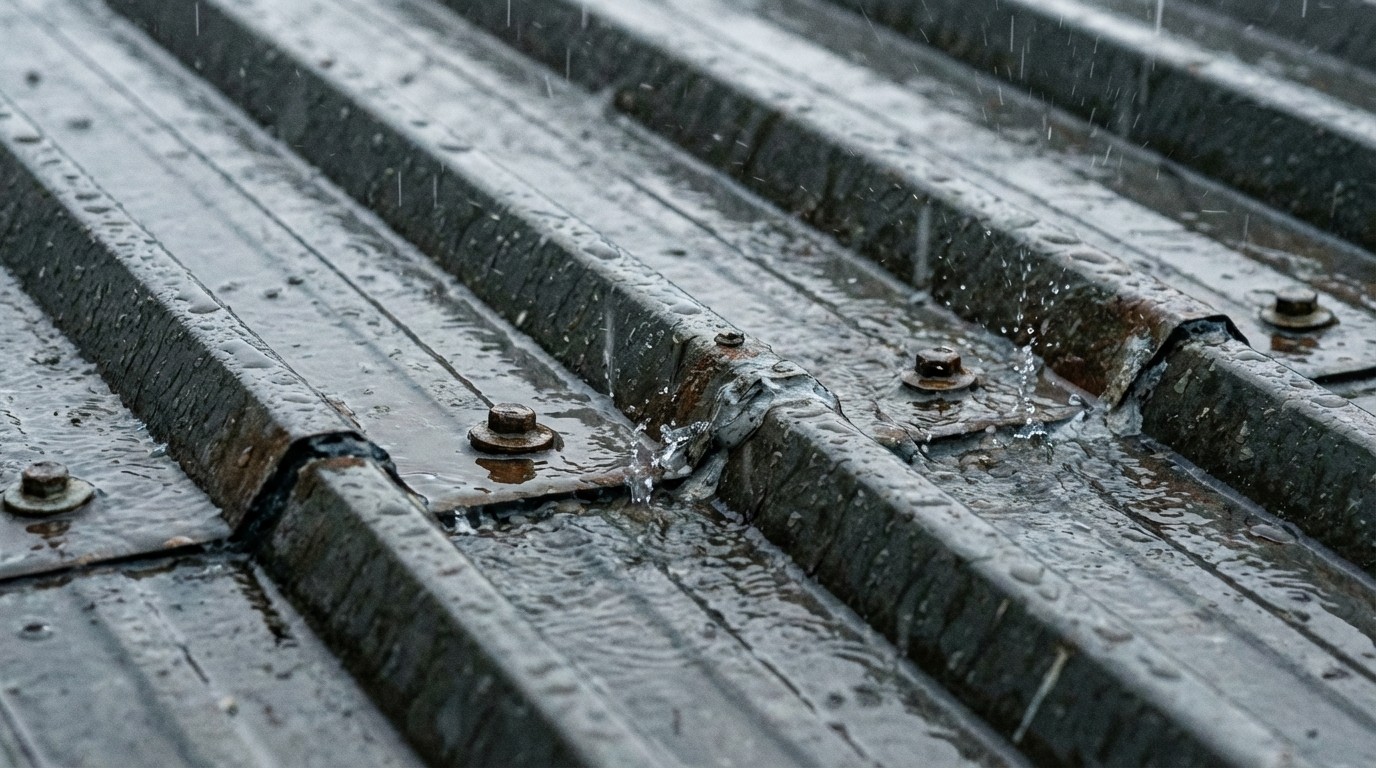
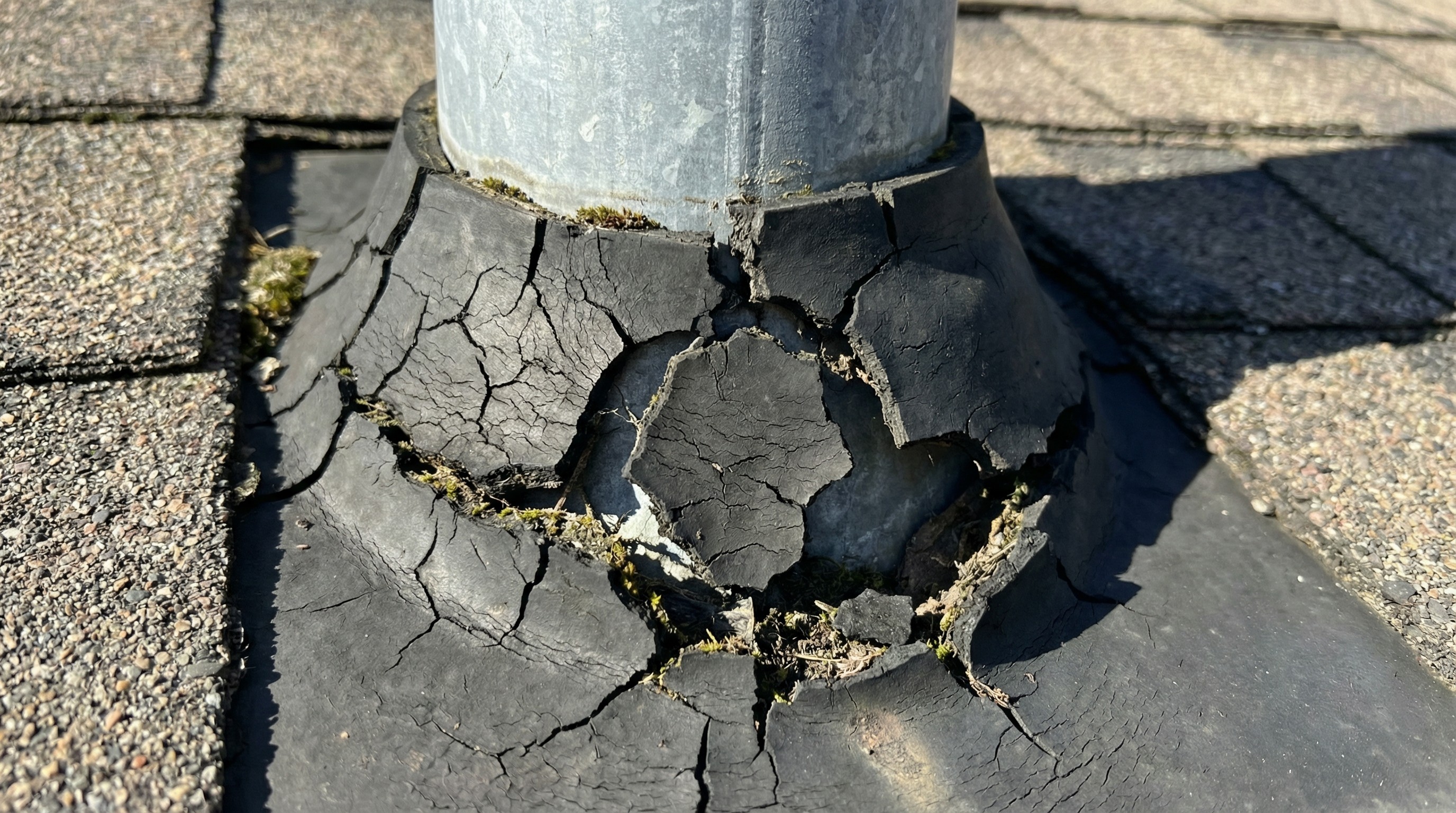
Rubber seals around plumbing vents deteriorate from UV exposure and temperature extremes. Pipe boots typically last 7 to 15 years. This is the second most common leak source after missing shingles. Professional installation ensures waterproof results.
3. Chimney Leaks ($500-$4,000)
Multiple causes create chimney leaks. Flashing deterioration is most common. Crown repair runs $1,000 to $3,000. When damage exceeds 20% of the chimney structure, replacement makes more sense than repair.
4. Valley Leaks ($1,550-$3,200)
Valleys concentrate water flow, making them vulnerable to accelerated wear. Metal valley replacement costs $1,550 to $2,200. Complete valley rebuild reaches $2,500 to $3,200. Valley leaks spread quickly to interior walls, requiring immediate attention.
5. Flashing Problems ($1,750-$3,800)
Roof-to-wall flashing runs $1,750 to $2,500. Vent flashing costs $800 to $1,200. Skylight flashing ranges from $2,125 to $4,300. Flashing repairs require precise installation. DIY attempts typically fail within 1 to 2 years.
6. Skylight Leaks ($2,125-$4,300)
Seal replacement costs $2,125 to $2,800. Full skylight replacement runs $3,500 to $4,300. If your skylight exceeds 15 years and leaks, replacement typically delivers better long-term value.
7. Nail Pops ($325-$550)
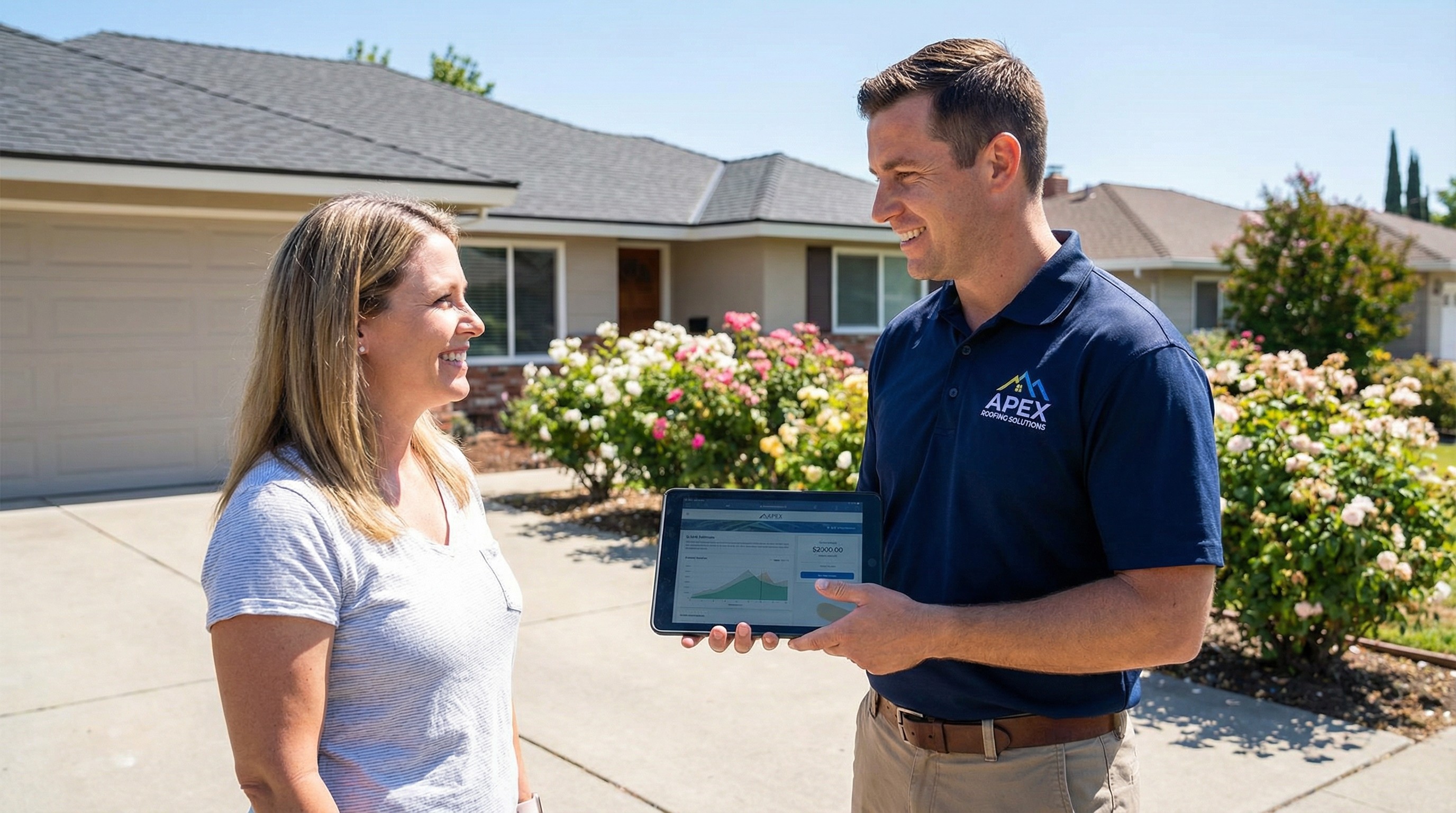
Individual nail pops cost $25 to $40 each. Multiple nail pops may indicate deck problems requiring further investigation. The $550 high-end estimate covers 15 to 20 nail pops.
How to Choose a Roof Leak Repair Contractor
Selecting the right contractor protects your investment and ensures quality work. Start with essential verifications. Verify the contractor license through your state database. Confirm liability insurance with $1 million minimum coverage. Request a certificate of insurance directly from their carrier.
Ask for 3 to 5 references from recent local jobs. Check Google, Yelp, and Better Business Bureau reviews. Look for consistent quality feedback across sources.
Demand written estimates with line-item breakdowns. Labor should be separated from materials. Specific products and brands must be listed.
Examine warranty coverage carefully. Workmanship warranties should last 1 to 5 years minimum. Get written warranty documentation before work begins.
Avoid immediate disqualifiers. Never pay 100% upfront. Industry standard involves 10% to 25% deposit, 50% at materials delivery, and final 25% to 40% upon completion. Storm chasers who appear after severe weather and disappear after deposits cost homeowners $10 to $20 million annually.
Insurance Coverage for Roof Leak Repair Costs
Homeowners insurance typically covers roof leak repair caused by sudden, covered perils. Wind damage over 50 mph, hail, fallen trees, fire, lightning strikes, and vandalism usually qualify for coverage.
Insurance does not cover wear and tear from aging or gradual deterioration. Poor maintenance and neglected repairs void coverage. Flood damage requires separate flood insurance policies.
Coverage type significantly impacts your payout. Replacement Cost Value pays full repair or replacement cost without depreciation deduction. Actual Cash Value pays replacement cost minus depreciation based on age and condition.
For example, a 15-year-old roof damaged by hail might receive full $12,000 replacement under RCV coverage. Under ACV coverage, you'd only receive $6,000 after 50% depreciation deduction.
File claims within 24 to 48 hours of discovering damage. Document everything with photos and videos. Mitigate further damage by placing tarps over roof openings. Get professional inspection from a licensed roofer.
Most claims process within 30 to 60 days.
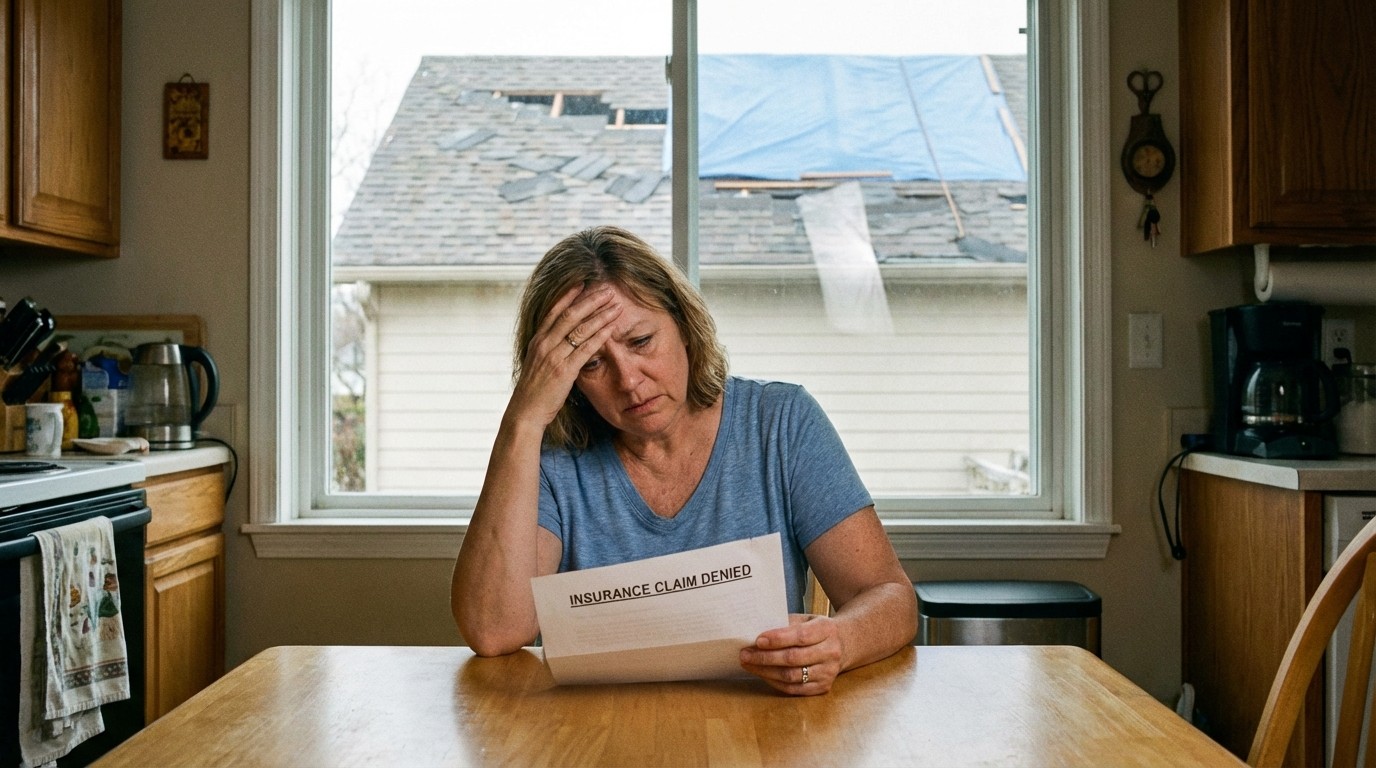
Consider hiring a public adjuster when claims get denied unfairly or settlements seem unreasonably low. Public adjusters work for homeowners, not insurance companies. They charge 5% to 15% of the settlement but can increase payouts by 20% to 30%.
Roof Leak Prevention Tips
Preventive maintenance reduces emergency roof leak repair costs by 60% to 70%. Homeowners who invest $300 to $500 annually in prevention avoid expensive emergency repairs.
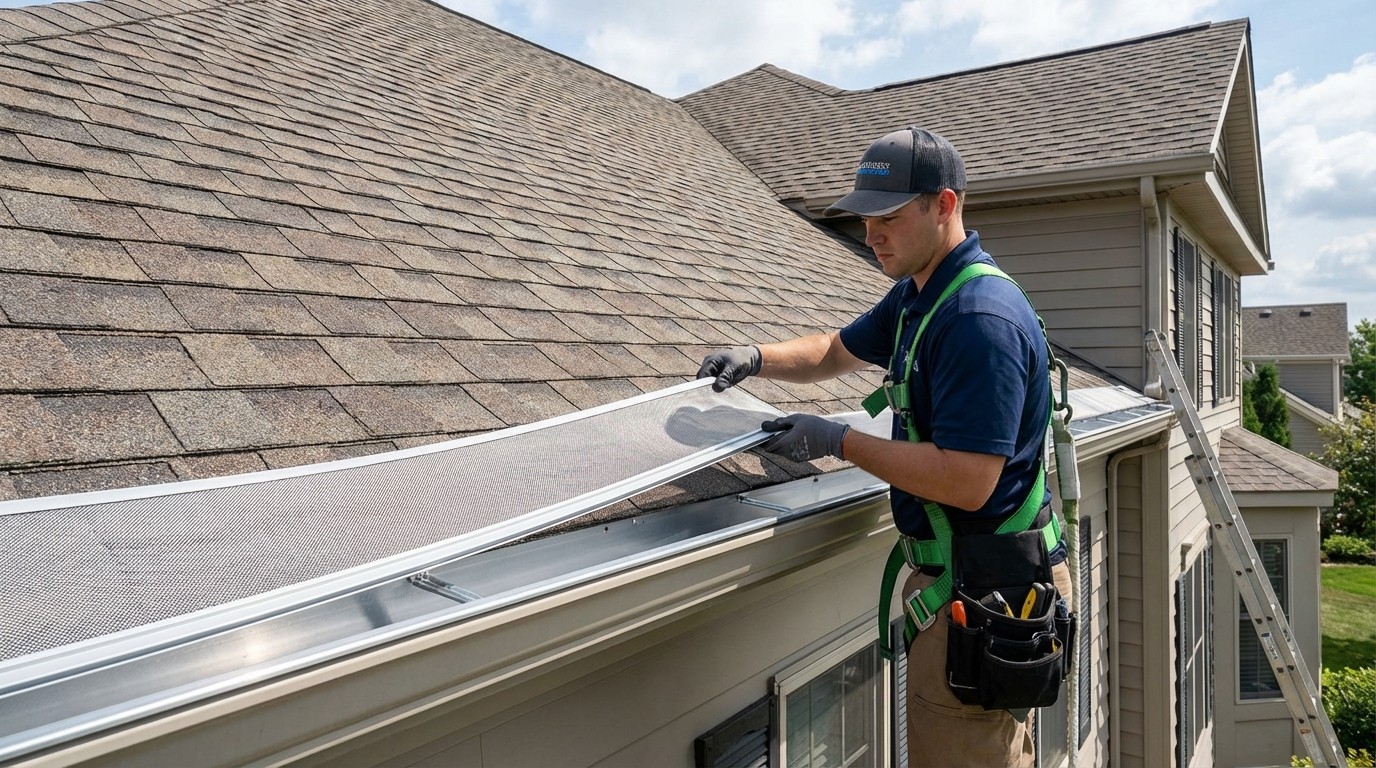
Conduct annual inspections each spring and fall. Professional inspections cost $150 to $300 and catch problems early. Clean gutters quarterly to prevent water backup. Trim overhanging branches to prevent shingle damage.
Replace worn pipe boots before they fail. Inspect rubber boots every 5 years. Replace boots at 10 to 12 years proactively. Replacement costs $750 to $1,250 per boot but prevents interior water damage.
Maintain proper attic ventilation to reduce heat and moisture buildup. Address minor issues immediately before they escalate. A $200 repair today prevents a $5,000 emergency roof leak repair later.