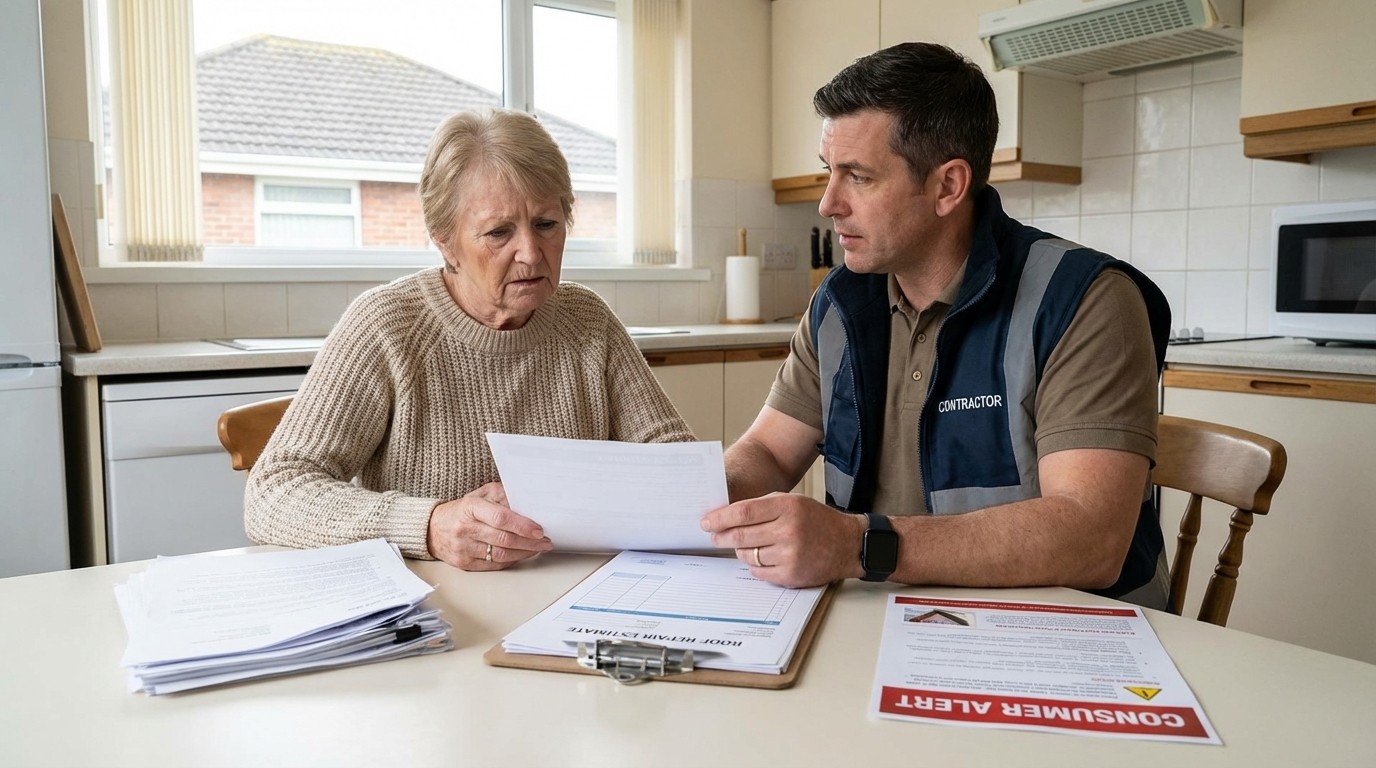
Every year, thousands of homeowners lose money to dishonest roofing contractors. The scams cost Americans millions annually, and they follow remarkably consistent patterns.
Understanding how roofers rip you off is not about becoming paranoid. It is about knowing what normal looks like so you can spot red flags before handing over your money.
The roofing industry attracts both honest professionals and opportunistic scammers. The problem is they can look identical until you know what questions to ask. Understanding how roofers rip you off helps you spot the difference. A contractor with a clean truck and confident pitch might still disappear with your deposit tomorrow.
The good news is that fraud follows patterns. Once you learn how roofers rip you off using these common tactics, protecting yourself becomes much easier. This guide breaks down the eight most common scam tactics, the warning signs that appear in real conversations, and the specific steps that actually protect you.
How Roofers Rip You Off: 8 Common Scam Tactics
Dishonest contractors follow a predictable playbook. Here are the eight ways roofers rip off homeowners most frequently.
Demanding Full Payment Upfront
A legitimate roofer asks for 10 to 25 percent upfront to cover initial materials and scheduling. Anything over 30 percent should raise questions.
When roofers demand 50 percent or more before starting work, you are looking at a major red flag. Some ask for full payment upfront, claiming they need to buy all materials in advance. This is how roofers rip you off most blatantly.
The scam works because your money disappears before you realize there is a problem. The contractor might show up for a day or two, tear off some shingles, then vanish. Or they never come back after that first check clears.
Smart homeowners follow a simple rule. Pay a small deposit to start, following standard roofing payment schedules, a progress payment when materials arrive, and the final balance only after the job passes inspection and you are satisfied.
Storm Chasers and Door-to-Door Sales
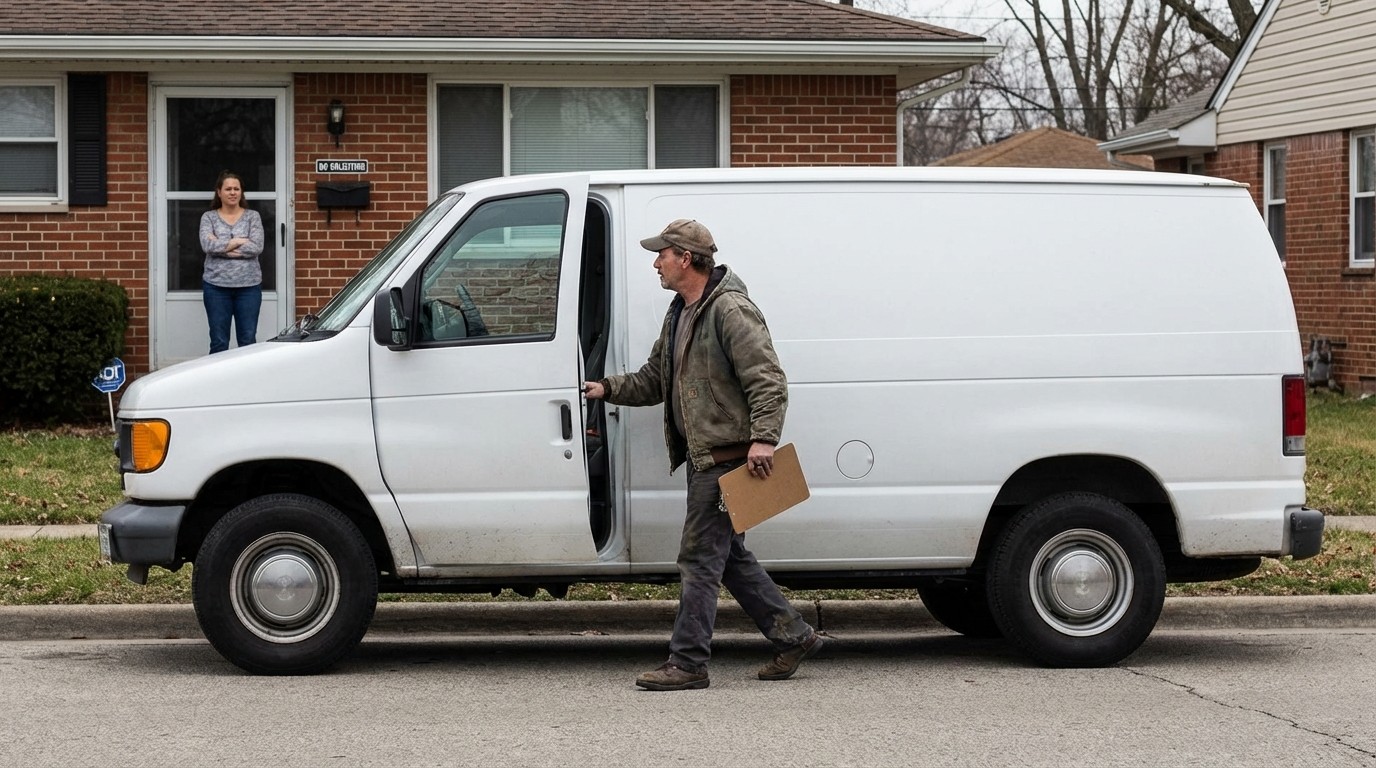
After major storms, out-of-state contractors flood affected neighborhoods. These storm chasers operate on volume. They sign as many contracts as possible, do rushed work, then leave before problems surface.
The most aggressive storm chasers use fear tactics. They tell you they spotted damage from the street. Your roof is failing. If you wait, insurance might deny your claim. The urgency is fake, designed to prevent you from getting competing bids.
This is one of the most common ways roofers rip you off after weather events. Stick with local contractors who have been in your area for years, not companies that registered two weeks after the storm.
No Written Contract or Vague Terms
A contractor gives you a price and promises to start Tuesday. You shake hands. No paperwork. No written estimate. Just a verbal agreement.
This is how disputes happen. Without a written contract, you have no protection when they use wrong materials or the timeline drags. When unexpected costs appear, you are stuck negotiating from weakness.
Legitimate companies provide detailed written contracts before starting work. The document specifies exact materials, dates, payment schedule, and what happens if they find unexpected damage.
If a contractor resists putting terms in writing, this is one way roofers rip you off by maintaining flexibility to change terms whenever it benefits them. Get everything in writing before you agree to anything. Learn more about how to read a roof estimate to understand what should be included.
High-Pressure Sales Tactics and Fake Urgency
The quote seems reasonable. Then comes: "I can only offer this price if you sign today." Or: "Your roof is in worse shape than I thought. You need this done immediately."
These pressure tactics eliminate your thinking time. The goal is getting you to sign before you can get competing quotes or research their company.
Real contractors understand a new roof costs $15,000 or more. They expect you to take time deciding. They encourage multiple quotes and answer questions patiently. Learning how roofers rip you off with false urgency helps you recognize when pressure tactics are being used.
The "special discount that expires today" is a classic tactic. The discount is not real. If you call tomorrow, the price will be the same because they need your business.
Never let anyone pressure you into signing a roofing contract the same day you receive the quote.
Bait and Switch on Pricing and Materials
The initial quote comes in $3,000 below other bids. You sign and hand over the deposit. On day two, the contractor calls. The decking has water damage that was not visible during inspection. Repairs will add $4,500. Your $12,000 project just became $17,700.
This is how roofers rip you off using bait and switch. They hook you with an unrealistically low price, then pile on "necessary" additions once you are committed.
A related version involves material substitution. Your contract specifies premium shingles. The crew installs cheaper products instead. Most homeowners cannot tell the difference from the ground.
Protect yourself with detailed material specifications in writing. Check labels when materials arrive. For large projects, have an independent inspector verify decking condition before tear-off begins.
Skipping Permits and Inspections
Pulling permits costs money and requires inspections that catch code violations. Dishonest contractors skip permits to save time and avoid oversight.
This creates serious problems. Unpermitted work violates building codes, can void insurance, and creates issues when you sell your home. If workers get injured and the contractor lacks insurance, you might be liable. Understanding how roofers rip you off by skipping permits helps you avoid these legal and financial risks.
This seems like a small shortcut but creates enormous headaches later. Always verify your contractor pulls required permits. A legitimate contractor handles permitting as part of the job.
Using Cheap or Mismatched Materials
You paid for premium shingles with a 30-year warranty. What actually went on your roof? You have no idea, because you cannot read labels from the ground.
Some contractors substitute cheaper materials than your contract specified. Others use leftover materials from previous jobs that might be damaged, mismatched, or degraded.
This is one of the sneakier ways roofers rip you off because detection is difficult. Protect yourself by being present when materials arrive. Ask to see packaging and labels. Verify brand, style, and color match your contract exactly.
Inflating Insurance Claims and Deductible Offers
After storm damage, some contractors offer to "cover your deductible." This is insurance fraud. The contractor inflates the claim to cover your deductible plus their profit.
You can face serious consequences. Your policy might get canceled. The insurance company can deny the claim and demand repayment. In some states, insurance fraud is a felony. Knowing how roofers rip you off through insurance scams protects you from serious legal trouble.
This tactic turns you into an unwitting participant in fraud. Never let a contractor offer to pay your deductible. Work with your insurance company directly.
Warning Signs That Show How Roofers Rip You Off
Beyond specific scams, certain behaviors indicate an untrustworthy contractor. These red flags show up in communication patterns and responses to basic questions.
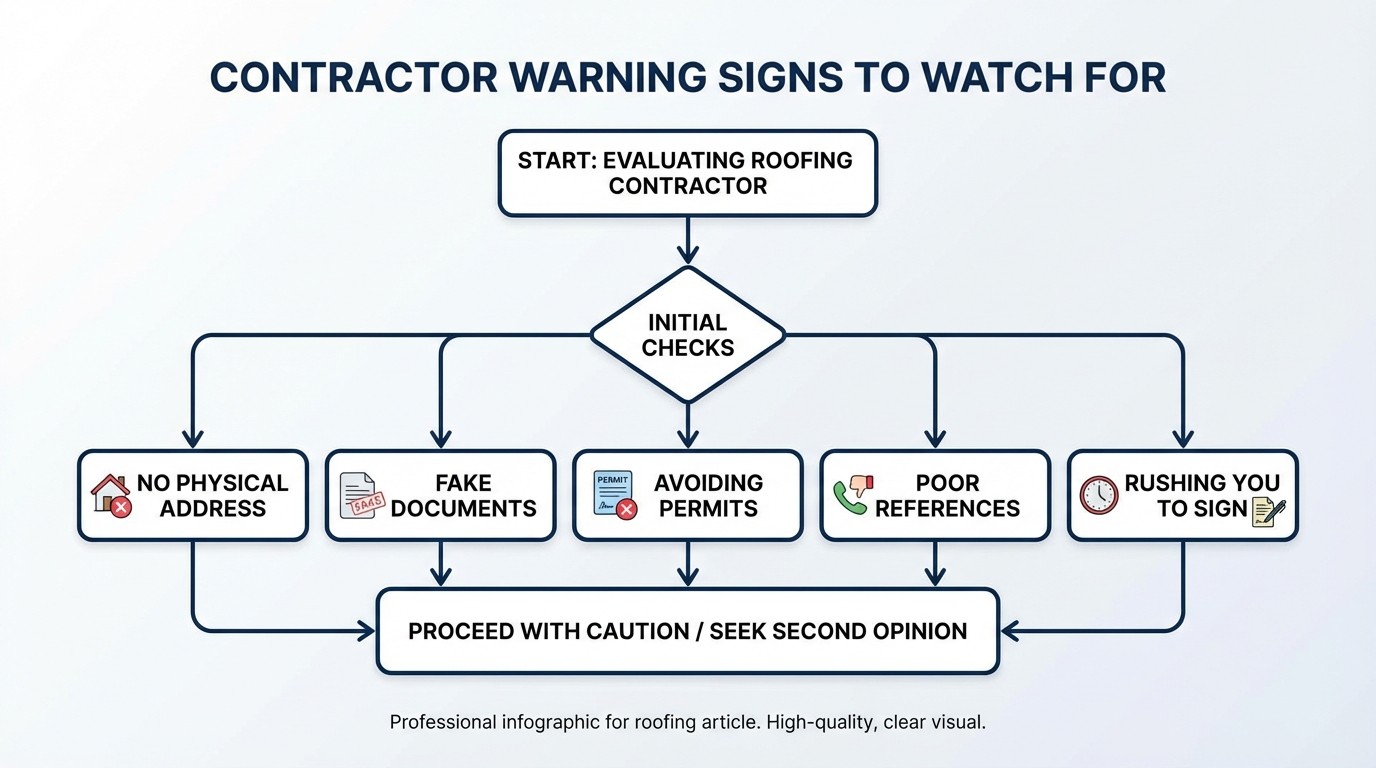
A contractor who operates from a truck with an out-of-state plate and provides only a cell phone number is hard to track down. Legitimate companies have physical office locations and local phone numbers.
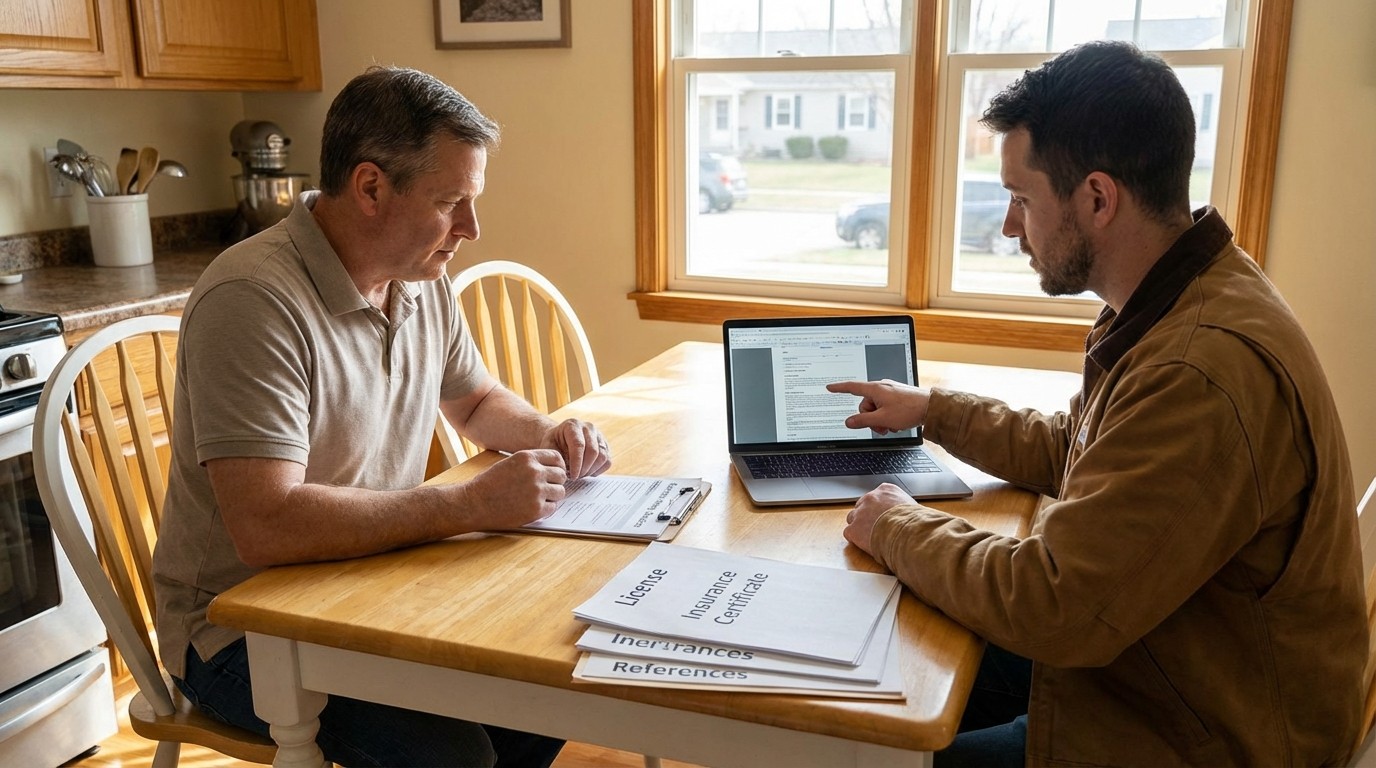
Ask to see contractor license and insurance certificates. Then verify them independently. Call your state licensing board with the license number. Call the insurance company to confirm coverage is active. Scammers provide fake certificates that look legitimate.
Watch for contractors who ask you to pull the building permit yourself. This is their responsibility. Passing it to you suggests they lack proper licensing or want to avoid official records.
Pay attention to how they respond when you ask for references. Use these questions to ask a roofer during the interview process. Legitimate companies happily provide names and numbers of recent local customers. Hesitation or excuses are warning signs.
One of the subtler ways roofers rip you off is making you feel uncomfortable asking normal questions. They act offended when you ask to verify their license. They sigh when you want things in writing. Any contractor who resists reasonable due diligence is telling you to hire someone else.
How to Verify a Roofing Contractor Is Legitimate
Protecting yourself from how roofers rip you off starts with thorough verification before you sign anything.
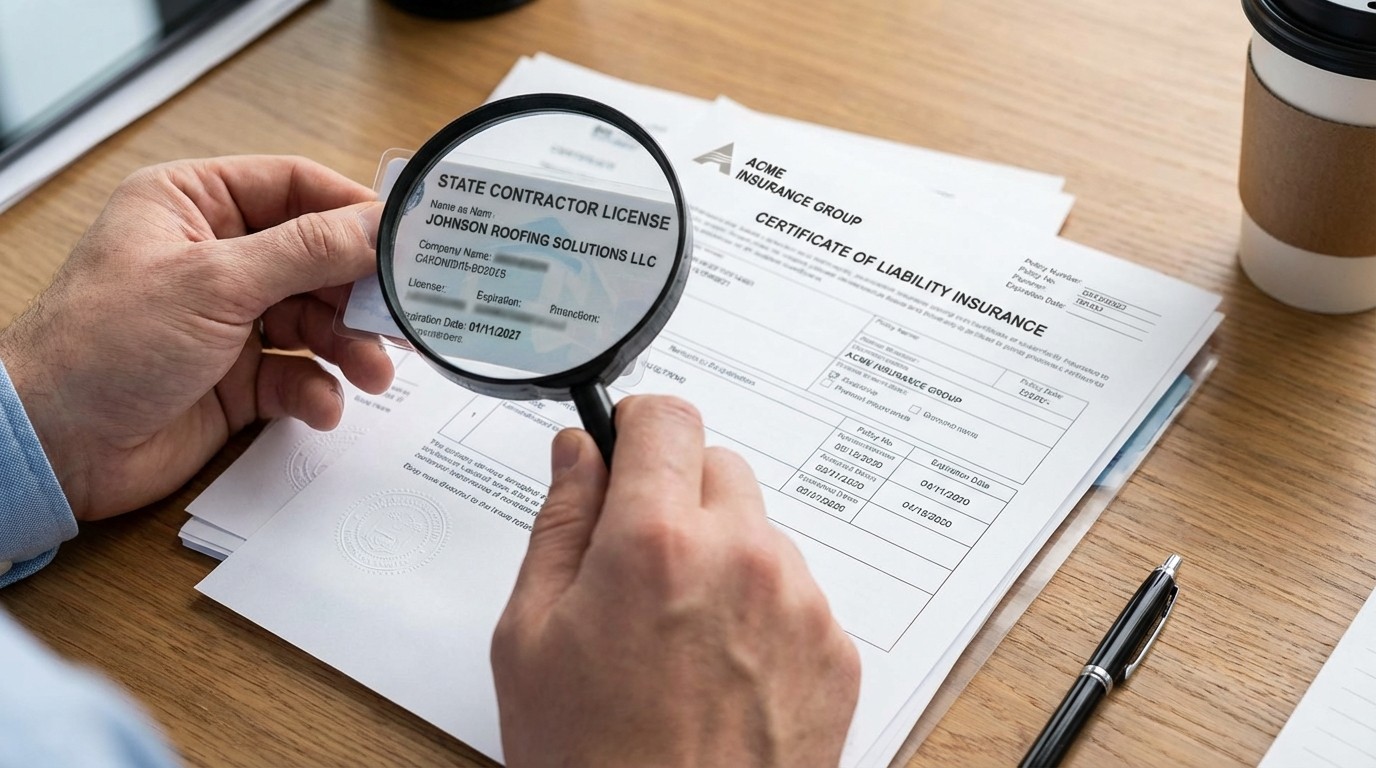
Start with license verification. Look up the contractor's license number on your state licensing board website. Verify it is current, in good standing, and matches the business name exactly. Check for violations or complaints.
Next, confirm insurance. Ask for certificates of liability insurance and workers' compensation. Call the insurance companies directly using official website numbers, not numbers on the certificates. Verify policies are active and current.
Research reputation online. Check Better Business Bureau ratings. Look for review patterns across Google and Yelp. A few negative reviews happen to everyone, but multiple complaints about the same issues indicate problems.
Ask for recent local projects with homeowner contacts. Call at least three references. Ask how the crew communicated, whether costs matched estimates, and how they handled unexpected issues.
Search the contractor's business name plus "complaint," "lawsuit," or "scam." Check local court records. This takes less than an hour and reveals patterns of legal disputes.
Finally, verify their physical address. Drive by to confirm it exists and appears to be an actual office or shop.
What to Do If You Have Been Ripped Off By a Roofer
If you believe you have been victimized, take action immediately. The faster you respond, the better your chances of recovering money.
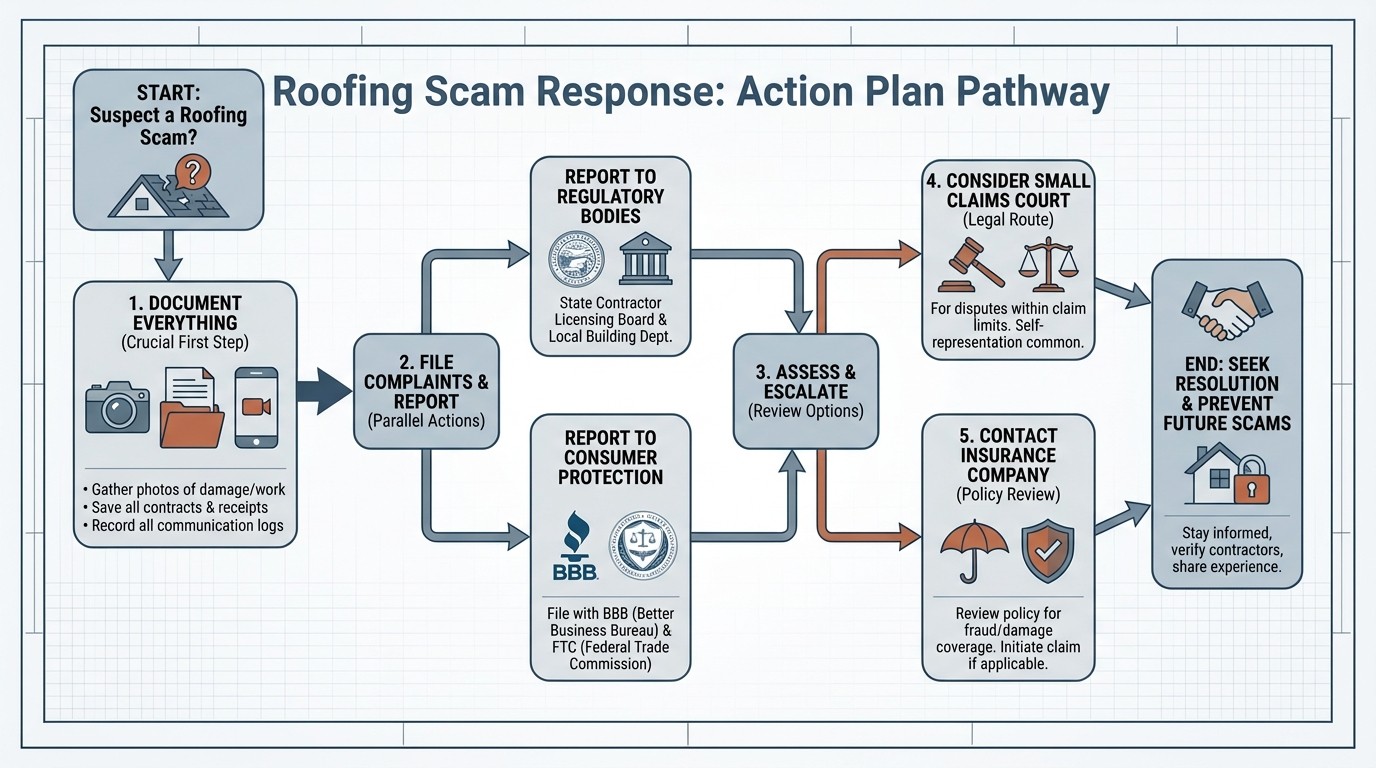
Stop all payments immediately. Revoke access to payment apps. Do not hand over more money until you resolve the situation.
Document everything. Photograph your roof's condition, completed work, and any damage. Print contracts, receipts, text messages, and emails. Create a timeline. This evidence is critical for complaints and legal action.
File complaints with your state contractor licensing board, Better Business Bureau, and Federal Trade Commission. These create public records and may prompt enforcement action.
Consider small claims court for disputes under your state's limit, typically $5,000 to $10,000. You can represent yourself with minimal filing fees.
For larger amounts, consult a consumer protection attorney. Many offer free initial consultations.
Understanding how roofers rip you off includes knowing how to respond when it happens. These steps will not guarantee recovery, but doing nothing guarantees you will not.
How to Protect Yourself From Roofing Scams
Once you understand the ways roofers rip you off, protection comes down to consistent verification steps for every contractor.
Get at least three written quotes. You can request a free quote review to verify any estimate you receive. This reveals market pricing and makes lowball bait-and-switch offers obvious. Ensure each quote includes detailed material specifications.
Never pay more than 25 to 30 percent upfront. Structure payments around completed work. Common schedule: 10 percent to start, 40 percent when materials arrive, 40 percent when installation is done, final 10 percent after inspection.
Verify everything independently. Check the state database for licenses. Call insurance companies directly. Call your building department to confirm permit requirements.
Read every document before signing. Take the contract home. Have someone else review it. Ask questions about anything unclear.
Trust your instincts. If something feels wrong, walk away. There are thousands of roofing contractors. Finding one who makes you comfortable is worth the search time.