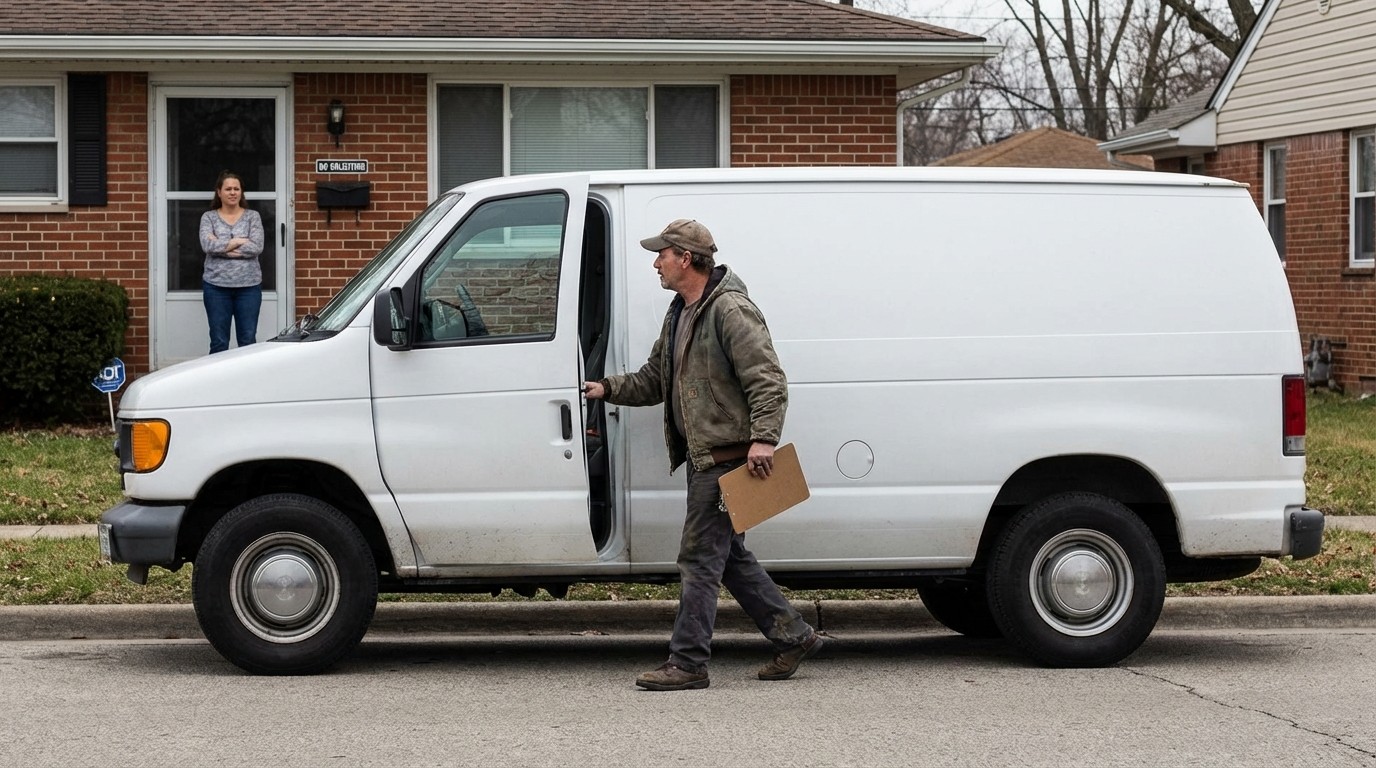
A contractor knocks on your door. "I was working on your neighbor's roof and noticed hail damage. I can inspect yours for free right now." Should you let them?
Roofing scams cost homeowners $10-$20 million annually, according to the Better Business Bureau, with common tactics including storm chasers, fake damage claims, and insurance fraud. These roofing companies to avoid use sophisticated schemes designed to exploit homeowner vulnerabilities and disappear with your money.
While our guide on identifying bad roofing contractors covers quality vetting and credential verification, this article focuses specifically on common scam tactics and fraud schemes. The difference matters. Bad contractors deliver poor quality work. Scam artists steal your money and vanish.
You'll learn the 10 most common types of roofing companies to avoid, how storm chasers operate, insurance fraud red flags, and how to protect yourself from fraudulent companies.
Why Roofing Scams Are So Common
High-ticket purchases make roofing attractive to scammers. The average roof replacement costs $10,000-$30,000, creating substantial financial incentive for fraud. This price point represents a significant investment for most homeowners, making it worth the effort for sophisticated fraud operations. Understanding why certain roofing companies to avoid target homeowners helps you recognize their tactics early.
Emotional urgency after storm damage creates pressure to act quickly, which roofing companies to avoid exploit ruthlessly. When water pours through your ceiling or insurance adjusters schedule inspections, the natural instinct is to hire immediately. Fraudulent contractors understand this vulnerability and use it to bypass your normal decision-making process.
Technical complexity prevents easy verification. Most homeowners cannot assess damage authenticity or repair quality without professional expertise. You cannot easily tell if your roof truly needs replacement or if damage claims are exaggerated. This knowledge gap creates perfect conditions for roofing companies to avoid who exploit your uncertainty.
Insurance involvement attracts fraud because scammers can inflate claims and pocket the difference. When insurance companies pay for repairs, homeowners feel less price sensitivity. These roofing companies to avoid exploit this by submitting inflated estimates and performing cheaper work. Low barriers to entry make impersonation easy with just a truck, ladder, and business cards.
The BBB reports 15,000+ roofing complaints annually, with 60% of roofing scams occurring after severe weather. Average losses range from $8,000-$15,000 per victim. Storm chaser activity increases 400% after major hail or wind events, creating concentrated fraud waves in affected areas.
Quick Red Flags Checklist: Roofing Companies to Avoid
Use this checklist to instantly identify roofing companies to avoid:
Door-to-door solicitation without appointment, especially after storms
Out-of-state license plates and temporary local phone numbers
No physical address - only P.O. boxes or hotel addresses
Pressure for immediate signature with "today only" pricing
Large upfront deposits exceeding 50% of project cost
No license or insurance proof available
Cash-only payment requests or offers to "waive deductible"
Vague material specifications in contracts ("asphalt shingles" without brand)
No online reviews or presence on Google, BBB, or Yelp
Refusal to provide references from recent local jobs
If a contractor exhibits 2+ of these red flags, they're among the roofing companies to avoid.
10 Types of Roofing Companies to Avoid
1. Storm Chasers
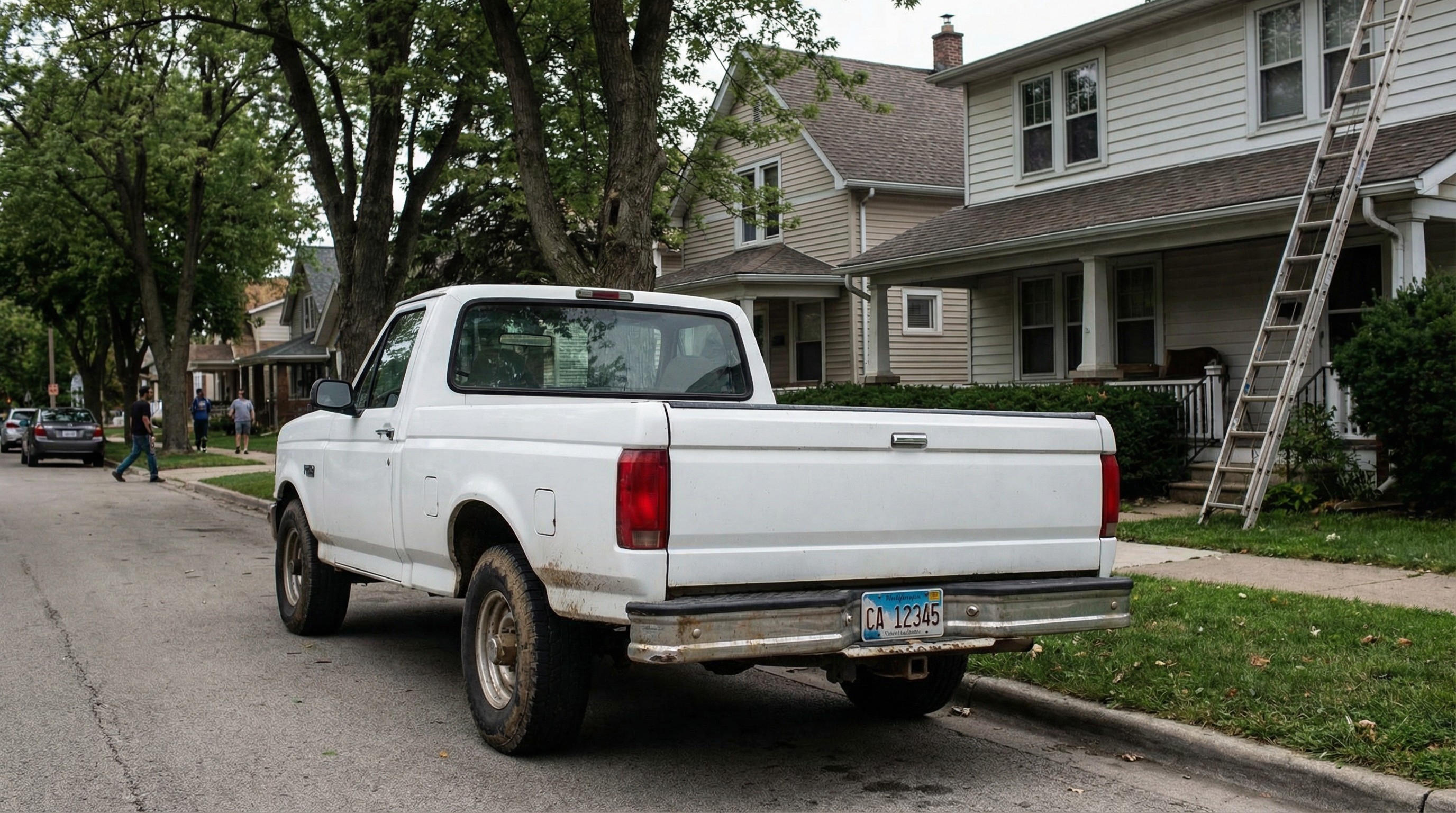
Storm chasers represent one of the most common types of roofing companies to avoid. They follow severe weather events, appearing in affected areas within 24-48 hours. They set up temporary offices in hotels, use P.O. boxes, and pressure homeowners to file insurance claims immediately.
Spot them by out-of-state license plates, the "working in your neighborhood" pitch, and refusal to provide verifiable local addresses. They disappear after taking deposits, perform substandard work, and leave you with no warranty service. Always verify contractors have been established locally for at least five years.
2. Free Inspection Scammers
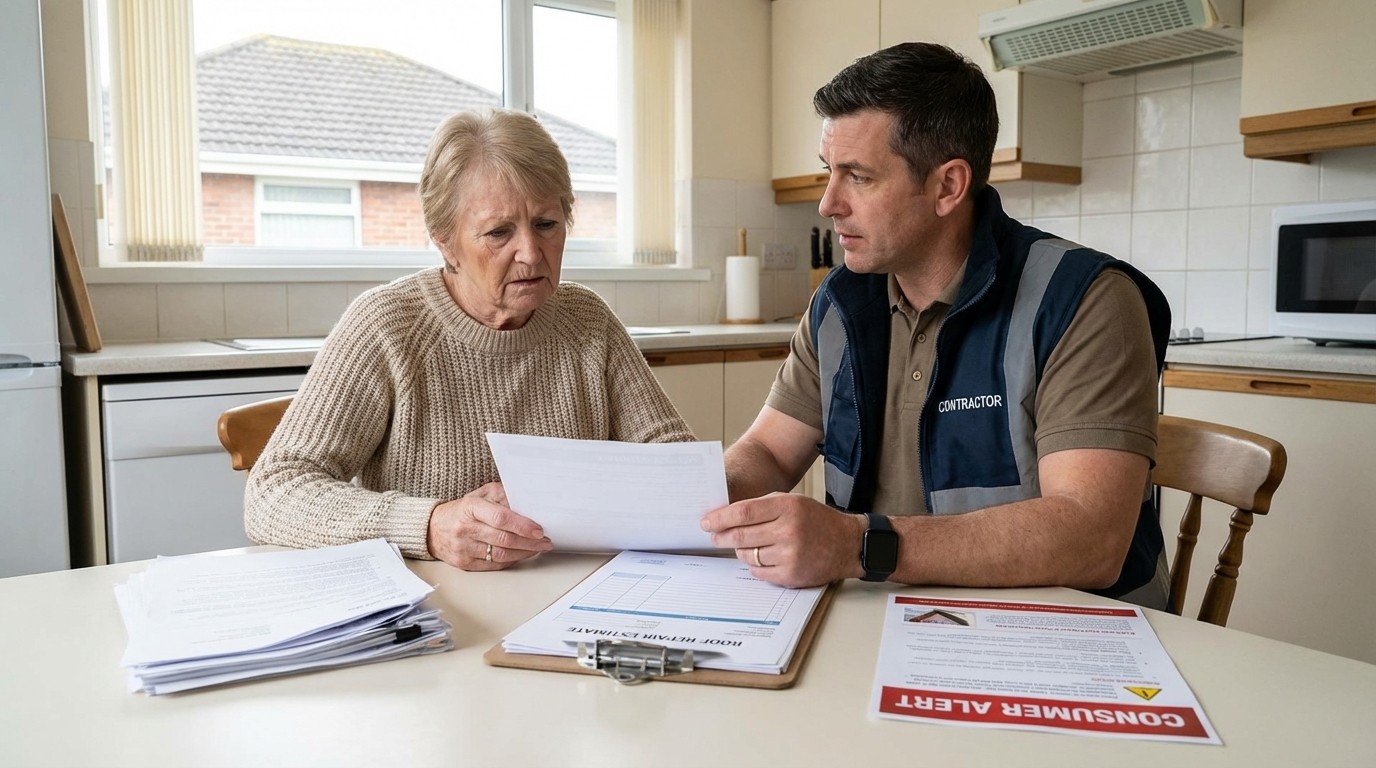
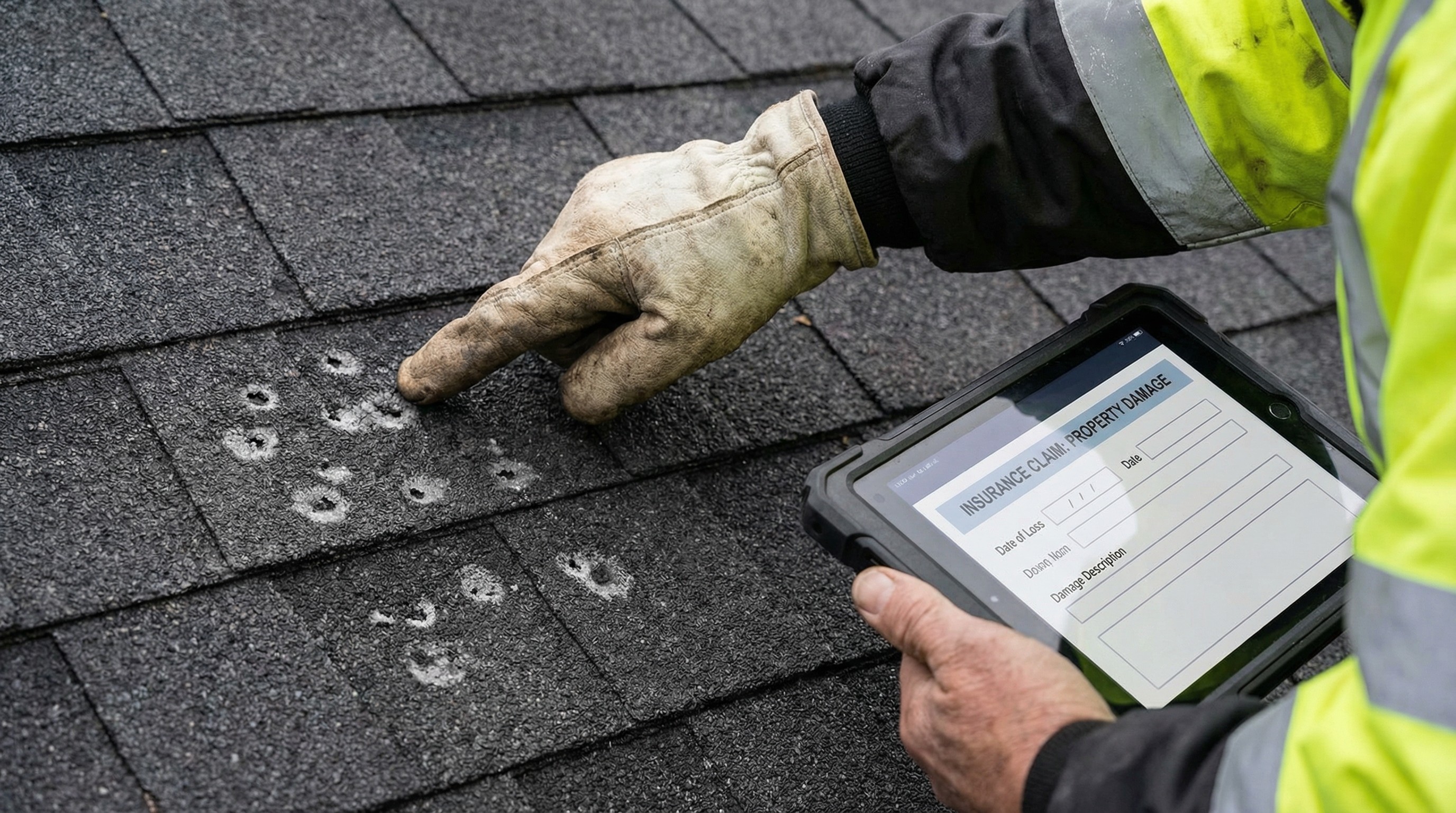
Free inspection scammers rank among the most deceptive roofing companies to avoid because they manufacture damage that doesn't exist. These companies offer unsolicited inspections, then "discover" damage that doesn't exist. They pressure immediate repairs and sometimes use photos from other properties as evidence.
Red flags include finding "extensive damage" on every roof, pressure to sign immediately, and refusal to allow second opinions. Get independent inspections before agreeing to work. Never allow uninvited contractors on your roof.
3. Insurance Deductible Waiver Fraud
Contractors offering to "waive your deductible" are committing insurance fraud. They inflate claims to cover your deductible, then pocket the difference. This is illegal in most states, and you can be held liable alongside the contractor. These are roofing companies to avoid because they put your insurance coverage at risk.
Consequences include claim denial, policy cancellation, and criminal charges. Watch for phrases like "We'll eat the deductible" or suspiciously high estimates. Don't risk your coverage for a few hundred dollars in savings.
4. Material Substitution Scammers
Material substitution scammers are roofing companies to avoid because they quote premium materials but install cheap alternatives. Homeowners cannot distinguish between shingle grades, creating substitution opportunities. Contractors save $2,000-$5,000 while you pay premium prices.
Require exact specifications in contracts: "GAF Timberline HDZ Architectural Shingles in Weathered Wood" instead of "architectural shingles." Inspect materials upon delivery before installation begins.
5. Deposit Disappearance Artists
This scam involves demanding 50-70% upfront versus the industry standard of 10-25%, then vanishing. Once they receive payment, phone numbers disconnect and business addresses prove fake. The BBB reports 20% of roofing complaints involve deposit theft.
Never pay more than 25-33% upfront. Use escrow services that release funds only upon work completion. If pressure for immediate large payment feels wrong, trust that instinct.
Normal vs. Scam Payment Schedules
Payment Stage | Legitimate Contractor | Roofing Companies to Avoid |
|---|---|---|
Initial Deposit | 10-33% | 50-70% or more |
After Materials Delivered | 25-35% | Disappear after deposit |
Mid-Project | 20-30% | Never reach this stage |
Final Payment | 10-25% upon completion | Already gone with money |
Always verify payment terms match industry standards before signing contracts with any roofing company.
6. Unlicensed "Handyman" Roofers
Unlicensed contractors create serious liability risks. Without insurance, you become liable for worker injuries and medical bills. You have no recourse for poor work, no warranty protection, and work often fails inspection. These roofing companies to avoid operate illegally and put your financial security at risk.
Verify licensing through your state contractor licensing board website. Check for active status, disciplinary actions, and bond status. This takes five minutes and prevents massive financial exposure.
7. Bait-and-Switch Pricing Scammers
These roofing companies to avoid provide extremely low initial quotes, then dramatically increase costs through "change orders" after starting work. Once your roof is partially torn off, you feel trapped.
Red flags include bids 30-40% below other estimates and finding major structural issues immediately after starting. Protect yourself with detailed contracts specifying exactly what's included.
8. Fake Urgency Manipulators
Among the most psychologically manipulative roofing companies to avoid are those who manufacture false urgency. These roofing companies to avoid manufacture false urgency to prevent comparison shopping. Common phrases include "Your roof will collapse soon" and "Your insurance claim window closes this week."
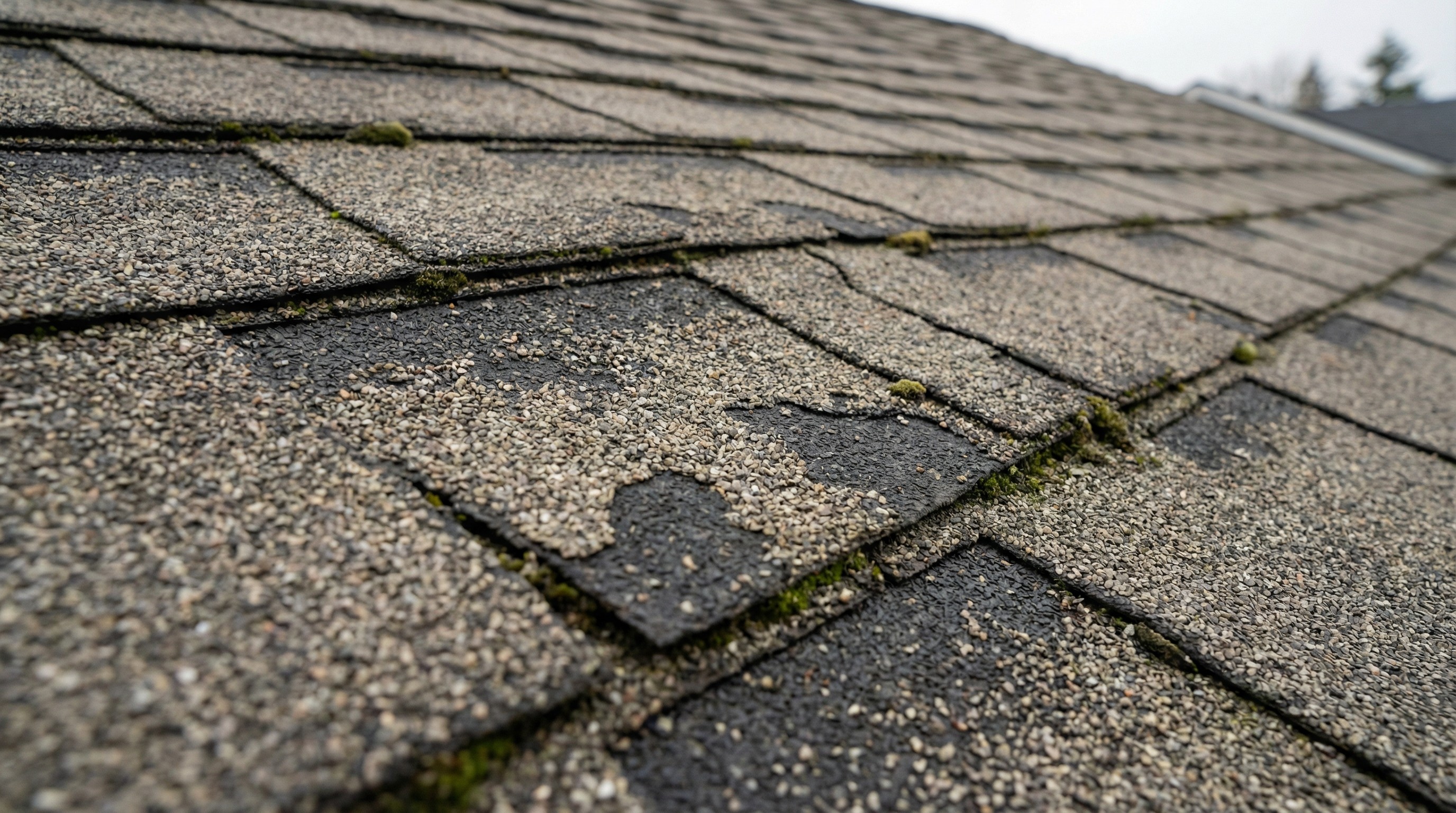
Reality check: roof structural failures are rare and show warning signs over months. Insurance claim deadlines are typically 12 months, not days. Get 3-5 quotes even in emergency situations.
9. Material Specification Avoiders
Contracts listing "asphalt shingles" without brand or grade create opportunity for roofing companies to avoid installing cheapest materials while technically meeting terms. Generic "architectural shingles" could mean $80 or $150 per square depending on quality.
Your contract must specify exact manufacturers and product lines: "Owens Corning Duration Shingles, Teak color" prevents substitution and ensures quoted quality.
10. Post-Storm Price Gougers
After natural disasters, some contractors inflate prices 50-100% over normal market rates with claims of "material shortages" or "emergency service fees." While some premium is reasonable (20-30%), doubling normal rates exploits homeowner desperation.
Check current market rates before storms hit so you recognize gouging. Get multiple quotes even during emergencies.
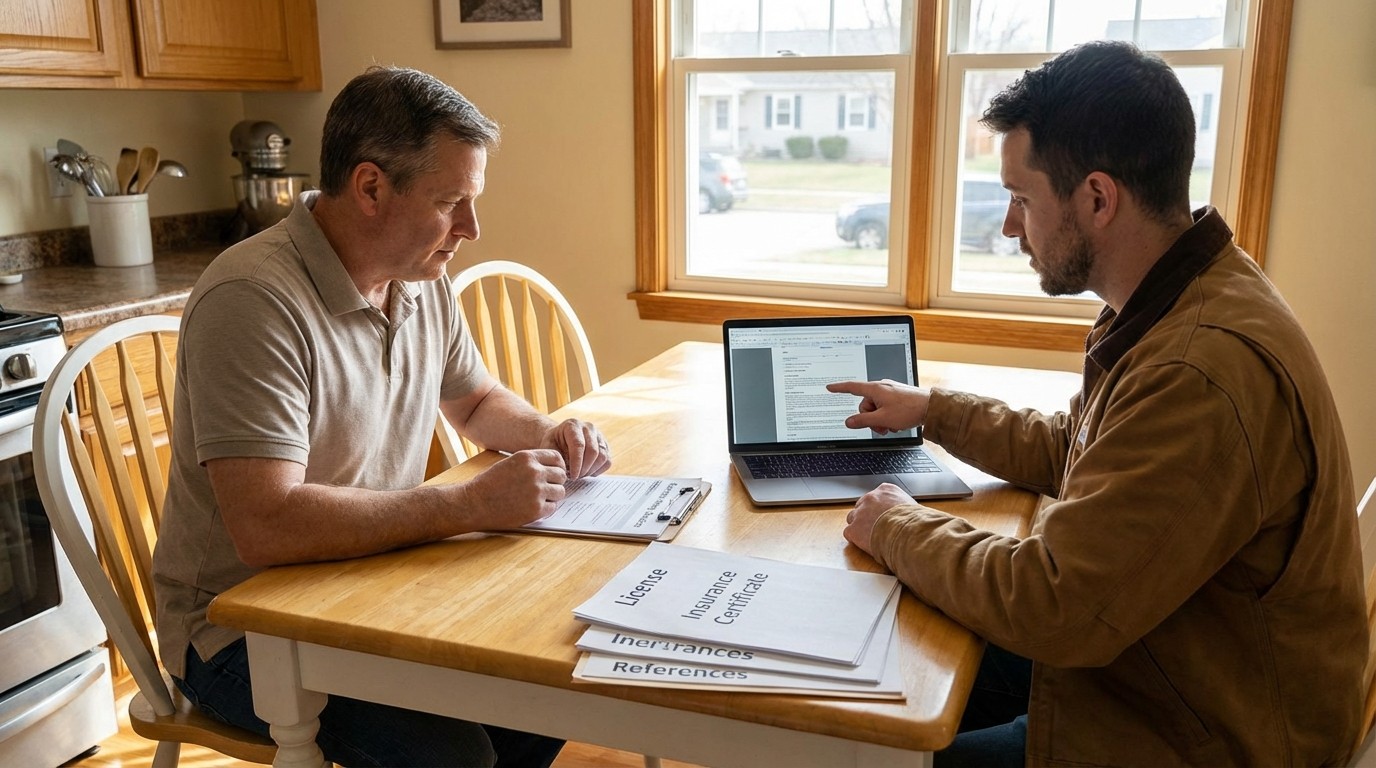
How to Verify a Roofing Company Is Legitimate
Follow this five-step verification process to confirm legitimacy and avoid roofing companies that scam homeowners.
Step 1: Verify State Contractor License (5 minutes) - Visit your state's contractor licensing board website. Enter the license number and check for active status, no disciplinary actions, and current bond status.
Step 2: Confirm Insurance Coverage (10 minutes) - Request a current certificate of insurance showing general liability coverage of at least $1 million and workers compensation. Call the insurance company directly to verify the policy is active. Scammers use expired or fabricated certificates frequently.
Step 3: Check BBB and Online Reviews (15 minutes) - Visit BBB.org and search the company name. Review rating and complaint details. Check Google reviews from the last 6-12 months. Look for patterns in complaints rather than isolated incidents.
Step 4: Verify Physical Business Location (5 minutes) - Search the business address on Google Maps. Use Street View to confirm an actual commercial location exists. Legitimate businesses have physical locations, not just P.O. boxes.
Step 5: Request and Verify References (15 minutes) - Ask for 3-5 references from jobs completed in the last six months in your local area. Call references and ask specific questions. Drive by completed jobs if nearby.
Total verification time: 50 minutes. This investment prevents $8,000-$15,000 average losses from roofing scams. Consider using free quote review services for expert evaluation.
Storm Scam Tactics: Roofing Companies to Avoid After Disasters
Storm-related scams follow predictable patterns. Understanding the timeline helps you recognize and avoid roofing companies operating fraudulent schemes after severe weather events.
Within 24-48 hours after storms, chasers from out-of-state flood affected areas. Door-to-door solicitation intensifies. "Free inspection" offers proliferate. Contractors pressure quick insurance claim filing before proper damage assessment.
Week 1-2 after storms brings fake damage claims, material shortage scams, and emergency pricing gouging. Unlicensed operators appear offering "quick fixes" at discount prices.
Common storm chaser tactics include the false "working in your neighborhood" pitch, temporary local phone numbers that disconnect, and hotel addresses or P.O. boxes instead of physical offices. Offers to "handle your entire insurance claim" should raise immediate red flags.
Hail Belt states including Texas, Oklahoma, Kansas, and Colorado see highest storm chaser activity. Hurricane zones covering Florida, Gulf Coast, and Carolinas experience post-storm scam waves.
Wait 48-72 hours after storms before signing contracts. This allows you to verify contractor credentials and get multiple quotes. Get your insurance adjuster's inspection before signing contracts. Never let contractors negotiate directly with your insurance company.
Review our storm damage checklist for proper assessment procedures following severe weather events.
Regional Scam Patterns: Where Roofing Companies to Avoid Operate
Different regions see different scam patterns among roofing companies to avoid:
Hail Belt States (Texas, Oklahoma, Kansas, Colorado):
Storm chasers peak activity: April-June
400% increase in fly-by-night contractors after major hail events
Common tactic: "We were working on your neighbor's roof"
Hurricane Zones (Florida, Gulf Coast, Carolinas):
Post-hurricane scam waves within 48 hours
Material shortage price gouging (50-100% markups)
Insurance fraud schemes targeting FEMA assistance
Northern States (Winter damage focus):
Ice dam damage exaggeration
Emergency pricing exploitation during winter storms
Spring "inspection special" deposit scams
Western States (Wildfire regions):
Ash damage false claims after fire seasons
Unlicensed "disaster recovery" operators
Material substitution during supply shortages
Understanding regional patterns helps you recognize roofing companies to avoid in your area.
Insurance Fraud: Roofing Companies to Avoid During Claims
Insurance involvement creates unique fraud opportunities. These roofing companies to avoid target the insurance claims process specifically.
Deductible Waiver Scam - When contractors offer to waive your deductible, they plan to inflate the claim amount to cover it. This constitutes insurance fraud in most states. Both you and the contractor face legal liability. Consequences include policy cancellation, claim denial, and potential criminal charges.
Claim Inflation Scam - Contractors inflate repair estimates submitted to insurance, planning to do cheaper work and pocket the difference. Example: they claim $15,000, receive payment, then complete $8,000 worth of actual work. Insurance companies investigate suspicious claims and prosecute fraud aggressively.
Fake Damage Documentation - Some scammers use photos from other properties to document "damage" on your roof. They exaggerate minor wear as severe damage. Red flag: damage photos that don't match your roof's angle, color, or surrounding features. Request to be present during all damage documentation.
Insurance Check Theft - Insurance companies often make checks payable to both homeowner and contractor. Scammers pressure you to sign over the check immediately, before work begins. They then disappear with the money after minimal work. Use escrow services for large payments.
Report suspected insurance fraud to your state insurance commissioner. Learn more about proper insurance claim processes to protect yourself.
What to Do If You Encounter a Scam Company
Take immediate action when you recognize roofing companies to avoid. Your response depends on how far the relationship has progressed.
If You Haven't Signed or Paid - End all communication immediately. Don't provide personal information. Don't allow them on your roof or property. Report the company to BBB.org. Warn neighbors if encountered through door-to-door solicitation.
If You've Signed Contract But Not Paid - Review contract for cancellation terms. Send written cancellation via certified mail. Most states have a three-day right to cancel for contracts signed at your home. Document all communication. If threatened, consult an attorney.
If You've Paid Deposit - Stop all further payments immediately. Document everything with photos, texts, emails, and contract copies. Send formal demand letter via certified mail requesting refund within 10 business days.
File complaint with your state contractor licensing board. Contact your credit card company to dispute charges. File police report if fraud suspected. Contact bonding company if bonded. Consider small claims court for amounts under $5,000-$10,000.
Prevention for Others - File BBB complaint creating public record. Leave detailed online reviews on Google and Yelp. Report to state attorney general's consumer protection division. Report to Federal Trade Commission.
For quality issues with legitimate contractors, refer to our guide on identifying bad roofing contractors which covers different resolution approaches.
How to Find Trustworthy Roofing Companies
Avoiding roofing companies to avoid requires sourcing contractors from trusted channels rather than responding to solicitations.
roofquotes.com eliminates scam risk through comprehensive verification. We verify licensing and insurance before contractors join our network. All contractors must be local, not out-of-state storm chasers. Escrow payment protection holds your money until work completion. You compare line-item quotes preventing price manipulation.
Get up to five quotes from vetted contractors at roofquotes.com/get-quotes. This competitive process naturally filters out scammers who can't provide legitimate credentials.
Manufacturer certification programs like GAF Master Elite, Owens Corning Preferred, and CertainTeed SELECT ShingleMaster require contractors to maintain higher standards than basic licensing. They perform background checks and monitor customer satisfaction.
Local industry associations including Chamber of Commerce, Better Business Bureau accreditation with A+ ratings, and NRCA membership demonstrate commitment to ethical practices. Scammers don't invest in multi-year memberships because they plan to disappear.
Conclusion
The 10 types of roofing companies to avoid described above cost homeowners $10-$20 million annually through sophisticated scam tactics. Storm chasers, insurance fraud schemes, and deposit theft represent the most prevalent threats.
The 50-minute verification process outlined in this guide prevents $8,000-$15,000 average losses from roofing scams. Never pay large deposits upfront, always verify licensing and insurance, and get multiple quotes even during emergencies.
Avoid roofing companies that scam homeowners by using pre-verified contractor sources. Get up to five quotes from licensed, insured local contractors at roofquotes.com/get-quotes. Our escrow protection ensures your money stays safe, and our verification process eliminates scam risk entirely.