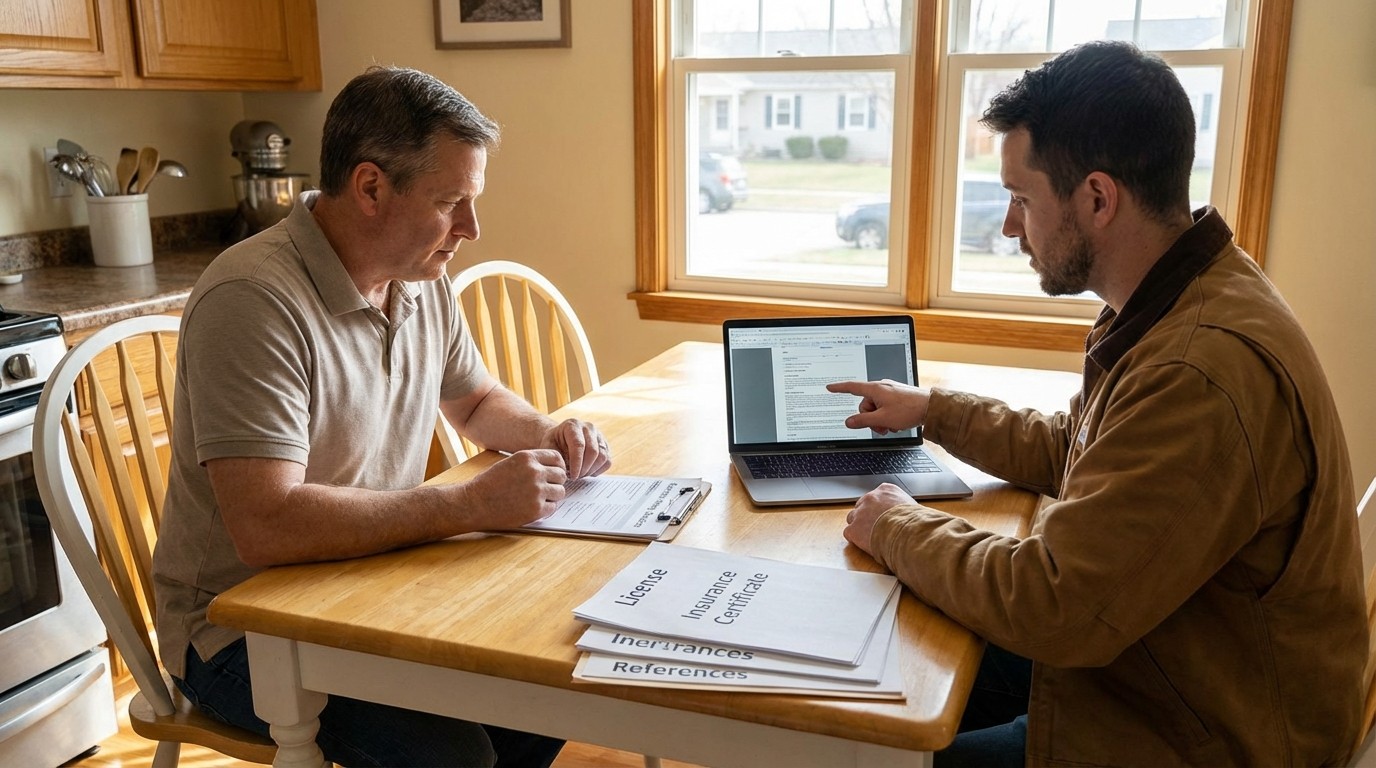
A new roof costs $15,000 to $30,000 or more. The last thing you want is to hand that money to a scammer who disappears mid-project or does shoddy work that fails within a year.
Roofing scams cost American homeowners over $300 million annually, according to the Federal Trade Commission. Storm chasers, unlicensed contractors, and fraudulent companies prey on homeowners who need urgent repairs or lack the time to properly vet contractors.
This guide shows you exactly how to verify a roofing company is legit before you sign a contract or hand over a single dollar. You'll learn seven verification steps, spot the biggest red flags, and discover how to find trustworthy contractors without the stress.
Why Verifying Your Roofing Contractor Matters
Most roof replacements cost between $10,000 and $30,000, depending on size, materials, and complexity. When you hire an unlicensed or uninsured contractor, you put that entire investment at risk.
The consequences go beyond lost money. If an uninsured worker gets injured on your property, you could be held liable for medical bills and lost wages. If the work fails to meet code, you might face fines or difficulty selling your home later.
The Better Business Bureau reports that roofing scams spike after major storms, when homeowners feel pressured to act quickly. Scammers know this and use high-pressure tactics to rush you into bad decisions.
Here is the reality: taking a few hours to check if a roofing company is legit can save you tens of thousands of dollars and years of headaches. Proper vetting protects your home, your money, and your peace of mind.
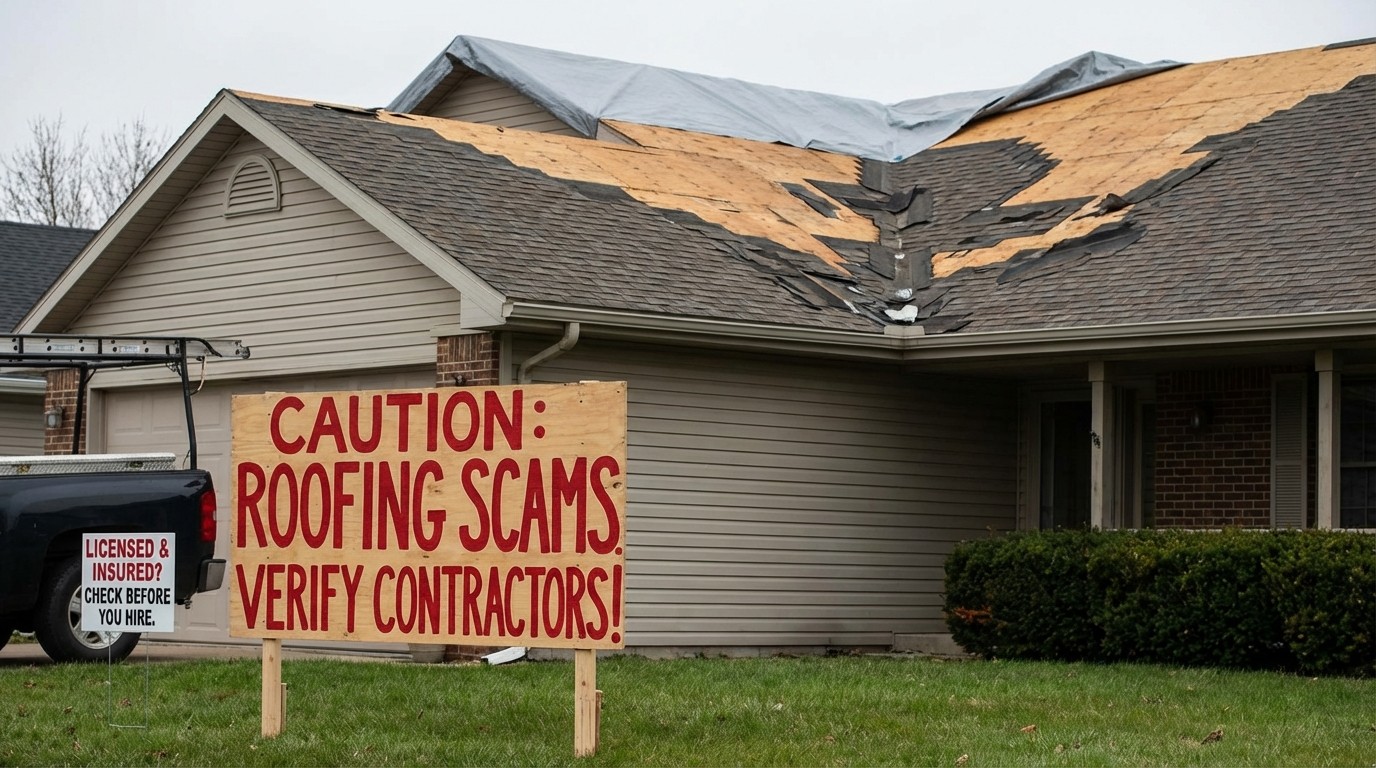
7 Steps to Verify a Roofing Company is Legitimate
Follow these seven steps to thoroughly vet any roofing company before hiring them. Each step takes only a few minutes but dramatically reduces your risk of hiring a fraudulent contractor.
1. Verify State Licensing Requirements
Every state has different requirements for roofing contractors. Some states require specialized roofing licenses, while others only require general contractor licenses. Start by finding out what your state requires.
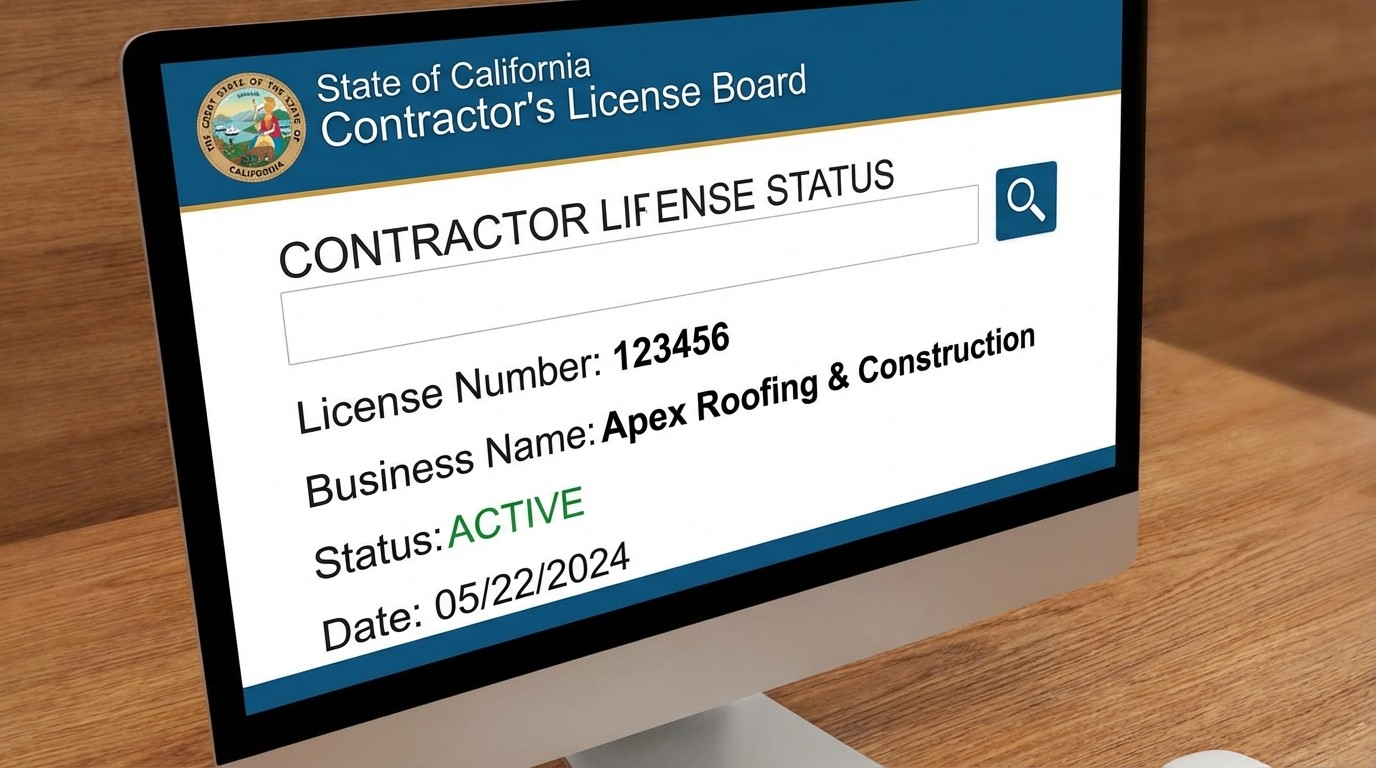
Visit your state contractor licensing board website and search for the company by name or license number. The search should show the license status, expiration date, any disciplinary actions, and whether the bond is current.
A legitimate contractor will give you their license number without hesitation. If they dodge the question, claim they don't need one, or say it's "in process," walk away. That's a major red flag.
What a valid license tells you: The contractor has met minimum training requirements, carries required insurance, and posted a bond that protects you if they abandon the job. It also gives you recourse through the licensing board if something goes wrong.
Ask the insurance company to confirm the policy is active, the coverage amounts are accurate, and the contractor's business name matches exactly. Minimum coverage should be $1 million for general liability.
Here is why this matters: If an uninsured worker falls off your roof and gets hurt, you could be sued for medical expenses and lost wages. That liability can easily exceed $100,000. Spending five minutes on a verification call protects you from devastating financial risk.
Warning signs of fake reviews include overly generic language, clusters of reviews posted on the same day, and only five-star or one-star ratings with nothing in between. Real customers write specific details about their projects.
A company with 20 to 50 reviews gives you a better sample size than one with just five reviews. Recent reviews matter more than old ones because companies can change ownership or quality over time.
4. Verify Industry Certifications and Memberships
Legitimate roofing companies often hold certifications from major manufacturers like GAF, Owens Corning, or CertainTeed. These certifications require contractors to meet specific training, insurance, and quality standards.
Check for membership in the National Roofing Contractors Association (NRCA) or local trade associations. Membership shows the contractor invests in ongoing education and follows industry best practices.
Questions to ask references: Was the project completed on time and on budget? How was the cleanup? Did the contractor communicate clearly throughout? Would you hire them again? Any surprises or issues?
Also ask to see photos of recent work, ideally projects similar to yours in size and scope. Look for clean installations, proper flashing details, and good valley work. If a contractor hesitates to provide references, that's a warning sign.
6. Evaluate Their Business Credentials
A legitimate roofing company should have a physical business address, not just a PO box. Verify the address exists by looking it up on Google Maps or even driving by if it's local.
Find out how long they've been in business. Companies operating for five years or more show stability and commitment to the local market. Brand new LLCs or companies with no track record carry higher risk.
Check their website for professionalism and completeness. Does it include contact information, service areas, and examples of work? Red flags include generic template websites with stock photos, no local address, or missing contact information.
Local presence matters because you need the contractor to be available for warranty work and callbacks. Out-of-state storm chasers often disappear after collecting payment, leaving you with no recourse.
7. Assess Communication and Professionalism
Pay attention to how quickly the contractor responds to your initial inquiry. Legitimate companies typically respond within 24 to 48 hours. Delayed responses or difficulty getting in touch can signal poor project management later.
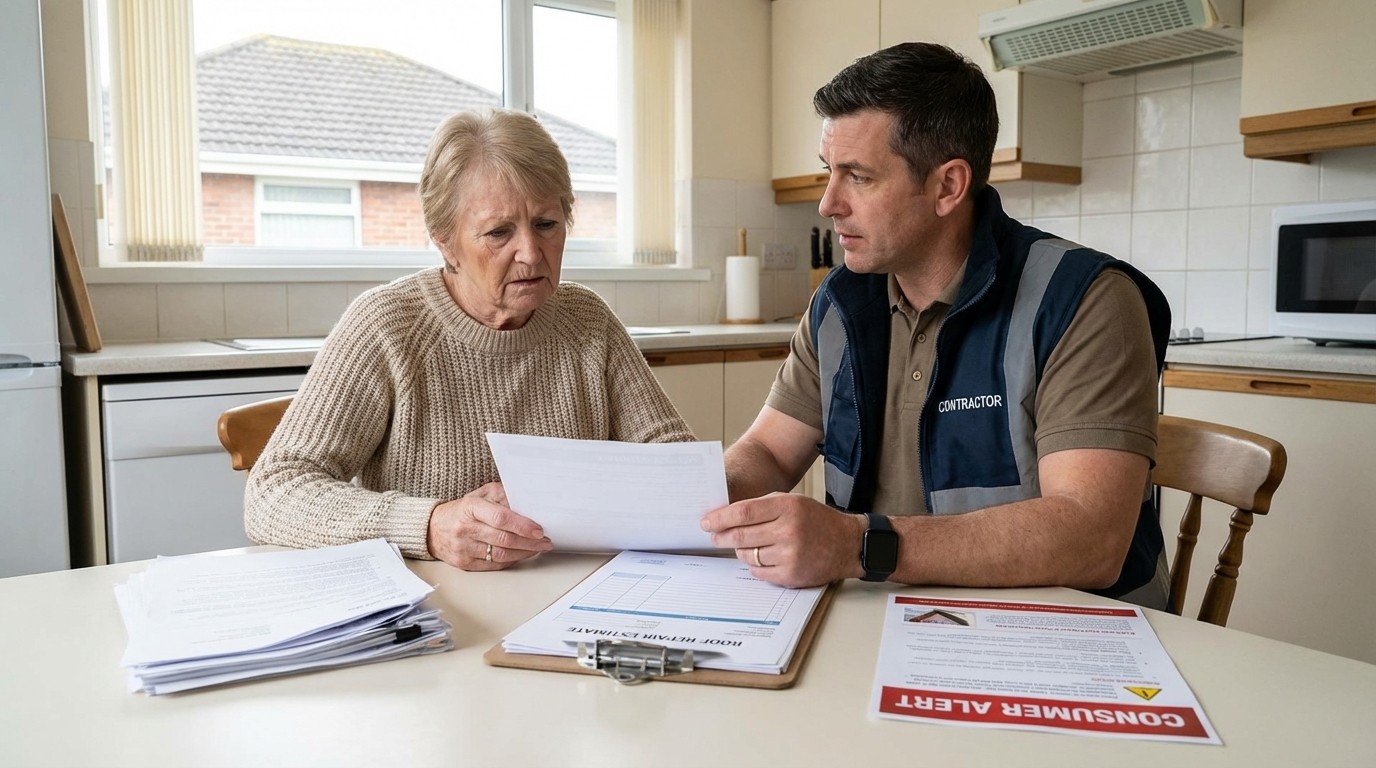
The quality of their written estimate matters too. A detailed, line-item quote breaks down materials, labor, permits, and disposal costs. Vague lump-sum quotes make it impossible to verify fair pricing or compare against other bids.
Observe their professionalism during the roof inspection. Do they show up on time? Do they take measurements carefully? Do they answer questions clearly? Professional conduct at this stage typically translates to professional work throughout the project.
Review the written contract thoroughly before signing. It should specify payment schedule, project timeline, materials by brand and model, warranty details, and who handles permits.
12 Red Flags That Signal a Roofing Scam
Watch for these warning signs that indicate a company may not be legitimate. Even one or two of these red flags should make you reconsider hiring that contractor.
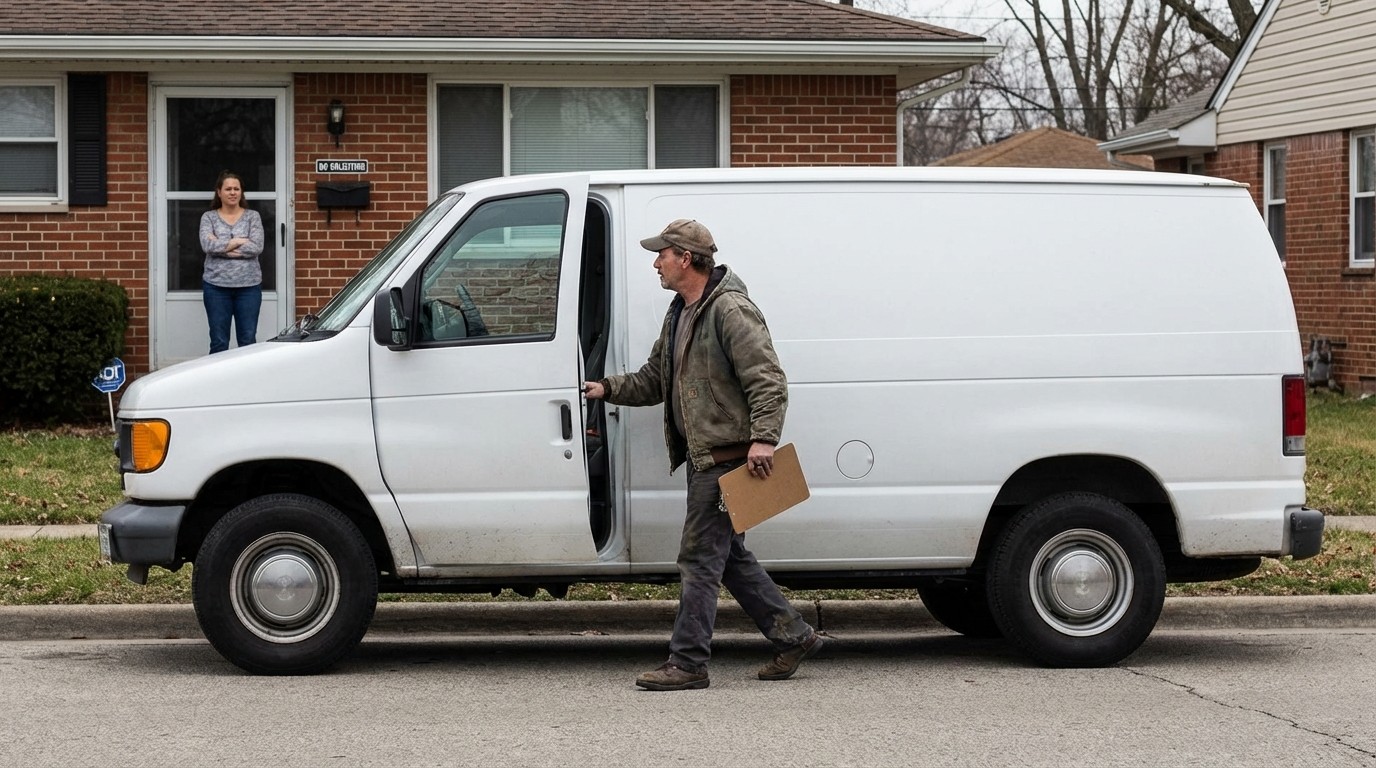
1. Door-to-door storm chasers: Legitimate local roofers don't need to knock on doors. Contractors who show up unsolicited after storms, especially with out-of-state license plates, are often scammers who won't be around for warranty work.
2. Suspiciously low bids: If one quote is 20% or more below others, question why. Legitimate contractors can't undercut the market significantly without cutting corners on materials or labor.
3. Large upfront payment demands: Industry standard is 10% to 30% deposit or the cost of materials, whichever is less. Anyone demanding 50% or more upfront before work starts is a major red flag.
4. No written contract: Verbal agreements are worthless if something goes wrong. Every legitimate contractor provides a detailed written contract specifying scope, timeline, materials, payment schedule, and warranties.
5. Cash-only payment demands: Contractors who refuse checks or credit cards are trying to avoid leaving a paper trail. This makes it impossible to dispute charges or prove payment if problems arise. 9. Asks you to get permits: Licensed contractors should handle all permitting requirements. If they ask you to pull permits, they're either unlicensed or trying to avoid inspection oversight.
10. "Leftover materials" discount offers: This classic scam involves contractors claiming they have materials from another job nearby. The materials are often substandard or the discount is fake.
11. No warranty offered: Every legitimate roofer provides both a workmanship warranty (covering installation errors) and helps you get manufacturer warranties. No warranty means no accountability.
12. Unwilling to provide references: If they hesitate, make excuses, or refuse to provide recent customer references, they're hiding something. Good contractors are proud to share their work.
Questions to Ask Before Hiring a Roofer
Ask these specific questions to evaluate any roofing company. Their answers will tell you whether they're legitimate and qualified.
What is your license number? Write it down and verify it independently with your state licensing board. Don't accept "I'll get it to you later."
Can I see your insurance certificates? Request both general liability and workers compensation certificates. Call the insurance companies to verify coverage is current.
How long have you been in business? Look for five or more years of local operation. Ask for the business license or incorporation documents if you have doubts.
Do you have recent references I can contact? Minimum three references from the last 12 months. Ask for phone numbers, not just names.
What warranty do you offer? Get specifics on both workmanship warranty length and what manufacturer warranties come with the materials.
Who will be doing the work? Find out if it's company employees or subcontractors. If subcontractors, are they insured separately?
Will you pull the necessary permits? The answer should always be yes. Contractors who ask you to handle permitting are avoiding oversight.
What is the payment schedule? A fair schedule is small deposit (10-30%), progress payments tied to milestones, and final 10-20% on completion.
We understand that going through these verification steps for multiple contractors takes time you might not have. That's why roofquotes.com pre-vets every contractor in our network before they can submit quotes.
Our verification process checks every contractor's license status monthly, confirms insurance coverage is current and adequate, and reviews their track record with homeowners who have used our platform.
When you request quotes through roofquotes.com, you're only matched with contractors who have passed all our verification checks. This means you can skip the license lookup, insurance verification, and reference checking because we have already done it.
Your money stays protected in escrow until each milestone is complete and you approve the work. This eliminates the risk of paying upfront and having a contractor disappear or do substandard work.
Compare quotes from pre-verified contractors at roofquotes.com and skip the verification hassle entirely.
What to Do If You've Been Scammed
If you've already hired a contractor and suspect fraud, act quickly to protect yourself and recover your money.
Document everything immediately. Take photos of the work site, save all emails and text messages, keep copies of contracts and receipts, and write down dates and details of every interaction.
File a complaint with your state contractor licensing board. They can investigate, revoke licenses, and sometimes help you recover funds through contractor bond claims.
Submit a complaint to the Better Business Bureau at BBB.org. While the BBB can't force refunds, complaints become part of the contractor's public record and warn other consumers.
Contact your state consumer protection agency and attorney general's office. Many states have specific programs to help homeowners who have been defrauded by contractors.
Consider small claims court for amounts typically under $5,000 to $10,000, depending on your state. You don't need a lawyer and filing fees are minimal.
If the contractor's bad work caused damage to your home, file a claim with your homeowner's insurance. Some policies cover repairs needed to fix contractor errors.