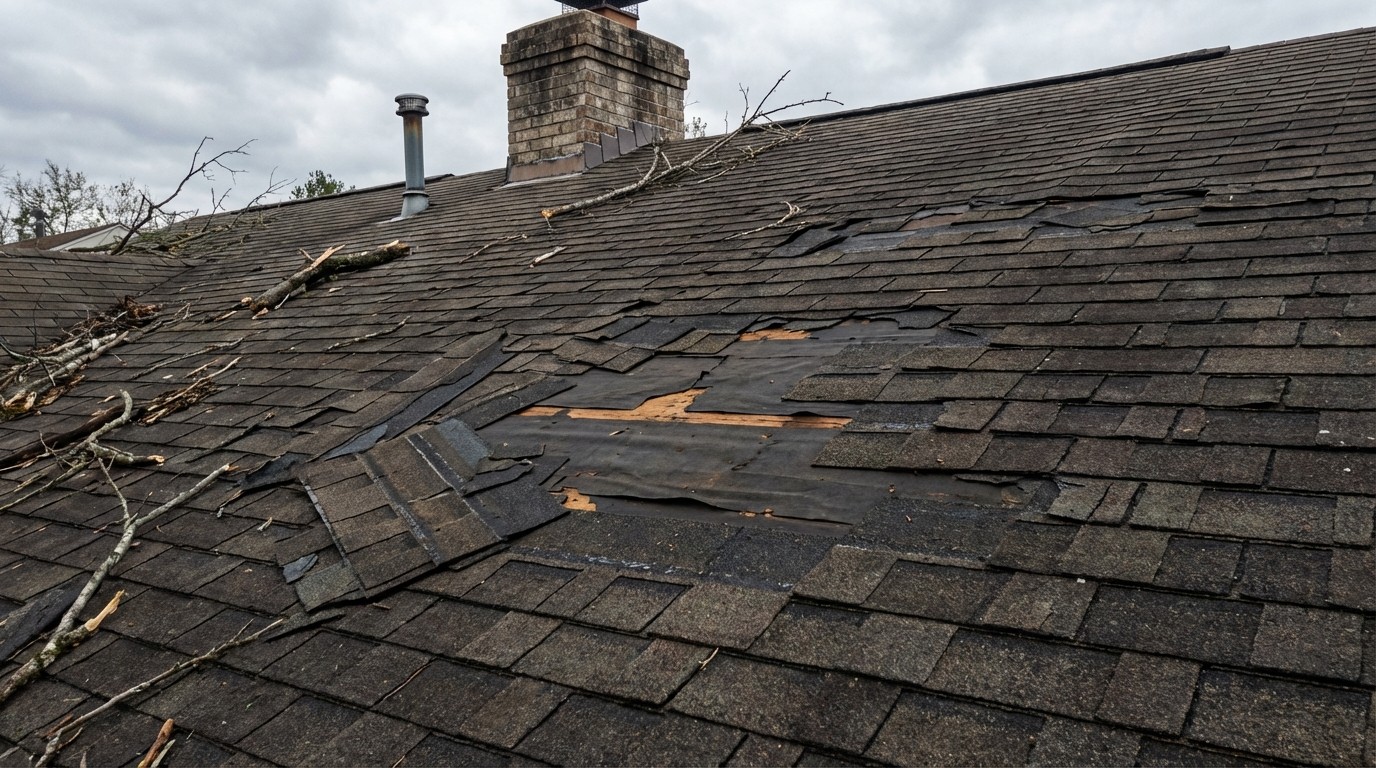
During peak storm seasons, searches for roof storm damage spike 400% as homeowners scramble to determine if recent weather caused problems they cannot see from ground level. Most damage is not immediately obvious. A missed crack or small leak discovered months later can mean thousands in water damage to ceilings and framing. Insurance claims require proper documentation within days. Storm chasers flood neighborhoods after severe weather, pressuring homeowners before they understand damage scope. This guide shows you how to identify roof storm damage systematically, document it for insurance claims, understand costs, and avoid contractor scams.
What Qualifies as Roof Storm Damage
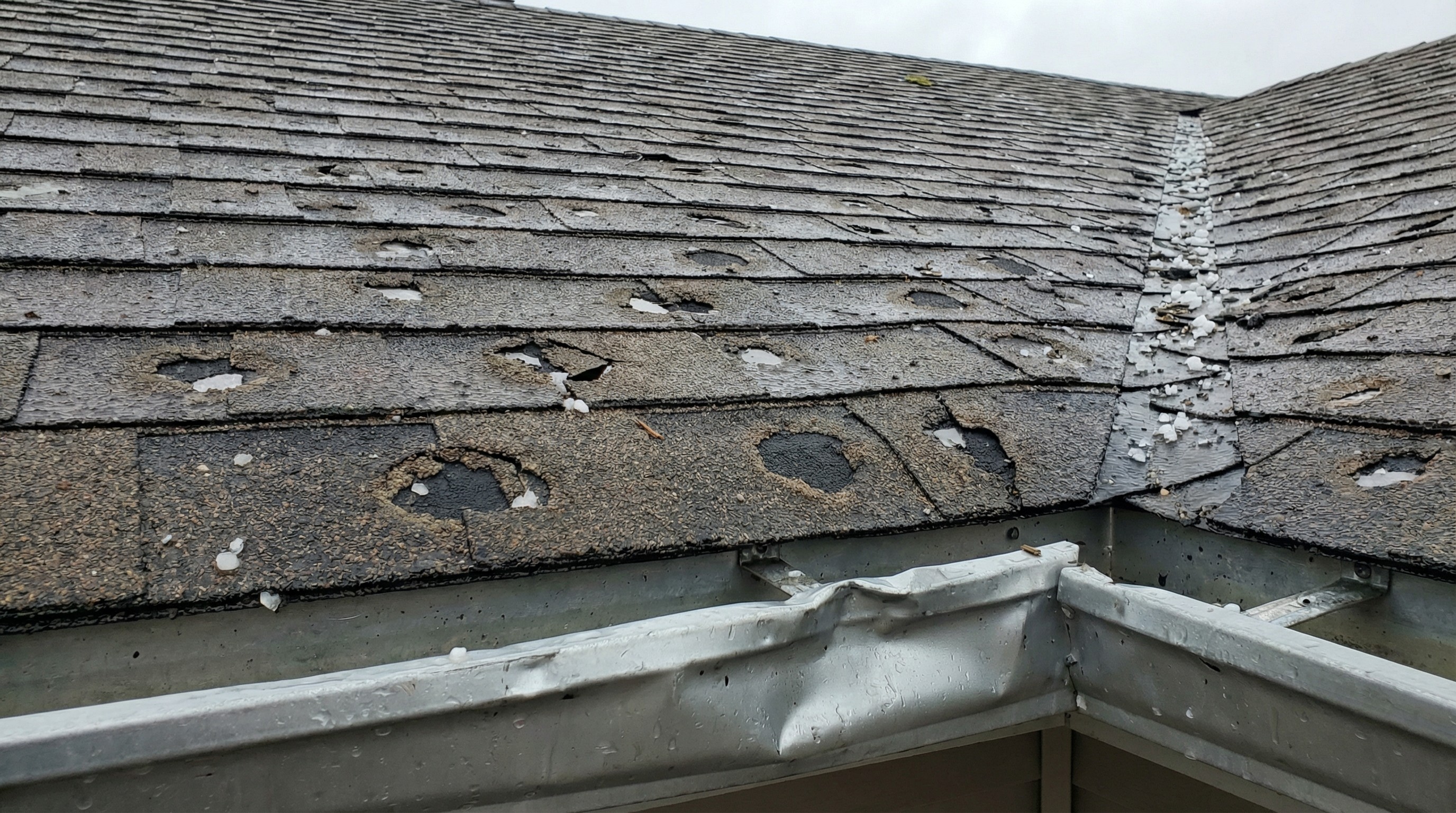
Insurance companies define storm damage as physical harm from a specific weather event. Understanding what qualifies helps you file valid claims. Wind damage occurs when sustained speeds exceed 39 mph (gale force) or gusts reach 50+ mph according to the National Weather Service. At these thresholds, wind can lift shingles, break their adhesive seal, or tear them completely off. Hurricane-force winds (74+ mph) can remove entire roof sections. Hail damage requires stones 1 inch in diameter or larger. Smaller hail rarely causes claimable damage. Hail creates dents, cracks shingles, or knocks protective ceramic granules loose. Metal roofs dent obviously. Tile may crack or shatter. Water infiltration qualifies when heavy rain overwhelms drainage or wind-driven rain forces water under shingles. The key is causation. Damage must link to a documented storm event on a specific date, not gradual wear from age or poor maintenance.
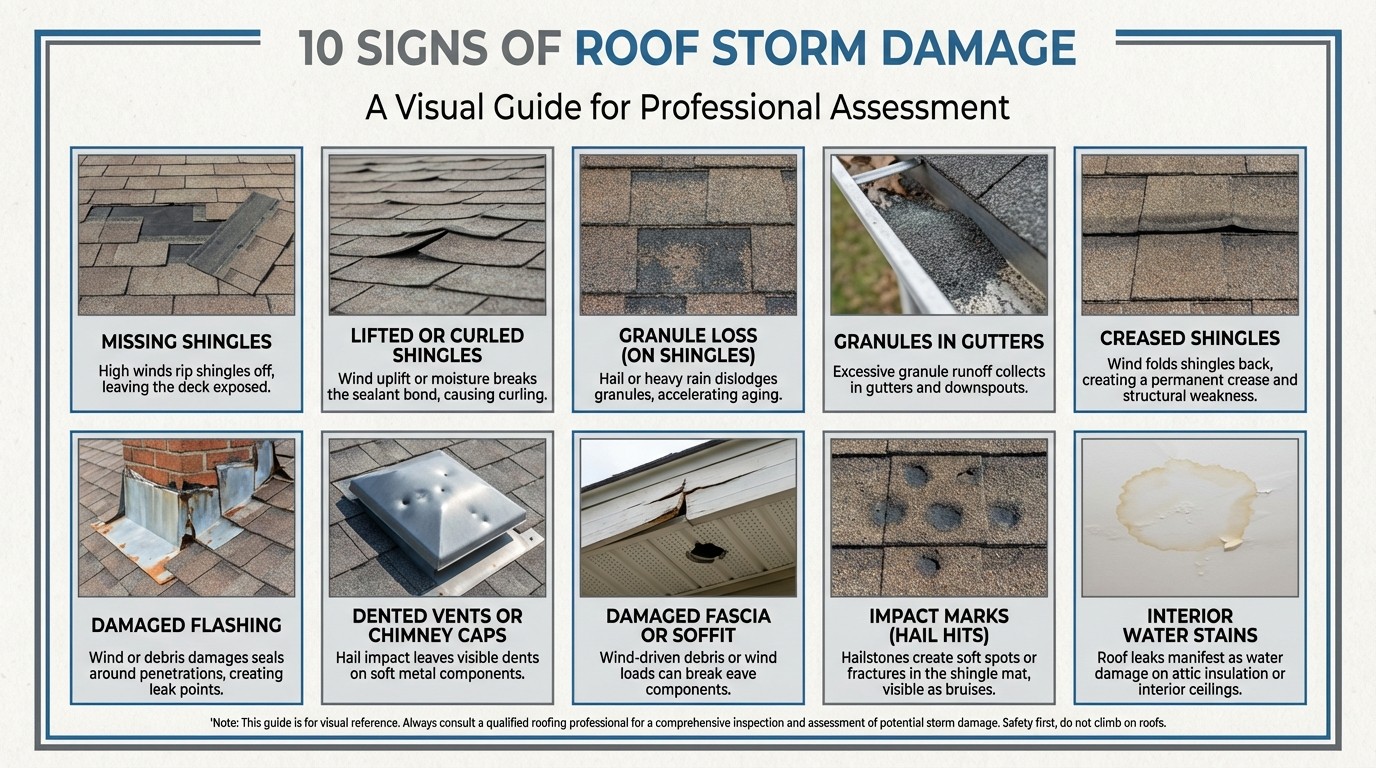
10 Signs of Roof Storm Damage
After any severe weather, check both exterior and interior for these warning indicators.
Exterior Signs
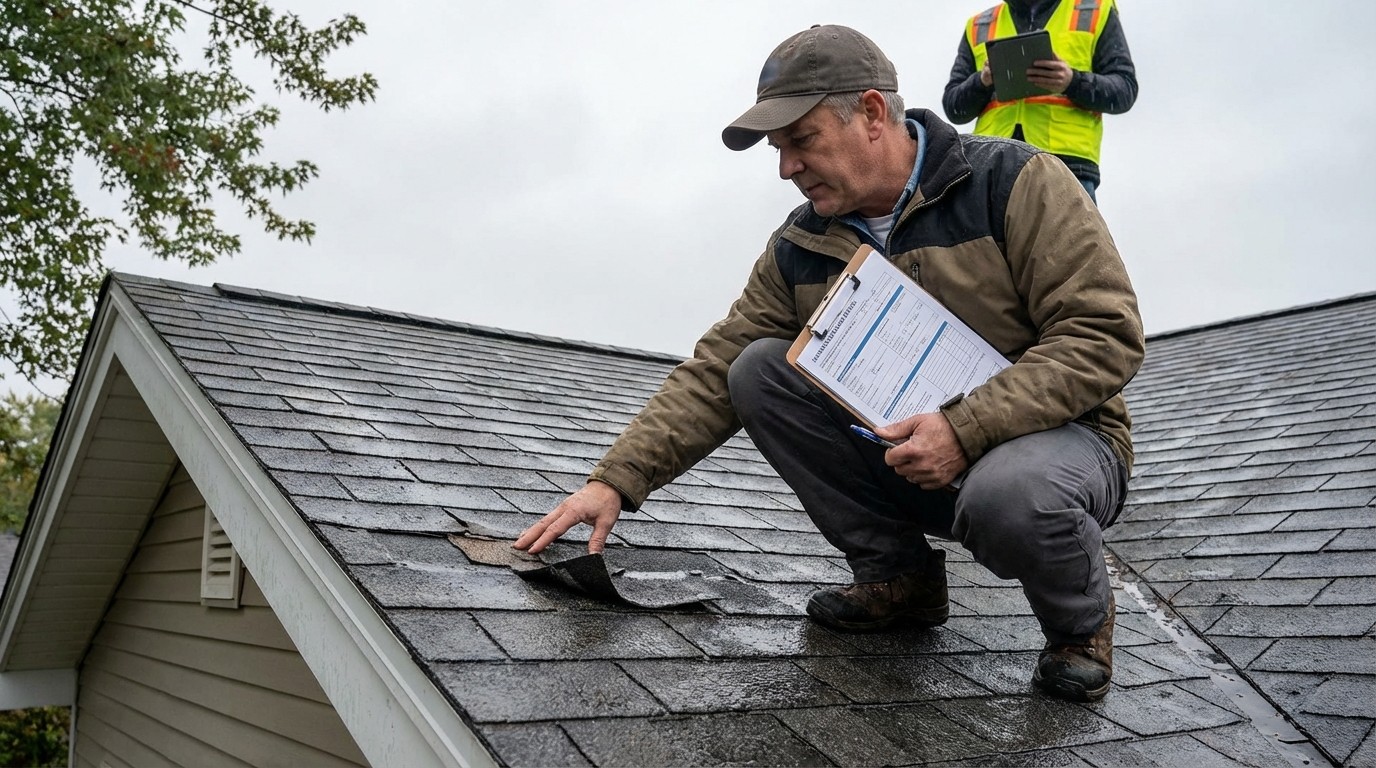
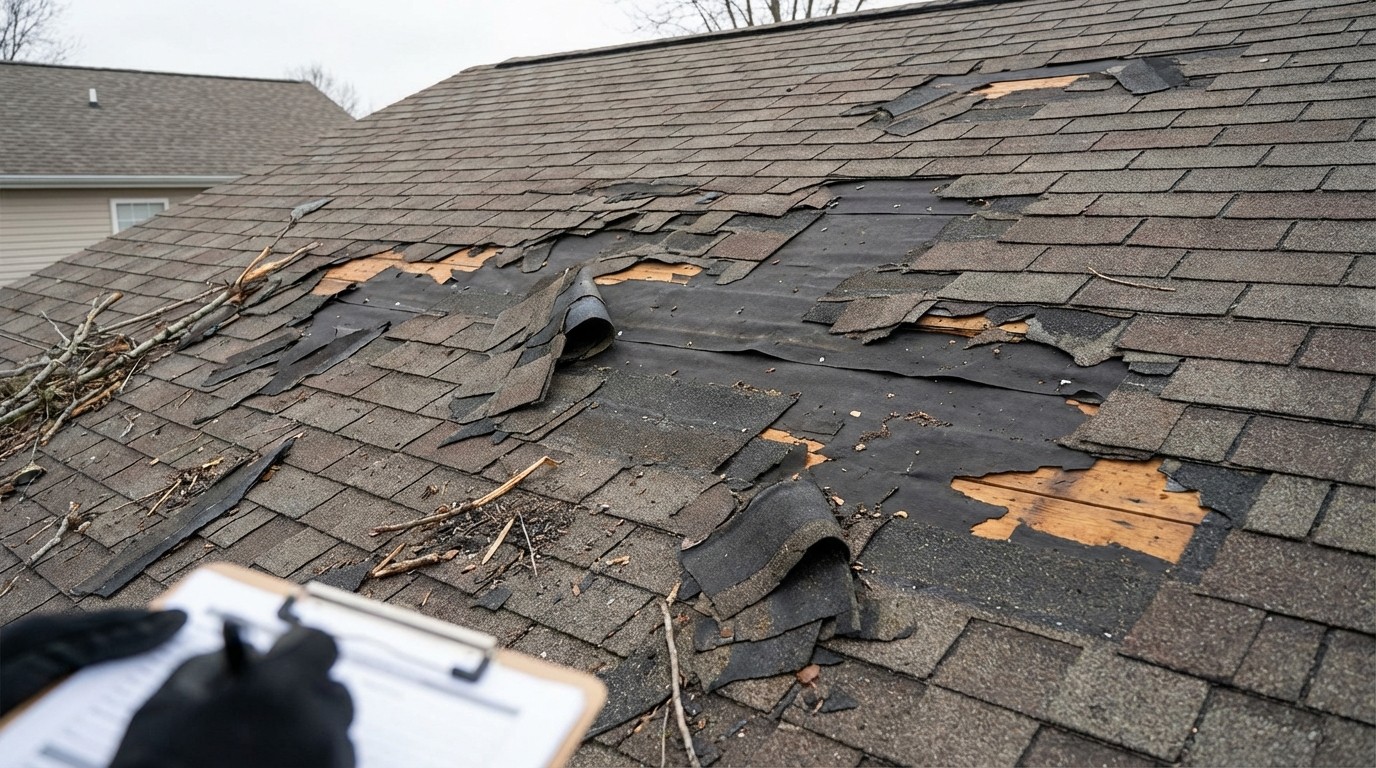
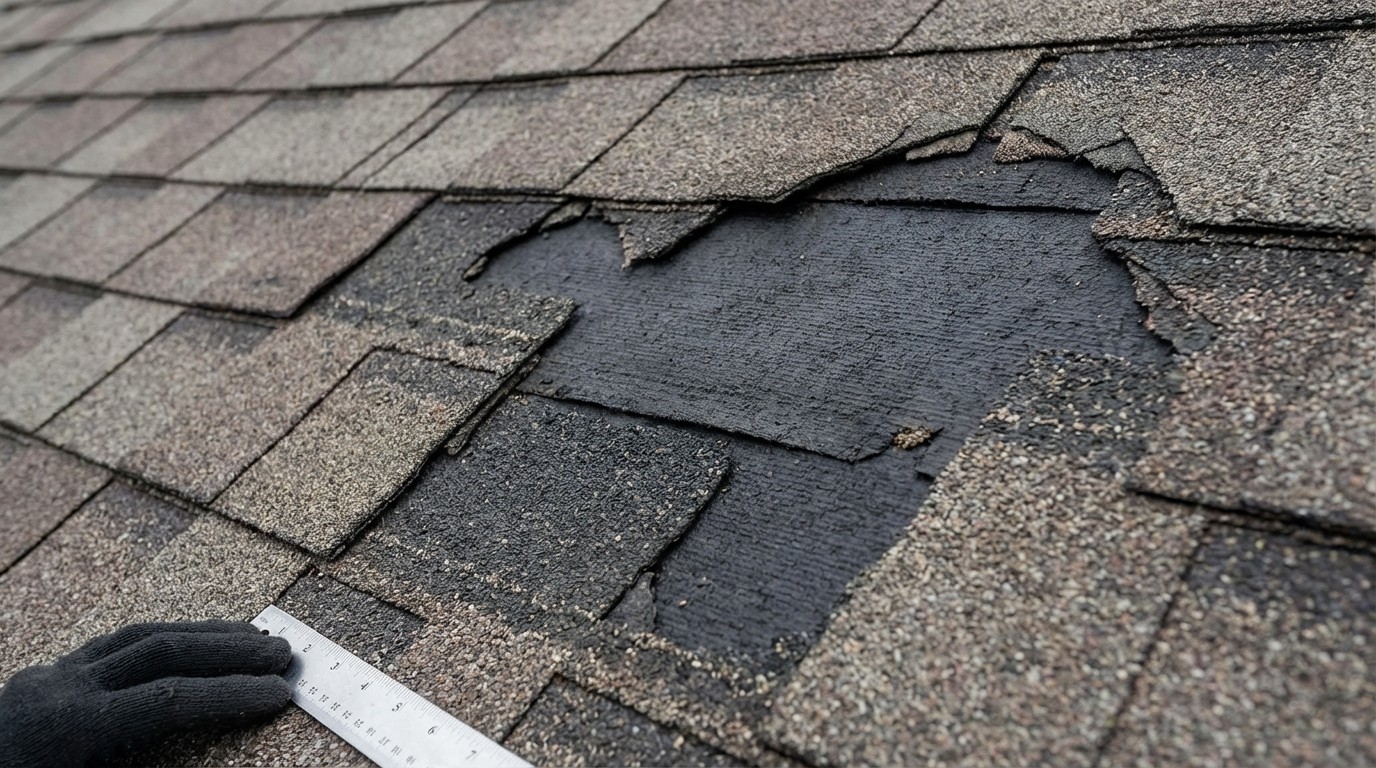
1. Missing or Damaged Shingles: Walk your home's perimeter and scan for bare spots exposing black underlayment or brown deck. Check for cracks, tears, or curling edges. Wind damage concentrates at roof edges, ridges, and corners.
2. Granule Loss in Gutters: Check gutters for dark, sand-like granule piles. Some shedding is normal. Large accumulations indicate damage. Hail and heavy rain strip protective granules. Without them, shingles degrade from UV exposure.
3. Dented or Damaged Flashing: Inspect metal around chimneys, vents, and valleys. Hail creates round dimples. Wind can pull flashing loose. Failed flashing means water enters at critical junctions.
4. Broken or Displaced Gutters: Wind, debris, or ice can pull gutters from fascia or bend them. Check secure attachment along full length. Damaged gutters cannot direct water properly.
5. Tree Debris on Roof: Visible branches indicate impact occurred. Even small debris can crack shingles. Large limbs break through deck. Hire professionals for removal--never climb up yourself.
6. Damaged Roof Vents: Check all vents for cracks, dents, or torn covers. Wind can rip caps off. Damaged vents create immediate leak entry points.
Interior Signs
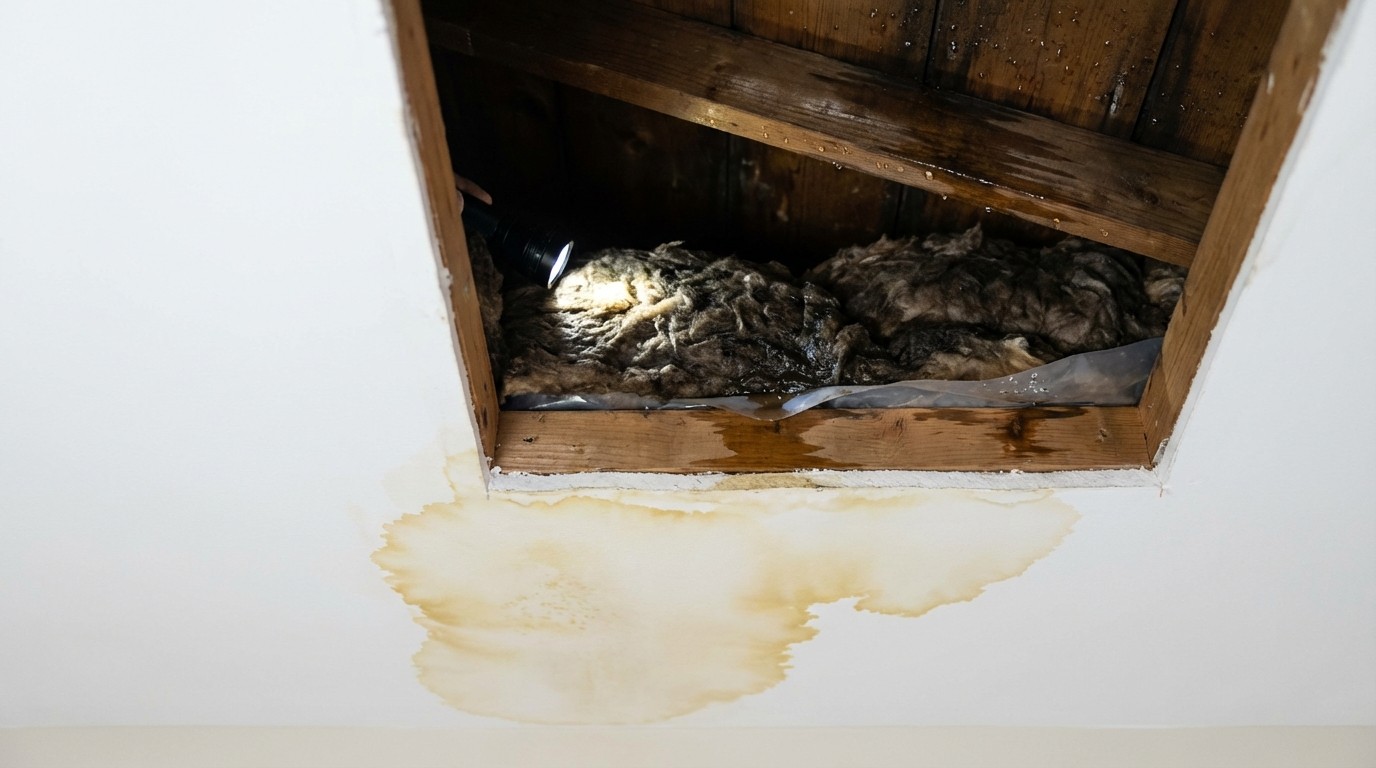
7. Water Stains on Ceilings: Brown or yellow ceiling stains, especially near exterior walls, indicate leaks. Fresh stains appear darker and may feel damp. New staining after storms suggests damage occurred.
8. Attic Moisture: Enter your attic with a flashlight. Look for pooled water, damp insulation, or wet deck boards. Check for dark streaks, staining, or soft spots. Daylight through deck indicates holes. Musty odors suggest ongoing moisture problems.
9. Higher Energy Bills: If heating or cooling bills spike 15-20% in months following a storm without explanation, small roof gaps might be allowing air loss. Not proof alone, but warrants professional inspection.
10. Mold Growth: Mold in attics or along ceiling edges indicates moisture infiltration. If appearing within 2-4 weeks of a storm, timing suggests storm damage caused the problem.
How to Inspect Your Roof Safely
Never climb on your roof immediately after a storm. Wet surfaces are slippery, hidden damage may have weakened structure, and debris creates hazards. Instead, conduct a thorough ground-level inspection. Walk completely around your home's perimeter at 15-20 feet distance. Look up and scan each roof plane systematically. Check all four sides because wind direction creates asymmetric damage. Pay attention to corners, edges, and ridges where forces concentrate.
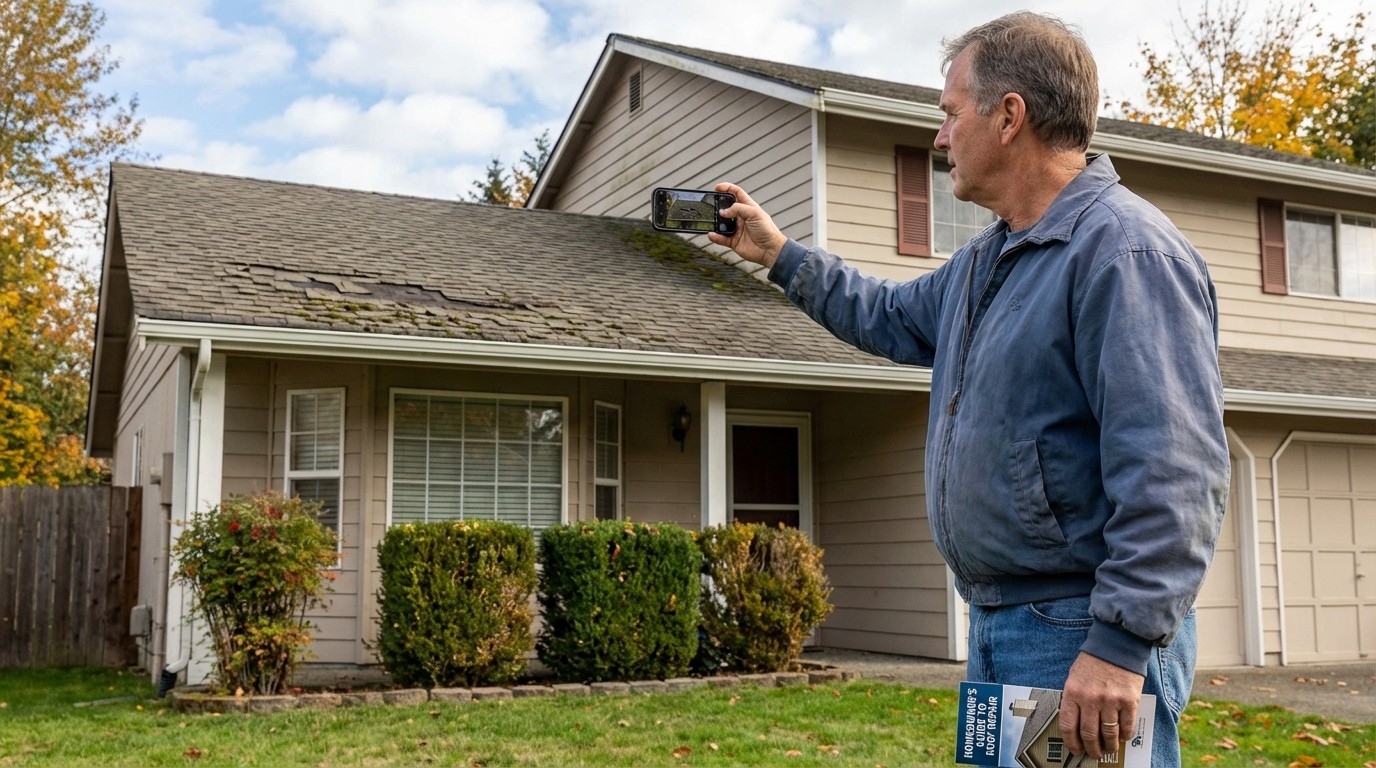
Use binoculars to examine surfaces closely. Check shingle condition for missing pieces, cracks, or lifted edges. Examine flashing around chimneys and vents. Inspect valleys for debris. Check ridge caps along the peak--these often fail first. Photograph everything from multiple angles. Capture wide shots from each side, medium shots of sections, and close-ups of damage. Enable date stamping if available. Photos document conditions for insurance and help contractors assess without immediate roof access. Check your attic from inside. Use a bright flashlight inspecting deck undersides for stains, dampness, or daylight through gaps. Visit during or after rain to spot active leaks clearly. If you identify damage or feel uncertain, contact a professional inspector.
Documenting Storm Damage for Insurance Claims
Obtain Independent Inspection: Hire a local roofing contractor to inspect and document damage professionally. This creates a second expert assessment. Experienced contractors often identify damage adjusters miss. They also provide detailed repair estimates you can compare against insurance assessments. Select established local contractors with verifiable addresses and active licenses. Avoid door-to-door solicitors. Request complete written inspection reports.
Be Present for Adjuster Visit: Make yourself available when the adjuster arrives. Walk them through every damaged area you documented. Share your photographs and contractor report. Adjusters work for the insurance company--their job is controlling costs. Your documentation prevents overlooked damage. Adjusters photograph observed damage, measure roof dimensions, and document findings. They should provide a damage estimate within 7-10 days.
Review Settlement Offer: Compare the insurance estimate against your contractor's assessment. If the offer seems low or omits documented damage, dispute it. Most policies include dispute processes allowing re-inspection. Understand payment structure. ACV policies pay depreciation immediately, then remaining amount after proving repairs completed. RCV policies typically issue single full payment.
Hire Contractor and Begin Repairs: You have the right to choose any licensed, insured contractor. Insurance cannot require using their preferred vendor list. Get multiple quotes even after approval to ensure fair pricing and quality scope. Consider getting a free quote review to verify estimates are reasonable.
Repair Costs by Damage Type
Understanding typical costs helps you evaluate insurance settlements and contractor quotes. Costs vary based on roof size, material type, damage extent, and local labor rates.
Minor Wind Damage: $300-$1,500 - Replacing 10-30 missing shingles, resealing lifted areas, or fixing small torn sections. Takes 2-4 hours with minimal materials. Lower costs apply to easy-access single-story roofs. Higher costs reflect steep pitches or two-story heights.
Hail Damage Repairs: $500-$3,000 - Hail creates scattered damage across roof surfaces. If under 30-40% surface damage, spot repairs work. More extensive damage requires full replacement for appearance and warranty reasons.
Water Leak Fixes: $400-$2,500 - Stopping leaks involves identifying entry points, removing damaged materials, repairing deck if needed, and resealing. Costs vary because source location can be complex. Ceiling stains may appear 10-15 feet from actual damage due to water traveling along deck.
Flashing Replacement: $200-$600 per location - Chimney, valley, or vent flashing costs $200-$600 per area depending on accessibility and complexity. Proper installation requires specialized skills.
Complete Roof Replacement: $8,000-$25,000+ - Full replacement becomes necessary when damage exceeds 40% of surface or when roof age (15+ years) plus damage make repair impractical. Costs depend on total area, material selection (basic shingles $4.50-$6/sq ft, architectural $6-$8/sq ft, metal $8-$14/sq ft), pitch steepness, and structural complexity. Standard 2,000 sq ft homes with architectural shingles typically cost $12,000-$18,000. Insurance coverage depends on policy type and age. ACV policies on 15-year roofs might pay only 50% due to depreciation.
Avoiding Storm Chaser Scams
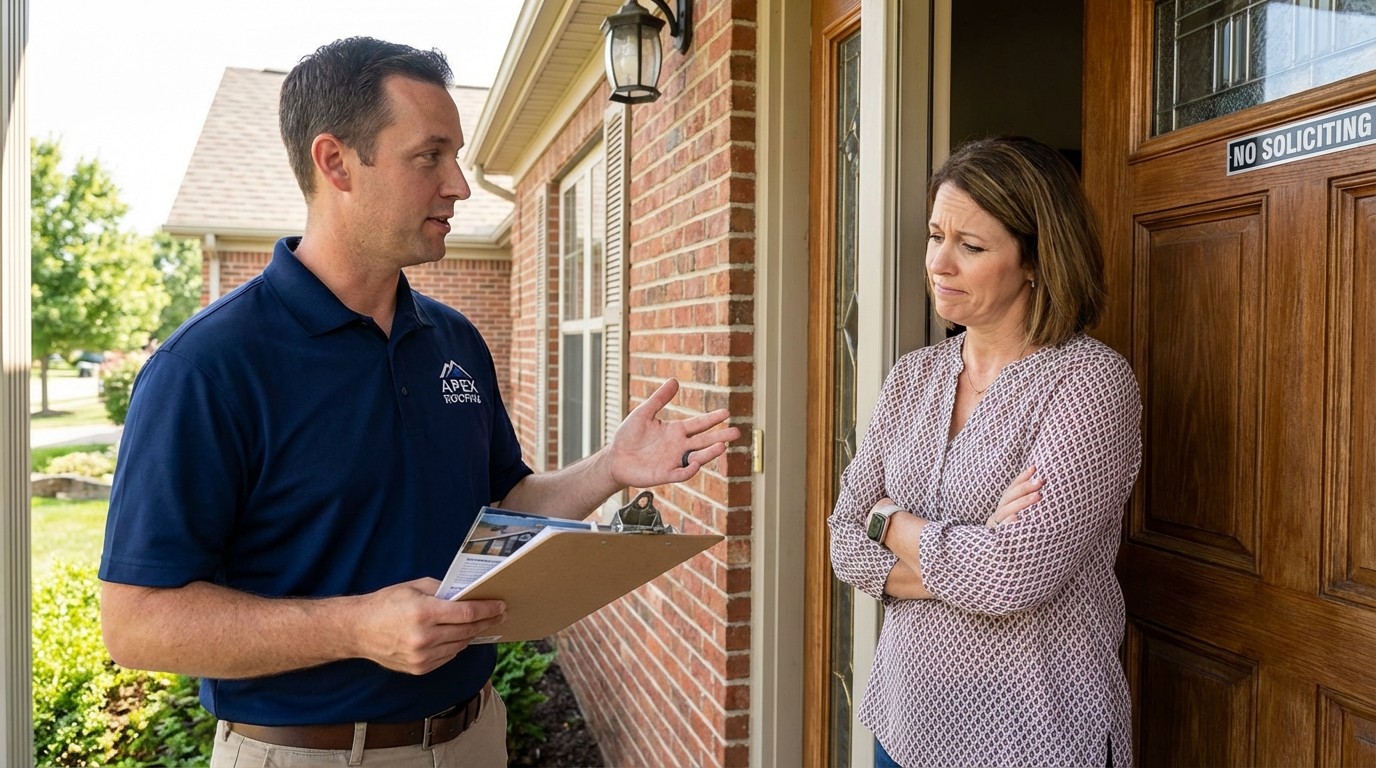
Storm chasers are contractors who flood areas after weather events seeking quick jobs. They lack local accountability, presenting serious risks homeowners should understand. The problem is geographic distance. Storm chasers operate from out-of-state, work a region for 2-4 weeks, then leave. When problems surface months later, finding them becomes impossible. They have no local office, use temporary phones, and have no reputation to protect.
Red Flags Identifying Storm Chasers: Unsolicited door-knocking within 24-72 hours of storms. Immediate aggressive solicitation right after disasters is the classic approach. False urgency tactics claiming pricing expires today, materials are running short, or your roof will fail within days. These prevent you from getting competing quotes or researching their company. Large upfront deposits (50%+ of total). Standard deposits are 10-30% for materials only. Excessive deposits create risk--some collect from multiple homeowners then disappear. Offers to pay your deductible or inflate damage reports. Both constitute insurance fraud and can lead to serious consequences. No verifiable local address--only mobile numbers and PO boxes.
Verify Contractors Before Signing: Search their business name plus "complaints" online. Check Better Business Bureau ratings for patterns. Multiple complaints about abandoned jobs indicate problems. Request license numbers and insurance certificates, then verify independently. Call your state licensing board confirming license status. Call their insurance company (not the contractor) verifying active coverage. Get 3-4 written quotes from different local contractors. Price competition ensures fair rates. Local contractors with 5+ years established business provide accountability storm chasers cannot match.
Repair vs Replacement Decision
Not every storm damage situation requires complete replacement. Understanding the factors helps you decide.
When Repair is Appropriate: Damage is confined to less than 30% of roof surface. If missing shingles or localized damage affects specific sections while most roof remains intact, targeted repair works. Your roof is less than 12-15 years old. Newer roofs have significant remaining life worth preserving. Repair costs are under 30-40% of replacement cost. When repairs approach this threshold, replacement provides better value. Matching materials are available. Current production shingles in matching colors blend invisibly.
When Replacement Makes Sense: Damage exceeds 40% of roof surface. Insurance companies routinely approve replacement at this threshold. Your roof is 15+ years old before considering new damage. Combining age-related deterioration with fresh damage means replacement likely within 3-5 years anyway. Multiple previous repairs exist. Heavily patched roofs become difficult to warranty. Structural damage occurred beyond surface materials. If wind removed sections exposing deck or debris punctured through to attic, deck boards or rafters may need repair. At this level, full replacement often costs only marginally more.