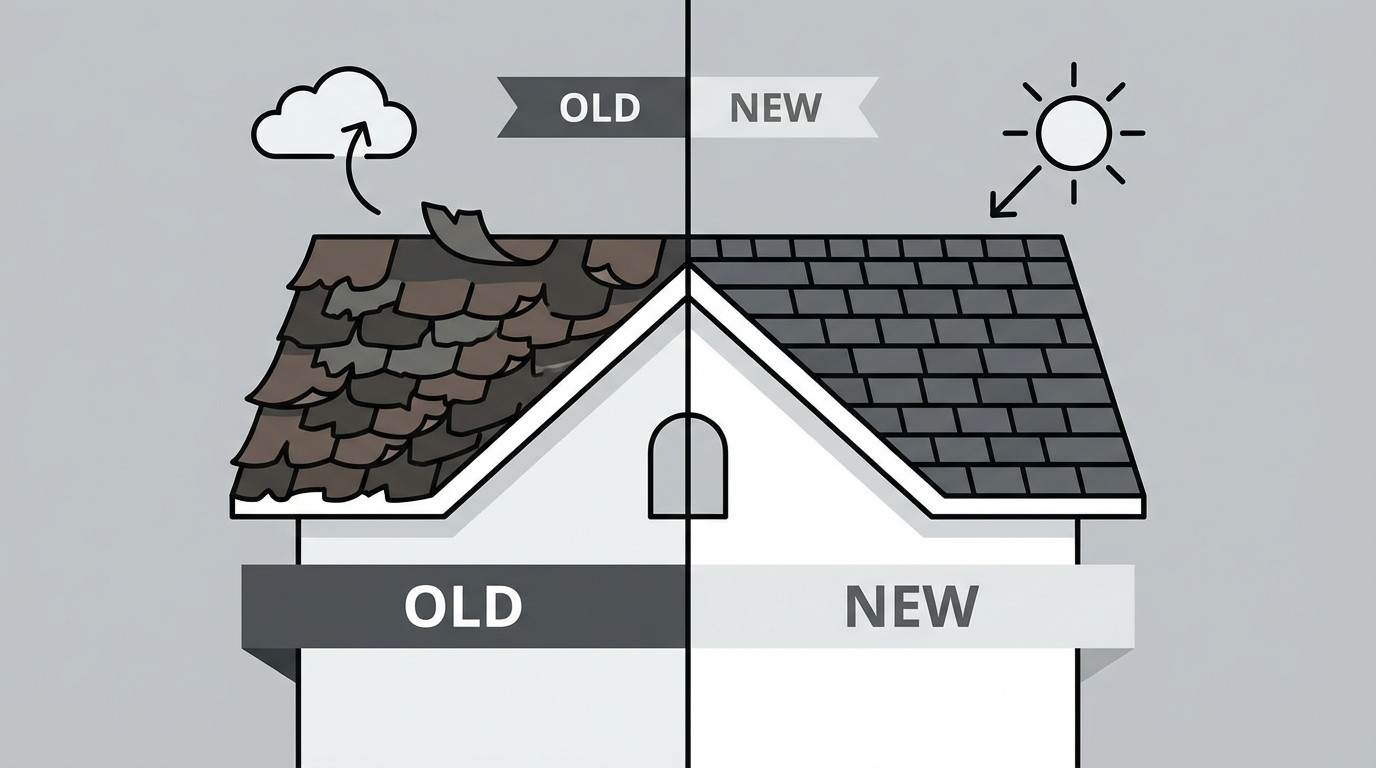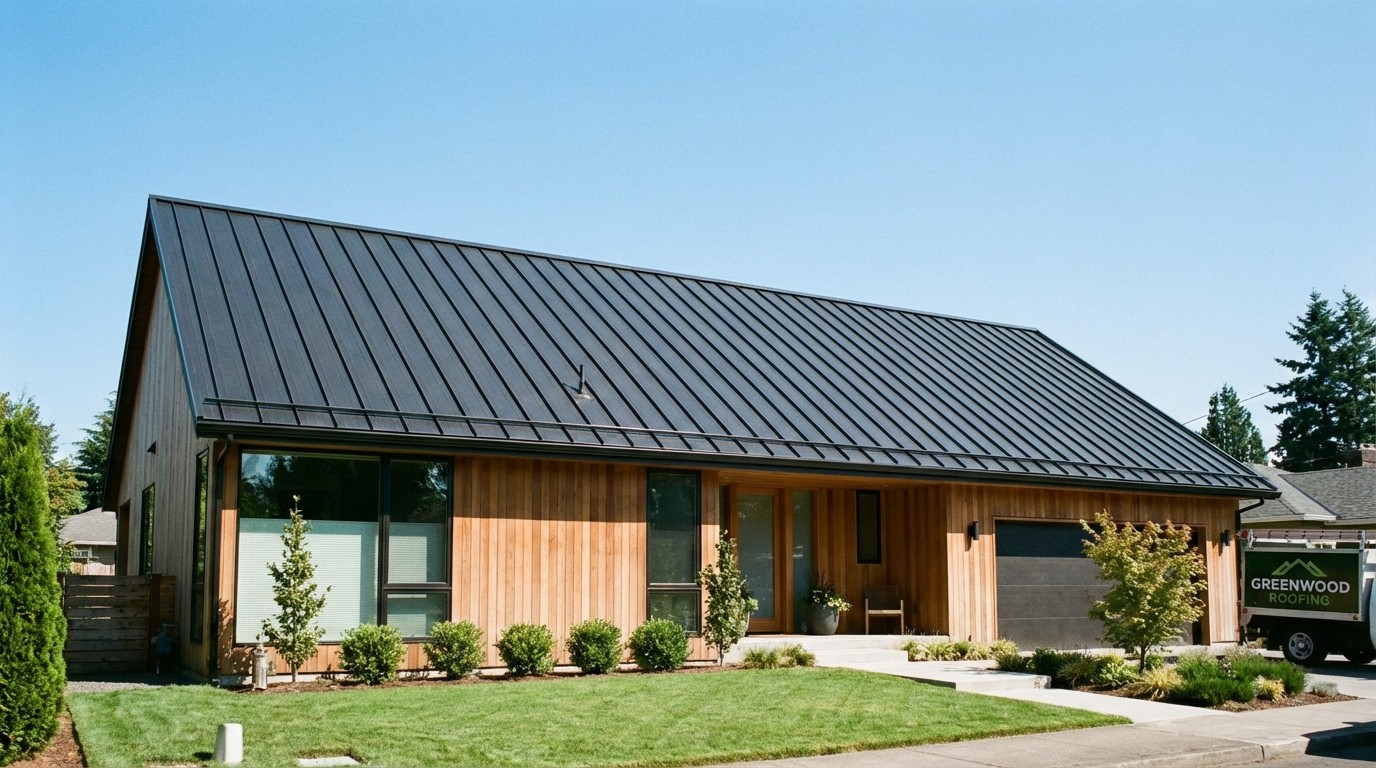
Metal roofs last 40 to 70 years compared to just 15 to 25 years for asphalt shingles. That exceptional durability comes at a higher upfront cost, but many homeowners find the long-term value makes metal roofing a smart investment for their property.
If you are researching metal roof installation cost for your home, you have probably seen confusing price ranges that vary widely. Some quotes might seem surprisingly affordable while others feel astronomical. The difference comes down to material type, installation complexity, and your local labor market conditions.
This guide breaks down exactly what you can expect to pay for a metal roof in 2026. You will learn average costs by material type, understand what drives price differences, and discover how to get the best value for your roofing investment. Whether you are building new or replacing an aging roof, this information will help you budget accurately and compare contractor quotes with confidence.
Average Metal Roof Installation Costs
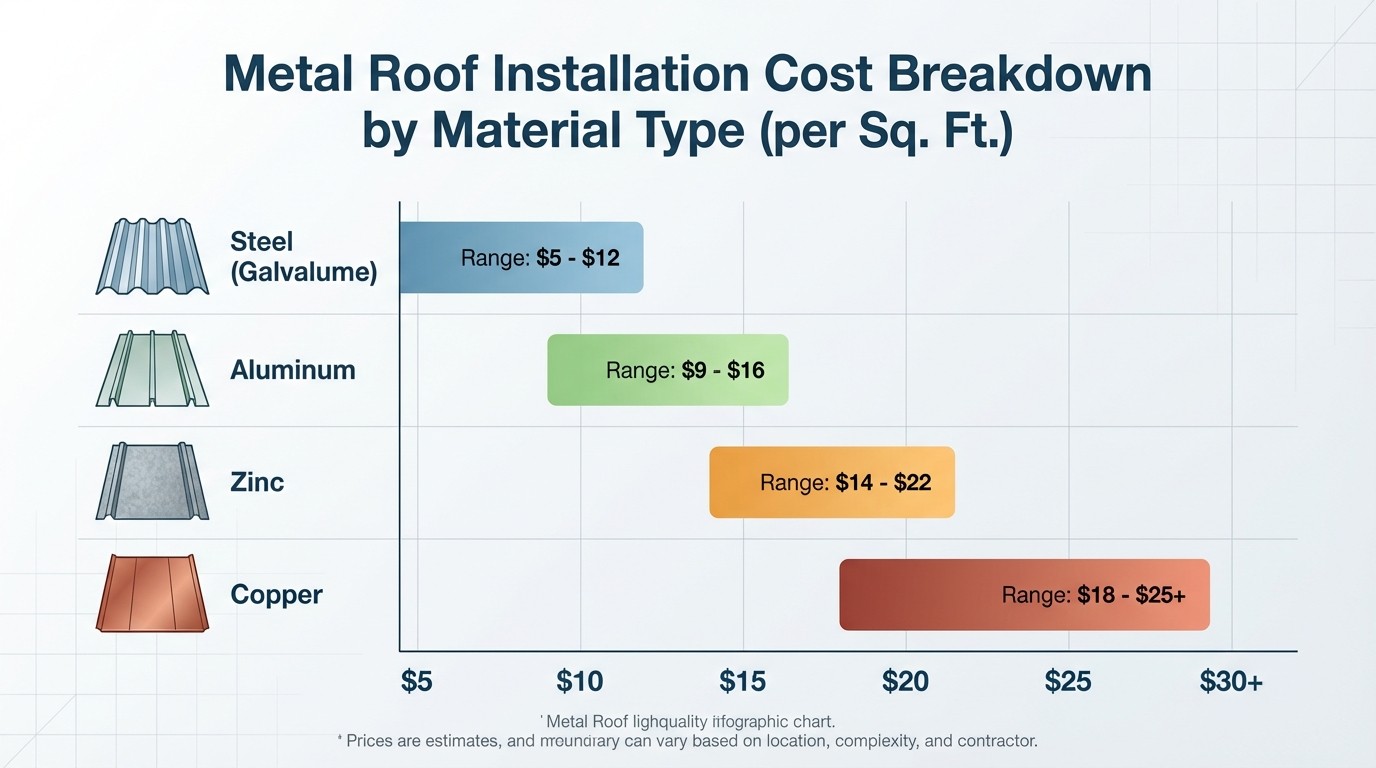
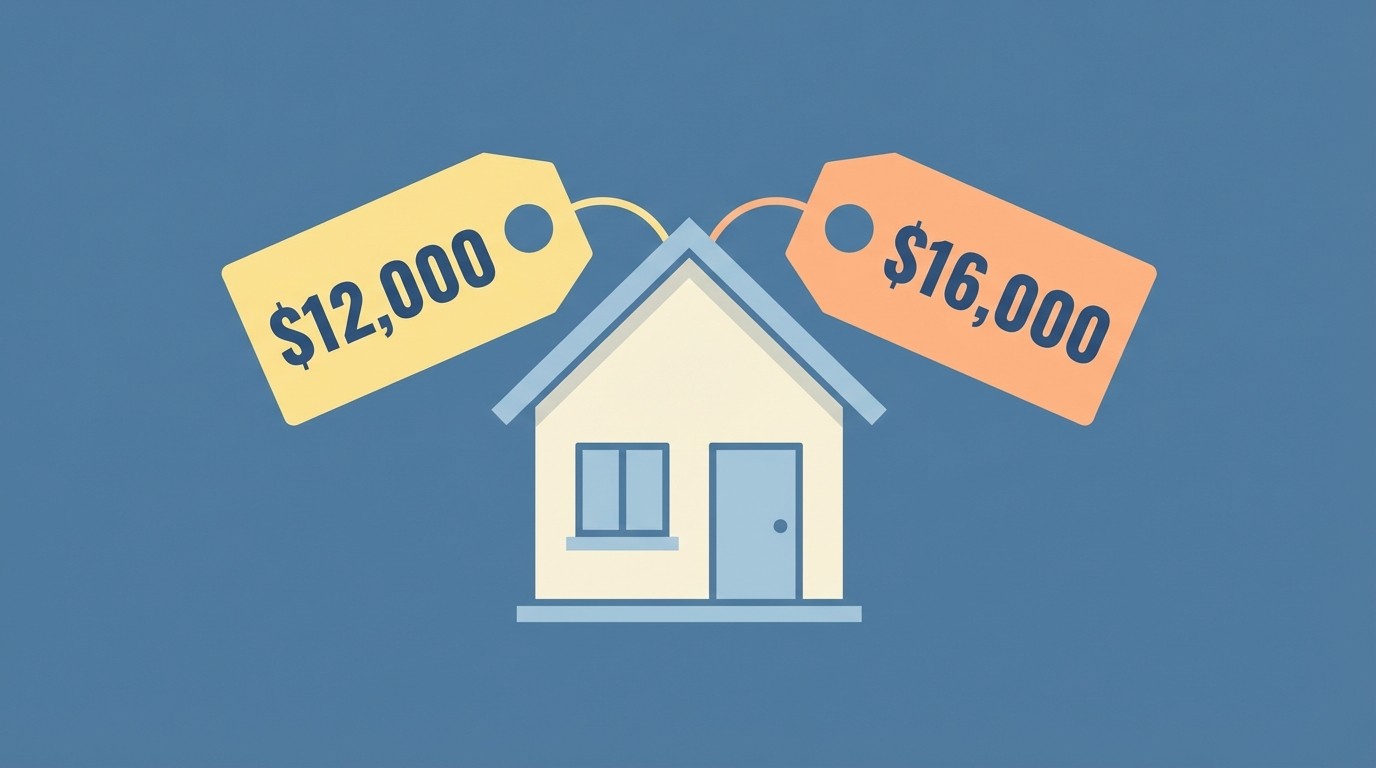
Metal roof installation cost typically ranges from $5 to $16 per square foot for materials and labor combined. For most homes, that translates to a total project cost between $10,000 and $40,000 depending on size and material selection.
Here is what you can expect to pay based on your home size:
Home Size (Sq Ft) | Low Estimate | Mid-Range | High Estimate |
|---|---|---|---|
1,000 | $5,000 | $10,500 | $16,000 |
1,500 | $7,500 | $15,750 | $24,000 |
2,000 | $10,000 | $21,000 | $32,000 |
2,500 | $12,500 | $26,250 | $40,000 |
3,000 | $15,000 | $31,500 | $48,000 |
The wide range in pricing comes from several factors. Entry-level corrugated metal panels cost far less than premium standing seam systems. Complex roof designs with multiple valleys, dormers, and skylights require more labor and specialized flashing work.
Your geographic location also affects pricing significantly. Labor rates in major metropolitan areas typically run 20% to 40% higher than rural regions. Material costs can vary based on local supplier availability and shipping distances from manufacturing facilities.
Coastal regions often require marine-grade fasteners and coatings that add to material costs. Areas prone to high winds or heavy snow may need upgraded attachment systems to meet local building codes and ensure long-term performance.
To get a personalized estimate based on your specific situation, use a roofing calculator to input your roof measurements and location for more accurate pricing.
Metal Roof Cost by Material Type
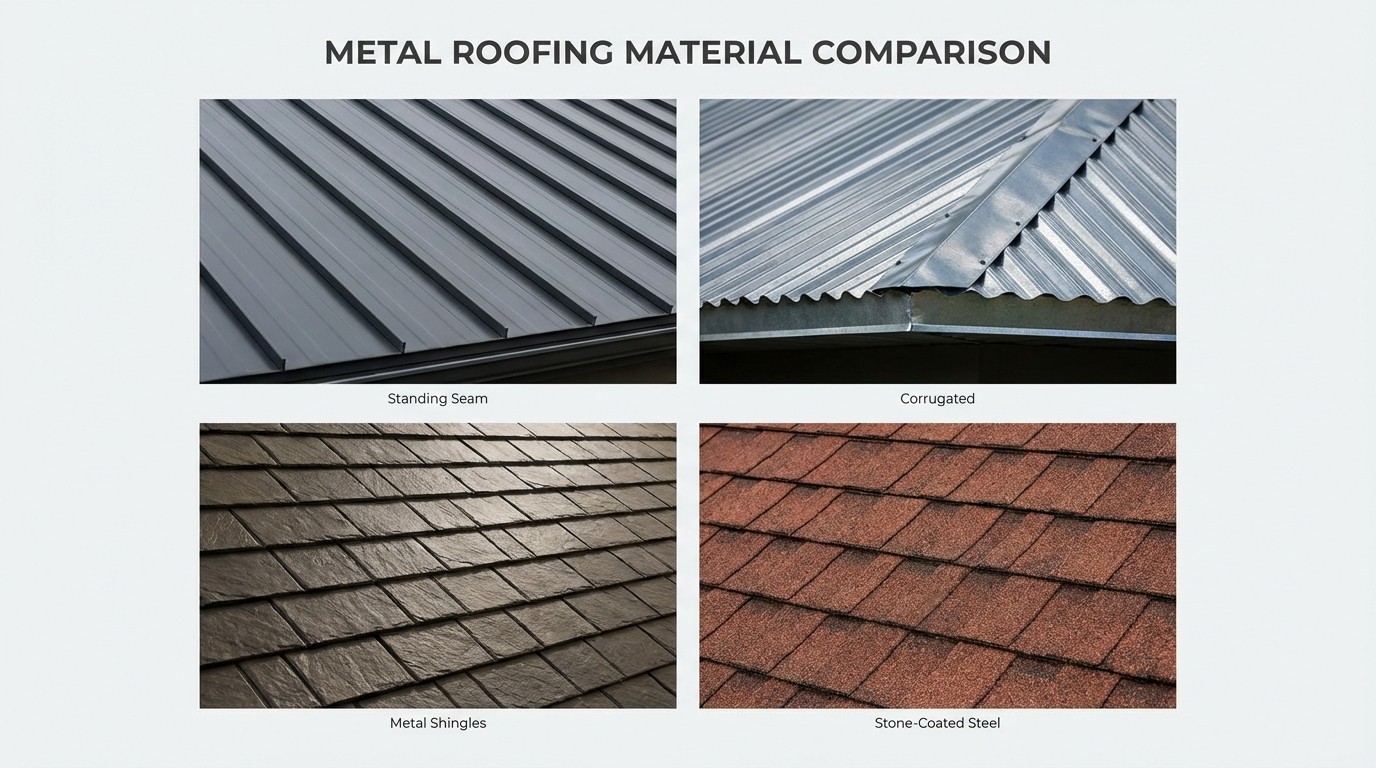
Not all metal roofs are created equal. The material you choose has the biggest impact on your total installation cost and will determine how long your roof lasts.
Corrugated Metal Panels
Corrugated metal panels cost $5 to $8 per square foot installed. These exposed fastener systems offer the most affordable entry point into metal roofing for budget-conscious homeowners.
The panels feature a wavy profile that provides structural rigidity without excessive material thickness. Installation goes quickly since large panels cover more area with fewer seams. Most corrugated panels come pre-painted in a variety of colors to match your home exterior.
The tradeoff is aesthetics and longevity. Exposed fasteners can loosen over time and may require periodic maintenance to prevent leaks. Corrugated panels work well for barns, sheds, and budget-conscious residential projects where appearance matters less than pure function and cost savings.
Metal Shingles
Metal shingles cost $7 to $10 per square foot installed. These products mimic the look of traditional asphalt, slate, or wood shake while delivering metal durability and superior weather resistance.
Homeowners choose metal shingles when they want improved performance without drastically changing their home's appearance. Many HOA-restricted neighborhoods approve metal shingles where they might reject standard panels due to aesthetic concerns.
Installation requires more labor than corrugated panels since each shingle must be individually placed and secured. The result is a cleaner look with hidden fasteners and better weather resistance at the seams.
Standing Seam Metal Roofs
Standing seam metal roof cost runs $10 to $16 per square foot installed. This premium option represents the gold standard in residential metal roofing for discerning homeowners who prioritize longevity.
Raised seams connect panels without exposed fasteners anywhere on the roof surface. This design eliminates the main failure point in cheaper metal roof systems. Standing seam roofs can last 50 years or longer with minimal maintenance requirements.
The clean vertical lines create a modern aesthetic that works well with contemporary architecture. Many homeowners consider standing seam worth the premium for its combination of durability, appearance, and superior weather performance in all climates.
Copper and Zinc Roofing
Specialty metals like copper and zinc cost $15 to $25 per square foot or more. These materials develop distinctive patinas over time and can last well over 100 years with proper installation.
Copper roofing starts bright and eventually turns to that familiar green patina seen on historic buildings and churches. Zinc develops a bluish-gray protective layer that self-heals minor scratches. Both materials offer exceptional durability and unique beauty.
These premium options typically appear on high-end custom homes, historic restorations, and architectural accent applications rather than whole-house installations due to their significant cost premium.
When comparing options, consider how different materials balance upfront cost against lifespan and maintenance needs. You can compare roofing materials in detail to find what fits your priorities and budget.
Labor Costs for Metal Roof Installation
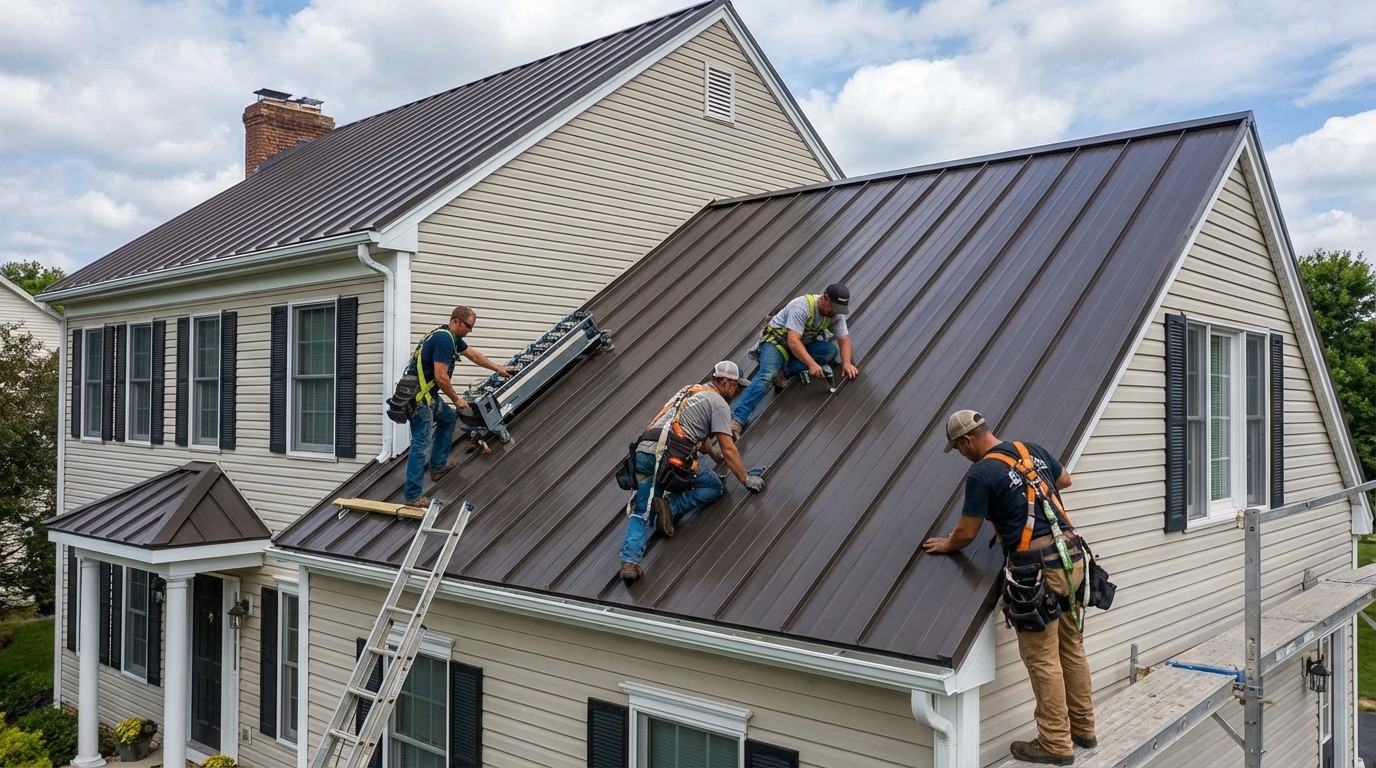
Metal roof labor cost typically runs $2 to $5 per square foot, representing 40% to 60% of your total project cost. Skilled installation makes the critical difference between a roof that lasts decades and one that fails prematurely due to poor workmanship.
Metal roofing requires specialized knowledge that not all roofers possess. Proper panel alignment, correct fastener spacing, and accurate flashing installation all demand specific training and hands-on experience with metal systems.
Labor rates vary based on several project-specific factors:
Roof complexity: Simple gable roofs cost less than multi-faceted designs with dormers
Roof pitch: Steeper slopes require additional safety equipment and slower work pace
Accessibility: Second-story roofs and limited yard access increase labor time significantly
Local market rates: Wages differ substantially by region and season
Some homeowners consider DIY installation to save on labor costs. While possible for simple corrugated panel systems, most metal roofing projects benefit greatly from professional installation. Improper installation can void manufacturer warranties and lead to leaks, wind damage, or premature failure that costs more than you saved.
Contractor experience matters more for metal than asphalt shingles. Before hiring anyone, prepare a list of questions to ask a roofer to evaluate their specific metal roofing experience and manufacturer certifications.
Metal Roof vs Shingles Cost Comparison
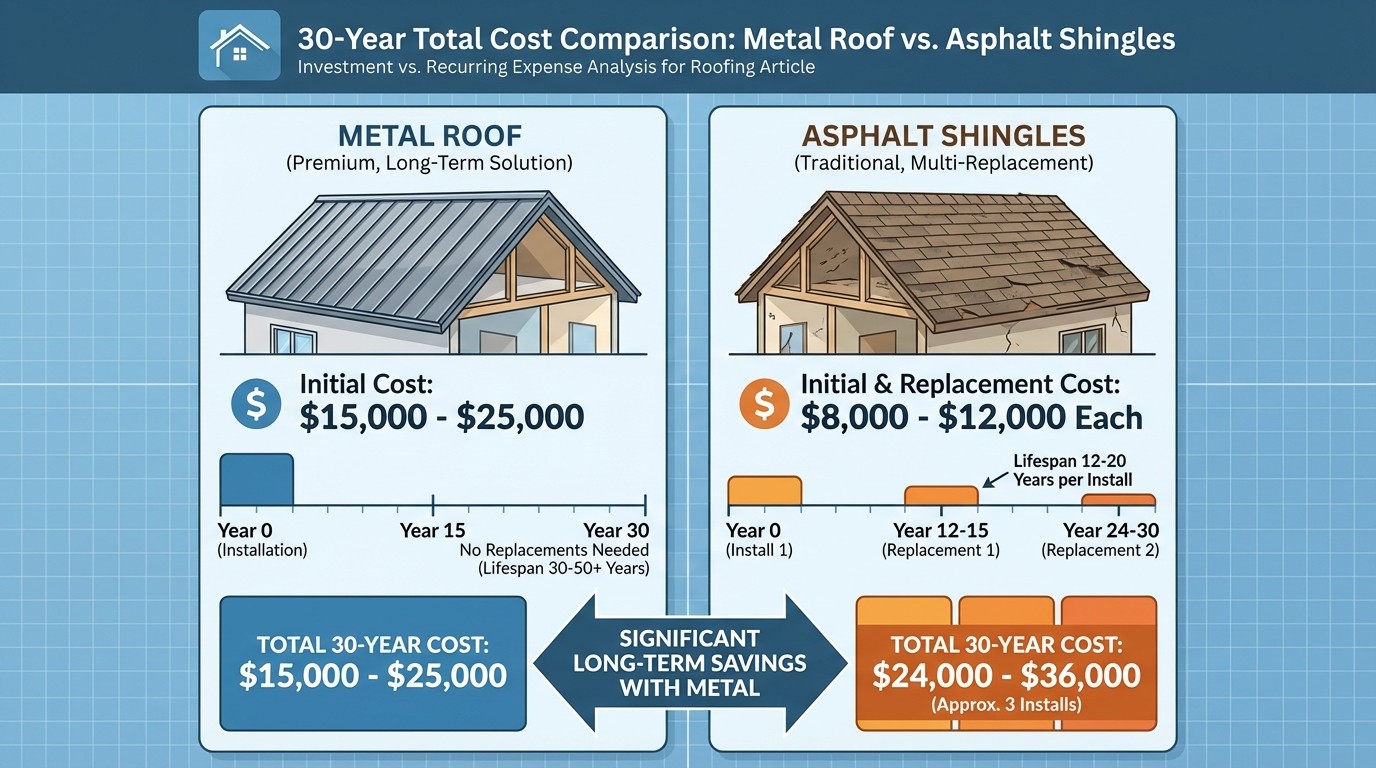
The metal roof vs shingles cost debate extends far beyond the initial price tag. While metal costs more upfront, the long-term math often favors metal roofing for homeowners planning to stay in their homes for many years.
Upfront Cost Comparison
Roof Type | Cost Per Sq Ft | 2,000 Sq Ft Home |
|---|---|---|
3-Tab Shingles | $3-$5 | $6,000-$10,000 |
Architectural Shingles | $4-$7 | $8,000-$14,000 |
Metal Shingles | $7-$10 | $14,000-$20,000 |
Standing Seam Metal | $10-$16 | $20,000-$32,000 |
Metal roofing costs roughly double what architectural shingles cost for the same home. That gap narrows significantly when you consider the full ownership picture over time.
30-Year Cost of Ownership
Over three decades, a standing seam metal roof typically costs less than repeatedly replacing asphalt shingles would.
Asphalt Shingles (30 years):
Initial installation: $12,000
Replacement at year 20: $15,000 (inflation adjusted)
Maintenance and repairs: $3,000
Total: $30,000
Standing Seam Metal (30 years):
Initial installation: $26,000
Maintenance costs: $500
Total: $26,500
The metal roof saves $3,500 over 30 years while avoiding the hassle and disruption of a mid-life replacement project.
Additional Long-Term Savings
Metal roofs offer savings beyond simply avoiding replacement costs:
Energy efficiency: Reflective coatings can reduce cooling costs, as documented by the Department of Energy 10% to 25% in warm climates
Insurance discounts: Many insurers offer 5% to 35% premium reductions for impact-resistant metal roofs
Home value increase: Metal roofs can boost resale value and attract quality-focused buyers
For a comprehensive analysis, read our full metal vs shingles comparison.
Factors That Affect Installation Cost
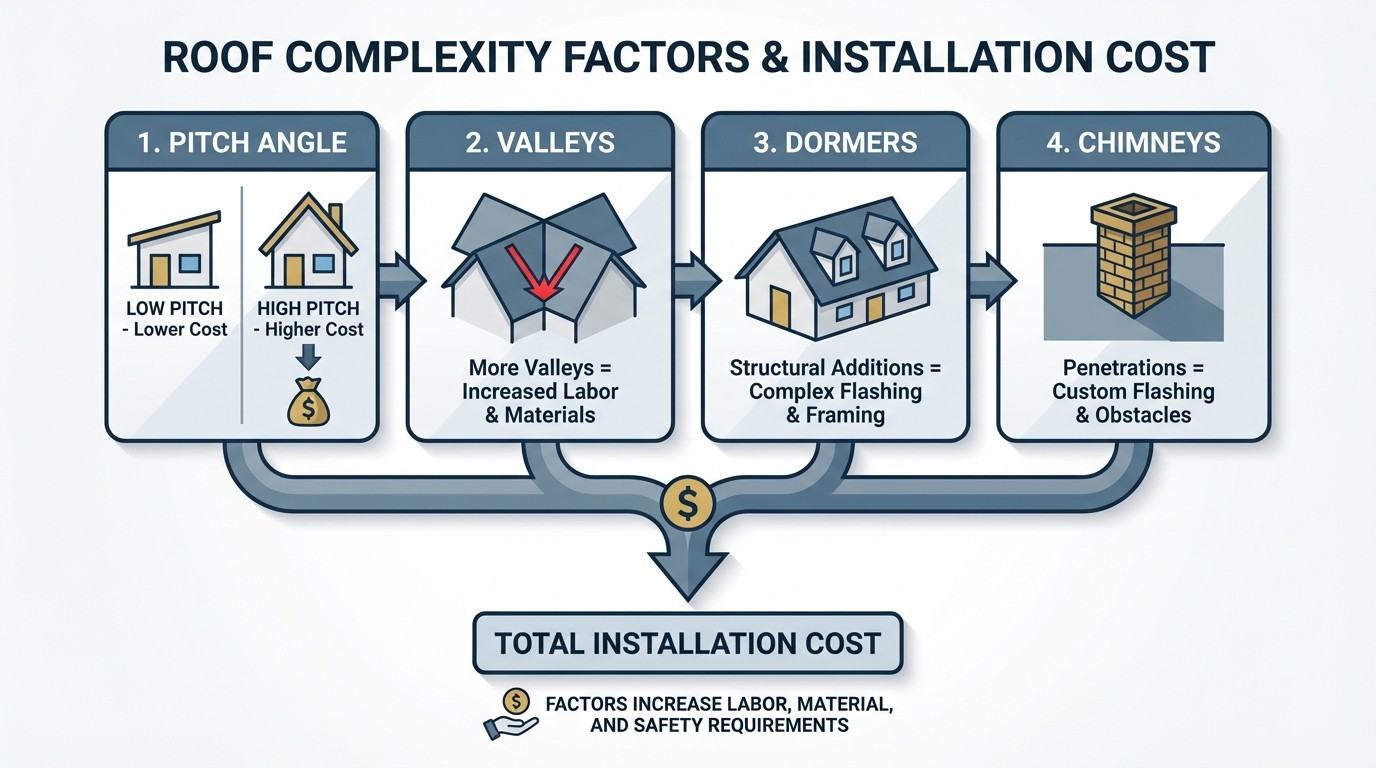
Several variables influence your final metal roof installation cost beyond just material choice. Understanding these factors helps you anticipate your actual project cost.
Roof Size and Pitch
Larger roofs require more materials and labor hours, increasing total cost proportionally. Steeper pitches slow installation significantly and require additional safety measures for workers.
Roofs with pitches above 6:12 typically add 10% to 20% to labor costs. Extremely steep roofs may require scaffolding or specialized equipment that further increases expenses.
Tear-Off and Disposal
Removing your existing roof adds $1 to $2 per square foot to the project total. Some metal roofing systems can install over existing shingles, potentially saving this cost entirely.
Installing over existing materials works only when the current roof is in good condition with sound decking underneath and when local codes permit overlay installation. Your contractor should thoroughly inspect the decking for rot or damage before recommending this approach.
Geographic Location
Regional labor rates and material availability affect pricing noticeably. Coastal areas may require upgraded fasteners and materials rated for salt air exposure and high wind conditions.
Urban markets typically command higher labor rates than rural areas. However, rural projects may face increased delivery costs for materials shipped from distant distribution centers.
Roof Complexity
Every valley, dormer, skylight, and chimney adds installation time and requires custom flashing work. A simple rectangular roof costs significantly less than a complex multi-faceted design.
Hip roofs cost more than gable roofs due to additional ridge work. Multiple roof levels and architectural details increase both material waste and labor requirements substantially.
How to Save on Metal Roof Installation
Smart planning can reduce your metal roof installation cost without sacrificing quality or longevity. These strategies help you get the best value.
Get multiple quotes. Collect at least three to five detailed estimates from licensed contractors. Compare line-by-line rather than just bottom-line prices to understand what each includes.
Time your project strategically. Late fall and winter often bring slower schedules and more competitive pricing from contractors seeking work. Avoid the spring storm season when contractors are busiest and least flexible on pricing.
Consider material alternatives. If standing seam exceeds your budget, quality metal shingles offer similar durability at meaningfully lower cost while still outperforming asphalt.
Ask about financing options. Many contractors offer payment plans that spread costs over time. Some manufacturers provide promotional financing that can make premium materials more accessible.
Verify all credentials. Confirm your contractor carries proper licensing, insurance, and manufacturer certifications before signing anything. Poor installation creates costly problems that quickly erase any upfront savings you gained.
Get your quote reviewed by an expert using our free quote review service to ensure you are getting fair, competitive pricing.