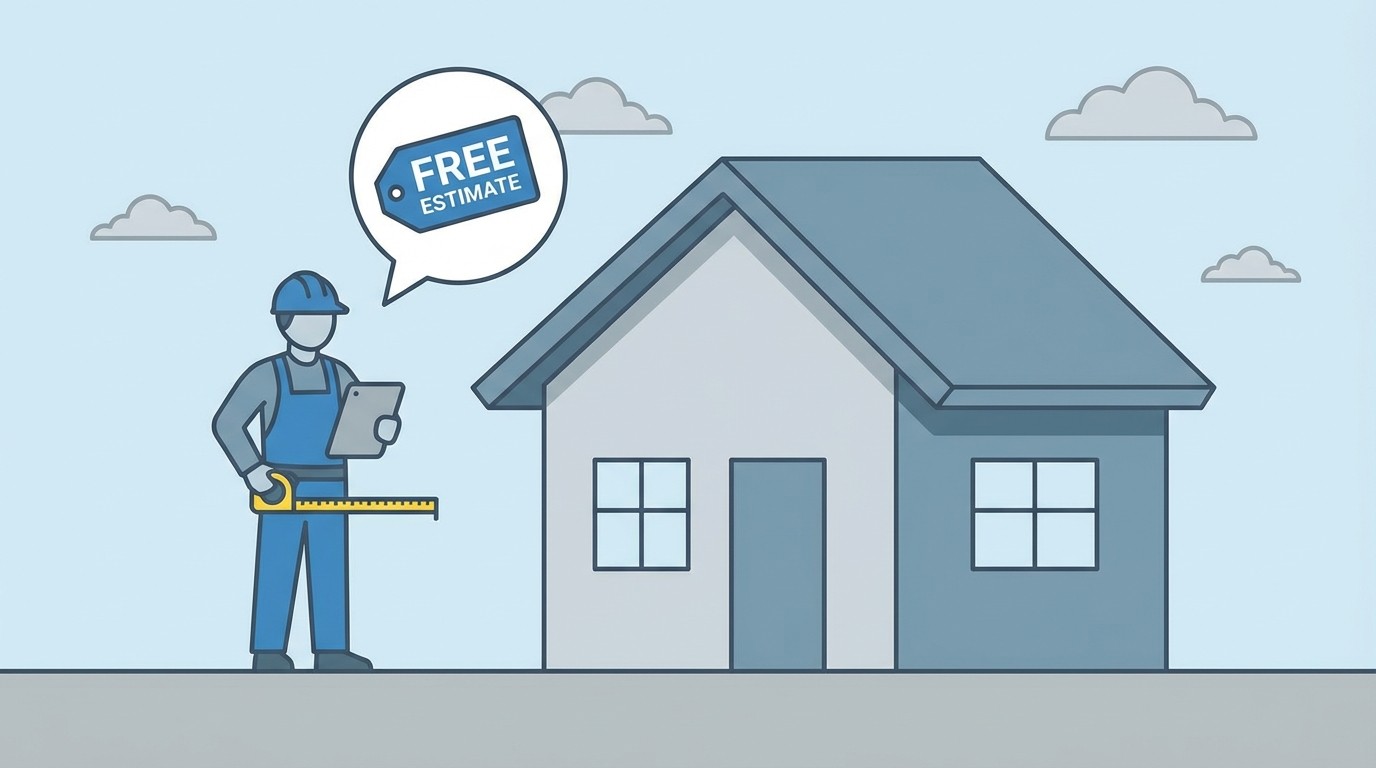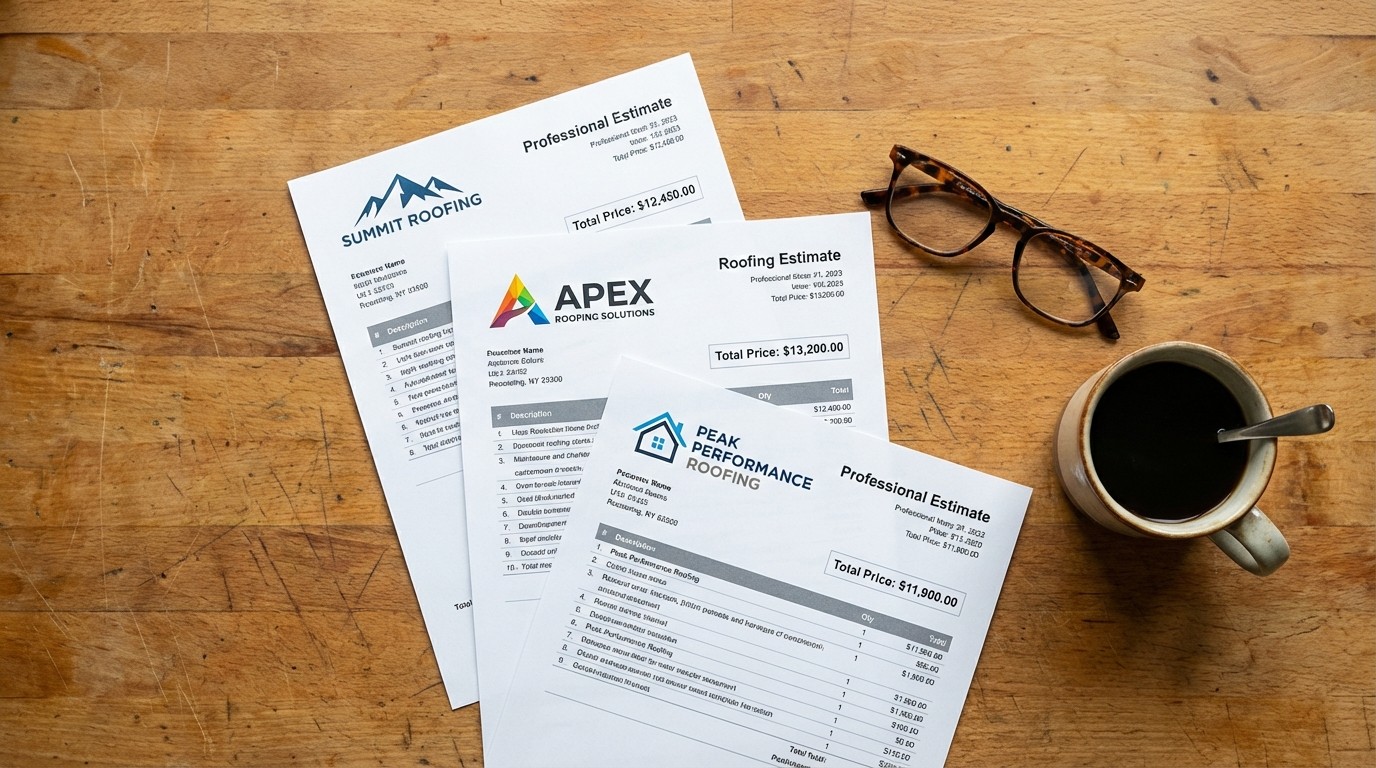
Get between 3 and 5 roof quotes before you hire anyone. That's the sweet spot. Fewer than three and you're flying blind on pricing. More than five and you'll probably just confuse yourself with too many options.
Why does this matter so much? Because the spread between the highest and lowest quote on the exact same roof can hit $5,000 or more. That's not a typo. Same house, same shingles, same job, wildly different prices. Without multiple quotes in hand, you'd never know if you were getting a fair deal or getting taken for a ride.
Why You Can't Just Get One Quote and Call It a Day
Roofing isn't like buying a TV where you can look up the price online and know what something should cost. There's no standard rate. Two roofers can walk the same roof, measure the same squares, and come back with numbers that are thousands of dollars apart.
Neither one is necessarily ripping you off either. They've got different suppliers, different crew costs, different overhead. One guy might be slammed with work and bidding high because he doesn't really need your job. Another might be hungry for work and sharpening his pencil to win it.
The National Roofing Contractors Association tells homeowners to get multiple bids, and they're not just saying that to create busywork. They know how much variation exists out there.
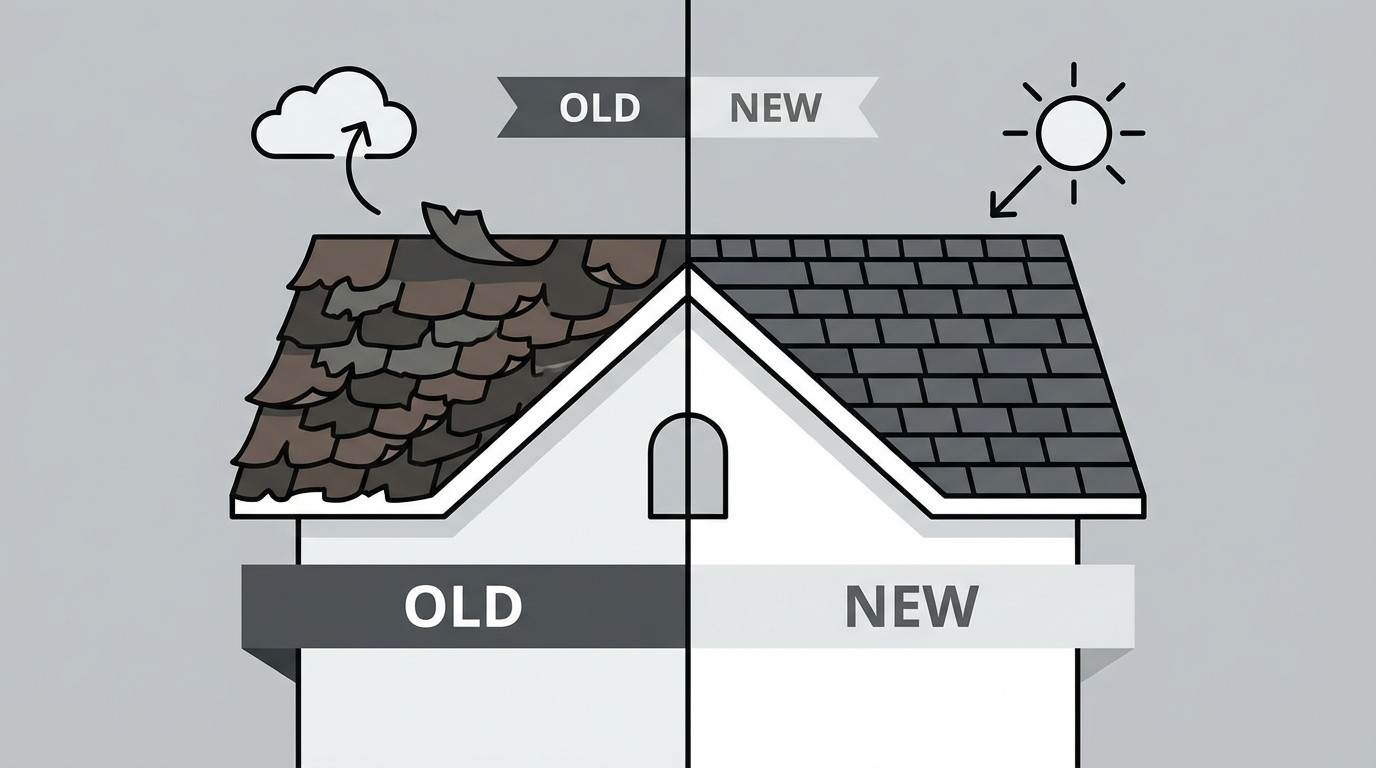
But here's what really gets interesting. When you compare multiple quotes, you start to see differences in how contractors think about your project. One might push for a complete tear-off while another says you can roof over the existing layer. One includes synthetic underlayment as standard, another charges extra for it. You won't catch any of this with just one quote sitting on your kitchen table.
Three Quotes Minimum, Five Quotes Maximum
Three is where comparison actually becomes possible. With two quotes, you've got a coin flip. With three, patterns start to emerge. You can see where the market really sits and whether anyone's way out of line.
Five is usually plenty. By the time you've got five detailed proposals, you know what your roof should cost. You've seen how different contractors break down the work. Adding a sixth or seventh quote rarely tells you anything new, and now you've got a part-time job just managing all the paperwork.
The complexity of your project matters here too. Basic ranch house with a simple gable roof? Three quotes will probably tell you everything you need to know. Victorian with multiple dormers, valleys everywhere, and a couple of skylights? Maybe push toward four or five so you can really see how contractors handle the tricky stuff.
What You're Risking With a Single Quote
Picture this scenario. You need a roof, you call the first company that pops up, they come out and quote you $18,000. Is that good? Bad? Completely insane for your area?
You have absolutely no idea.
That $18,000 might actually be a bargain. Or it might be $4,000 more than anyone else would charge. The contractor might be padding the price because business is good and they don't really care if they get your job or not. Or they might be lowballing because they're desperate and plan to make it up with surprise charges later.
Without other numbers to compare against, you're just guessing. And that's a pretty expensive thing to guess about.
There's also the competition factor. Contractors who know they're your only option behave differently than contractors who know they're competing. That's just human nature. When roofers know you're getting multiple quotes, they bring their A-game on pricing and professionalism.
Actually Comparing Quotes (Not Just Prices)
Getting multiple quotes only helps if you actually know what you're looking at. Plenty of homeowners collect three quotes, pick the cheapest one, and think they did their homework. That's not comparing. That's just sorting by price.
Real comparison means digging into what's actually included.
Scope of work is the big one. Does this price include tearing off old shingles or are they roofing over? Are they replacing the flashing around your chimney or leaving the old stuff? What about damaged wood underneath? Some quotes include decking repairs up to a certain amount, others charge extra for every piece of plywood.
Materials can look similar on paper but differ wildly in quality. "Architectural shingles" could mean a basic 25-year product or a premium 50-year shingle with a serious warranty. Get the exact brand and product line from each contractor so you're comparing the same thing.
Warranties tell you a lot about how much the contractor trusts their own work. A company offering a 10-year workmanship warranty is making a different promise than one offering 2 years. Both might do great work, but one is willing to stand behind it longer.
If you're not familiar with how roofers measure and price jobs, understanding what a roofing square means will help the quotes make a lot more sense.
Getting Quotes Without Losing Your Mind
The old-school way to collect quotes means calling around, scheduling visits, taking time off work to meet contractors, then waiting for proposals to trickle in. It works, but it's a hassle.
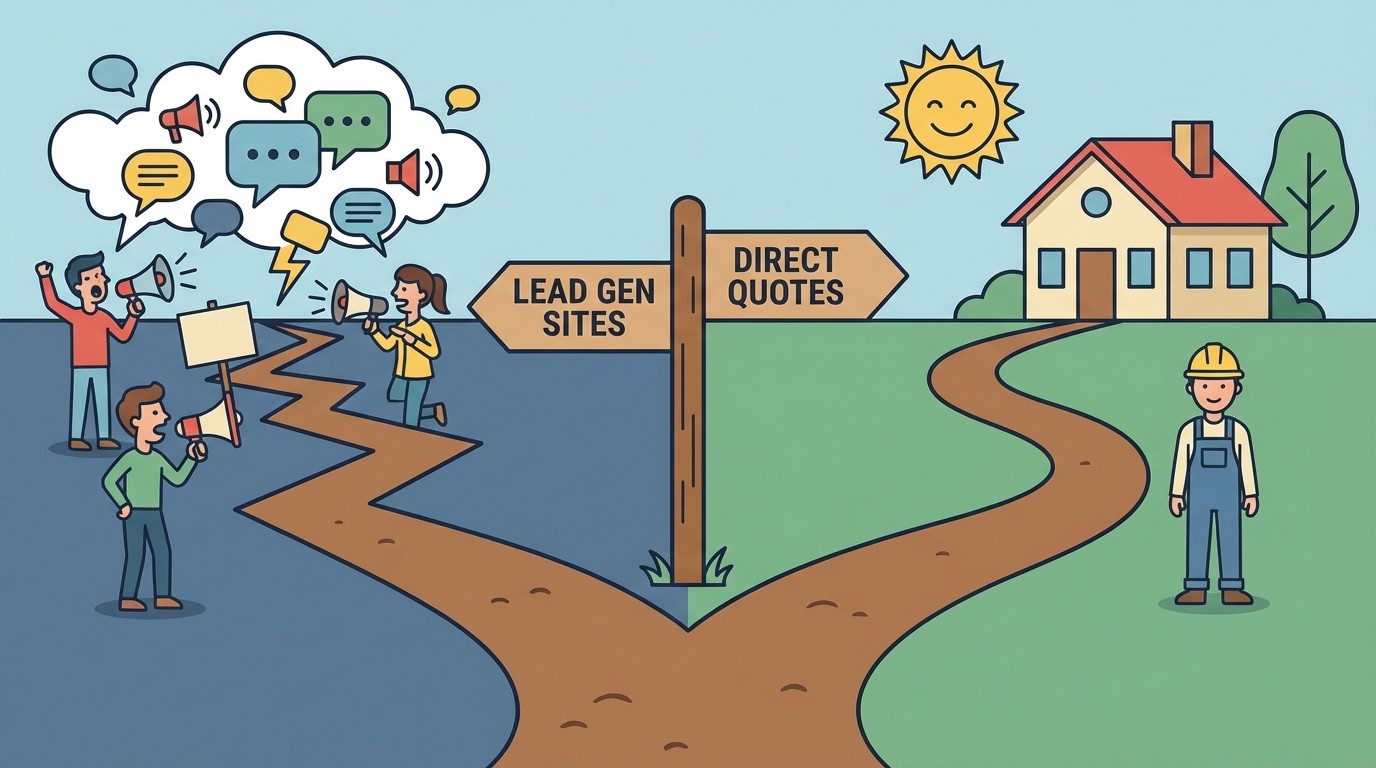
If you're in the Chattanooga area, you can skip a lot of that hassle by requesting quotes from multiple vetted contractors at once rather than hunting them down one by one. Same goes for homeowners in Cleveland, TN and surrounding areas.
Whatever route you take, have your basics ready before you start. Roughly how old is your current roof? Have you noticed any leaks or problems? When do you want the work done? Having answers ready keeps the process moving.
And be realistic about timing. Good roofers stay booked up, especially in spring and summer. If you want quotes from the contractors everyone recommends, you might need to wait a bit.
When the Numbers Don't Make Sense
Sometimes you collect your quotes and something looks weird. Maybe you've got three quotes at $14,000, $15,000, and $28,000. That high one isn't just a little different. It's in another universe.
Or maybe all your quotes are spread so far apart that you can't figure out where the market actually sits.
This is when a fourth or fifth quote actually adds value. Another data point can tell you whether that outlier is seeing something the others missed or whether they're just expensive. Maybe the $28,000 contractor noticed rot that the others glossed over. Or maybe they just charge a lot. You won't know without more information.
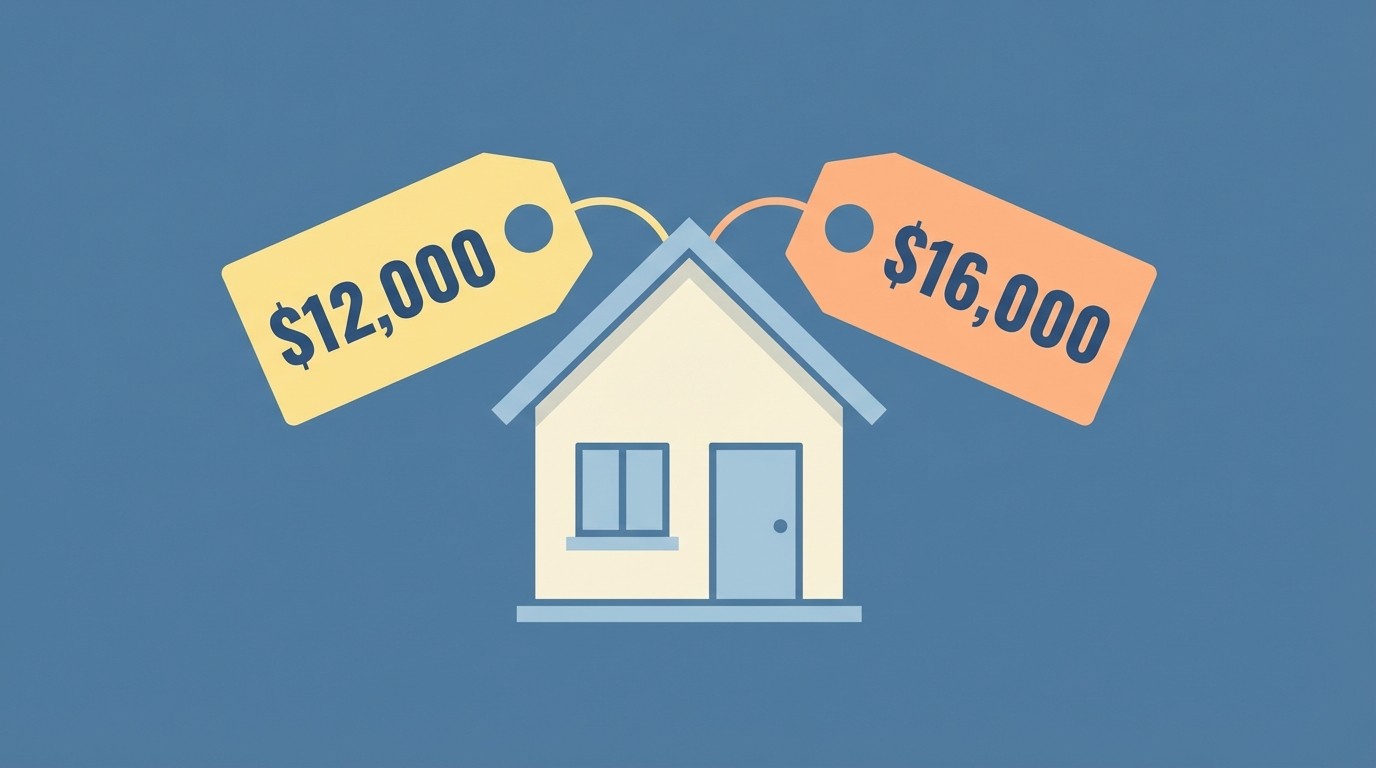
Running your roof through a roofing calculator before you start collecting quotes can help too. The estimate won't match real quotes exactly, but it gives you a ballpark. If the calculator says $12,000-$16,000 and someone quotes you $25,000, you know to ask some questions.
Making the Call
Once you've got your quotes, fight the urge to just pick the cheapest one. Low price might mean great value. It might also mean corners get cut, cheaper materials get used, or that contractor underbid the job and will be looking for ways to make up the difference.
Look at the whole picture. Fair price, quality materials, solid warranty, contractor who actually returns your calls. The proposal that checks all those boxes is usually your best bet, even if it's not the lowest number.
Three to five quotes is enough to find that contractor with confidence. You'll understand what the job should cost, you'll have seen how professionals approach your specific roof, and you'll have enough context to make a smart decision.
That beats guessing every time.