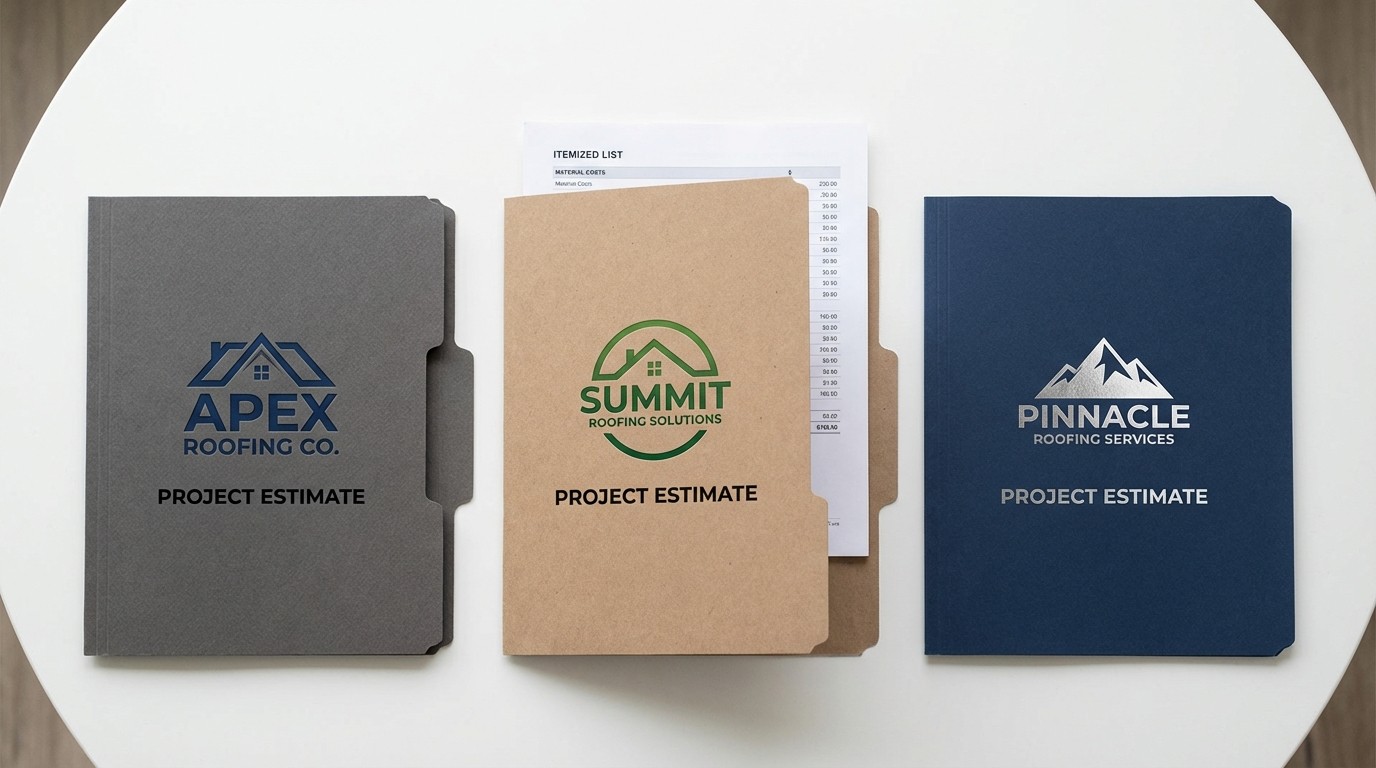
A roof quote is a written estimate from a roofing contractor that breaks down the cost of your project, including materials, labor, and any additional work like permits or old roof removal. Getting roof quotes is the essential first step before any roofing project, whether you're dealing with a small repair or a full replacement. The quote tells you what a contractor plans to do, what they'll charge, and what materials they'll use.
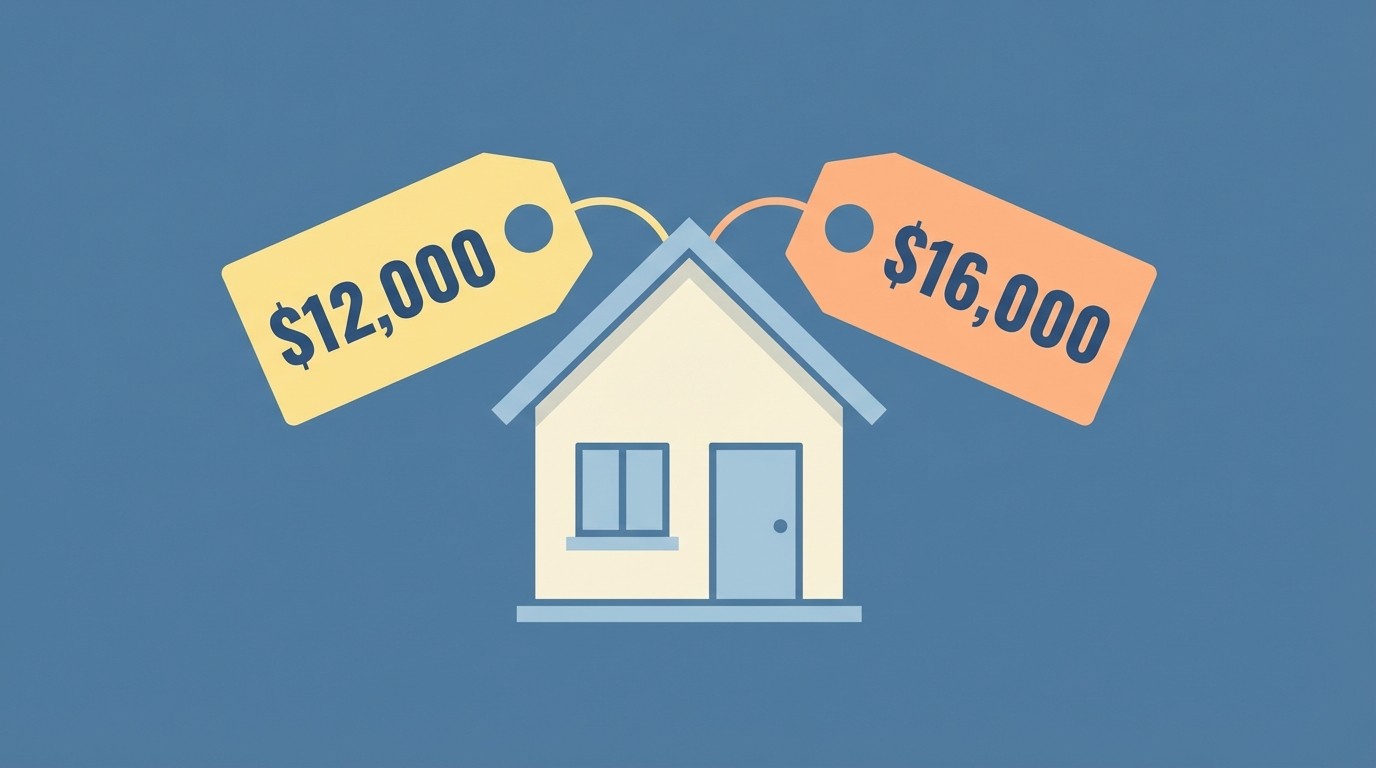
Most homeowners should collect 3 to 5 quotes before making a decision. The variation between contractors can be significant, sometimes several thousand dollars for the exact same scope of work.
What Actually Goes Into a Roof Quote
A proper roof quote isn't just a number scrawled on a business card. It should be a detailed document that tells you exactly what you're paying for. When a quote lacks detail, that's a red flag worth paying attention to.
Here's what you should see on a professional roofing estimate:
Roof measurements listed in squares. One roofing square equals 100 square feet, and this is how the industry prices work. If you're not sure how this works, understanding what a square means in roofing will help the numbers make more sense.
Material specifications including the brand, product line, and color of shingles or other roofing materials. "Architectural shingles" is too vague. You want to see something like "GAF Timberline HDZ, Charcoal" so you know exactly what's being installed.
Labor costs either as a line item or built into the total. Some contractors break this out, others don't. Either way, you should be able to ask how much of the quote is materials versus labor.
Tear-off and disposal fees if old roofing is being removed. This is a meaningful cost, and some contractors bury it in the total while others list it separately.
Additional work like replacing damaged decking, installing new flashing, or upgrading ventilation. These items should be specified, not left as surprises.
Timeline and payment terms so you know when the work happens and when money changes hands.
According to the Asphalt Roofing Manufacturers Association, proper documentation of materials and installation methods is important for warranty coverage. A vague quote can create problems down the road if something goes wrong and you can't prove what was supposed to be installed.
Written Quotes vs. Verbal Estimates
This shouldn't need saying, but here it is anyway: get everything in writing.
A contractor who walks your roof and throws out a number verbally might be perfectly honest. But memories get fuzzy. Details get forgotten. And if there's a dispute later about what was included, you've got nothing to point to.
Written quotes protect both sides. They create a clear record of what was agreed upon. They also force the contractor to actually think through the job rather than ballparking a number off the top of their head.
If a contractor seems reluctant to put their quote in writing, that tells you something. Maybe nothing bad, but it's worth asking why.
How to Request Roof Quotes
The process is pretty straightforward, but a little preparation makes everything smoother.
Before you reach out to contractors, gather some basic information. How old is your current roof, roughly? Have you noticed any problems like leaks, missing shingles, or dark spots on the ceiling? Do you have a timeline in mind, or is this more of a "sometime this year" situation? Are you dealing with an insurance claim?
Having answers ready helps contractors give you accurate estimates rather than wild guesses.
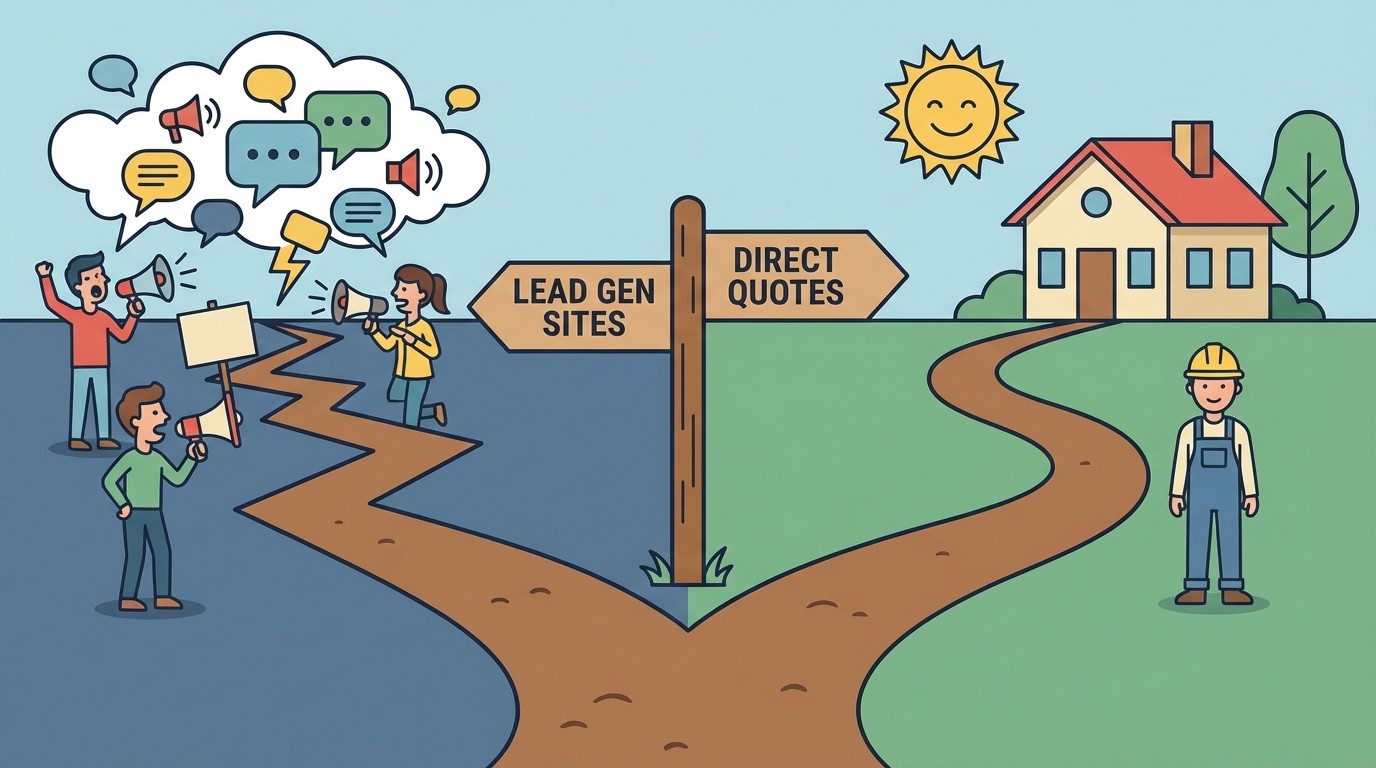
For homeowners in the Chattanooga area, you can request multiple quotes from vetted local contractors through a single submission rather than calling around to a dozen different companies. Similar options exist for Hixson and other nearby communities.
The traditional route works too. Search for local roofing contractors, check their reviews, and call or email to schedule estimates. Just know that this approach takes more time and legwork on your end.
What Happens During a Quote Visit
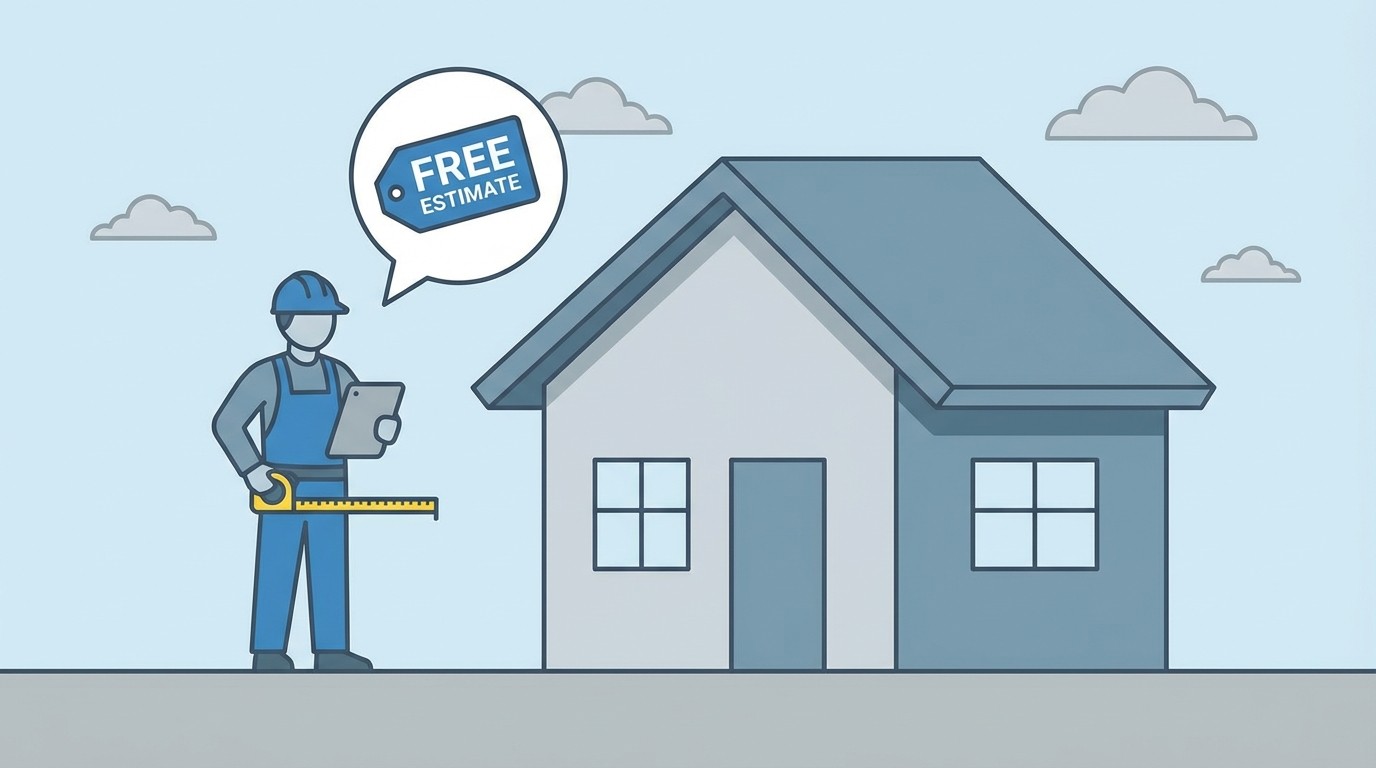
When a contractor comes out to give you a quote, they're going to look at your roof. Sometimes from the ground with binoculars, sometimes by climbing up there, and increasingly by using aerial measurement technology that pulls data from satellite imagery.
They'll assess the size of your roof, its pitch and complexity, the current condition, and any factors that might affect the job like access issues or unusual features. They might poke around in your attic to check ventilation and look for signs of water damage.
A good contractor will also ask you questions. What's prompting this project? Have you had any problems? What kind of materials are you thinking about? Are there any time constraints?
You should be asking questions too. How long have they been in business? Are they licensed and insured? Who actually does the work, their own crews or subcontractors? What happens if there's damage to your property during the job?
Getting a quote is a two-way evaluation. You're checking them out while they're scoping your roof.
Comparing Roof Quotes Effectively
Once you've collected a few quotes, resist the urge to just pick the cheapest one. Price matters, but it's not the only thing that matters.
Start by making sure you're comparing the same scope of work. If one quote includes new flashing around your chimney and another doesn't, you're not looking at apples to apples. If one contractor recommends replacing your roof and another says repairs are fine, those aren't really comparable either.
Look at the materials being specified. A quote using builder-grade shingles should cost less than one using premium products with better warranties. Make sure the price difference actually reflects a difference in what you're getting.
Check the warranty terms. Material warranties come from manufacturers and are often similar across contractors. But workmanship warranties come from the contractor themselves, and these vary widely. A company standing behind their work for 10 years is making a different promise than one offering 2 years.
Using a roofing calculator before you start collecting quotes gives you a baseline to compare against. It won't match actual quotes exactly, but it helps you spot numbers that seem way out of line.
Common Mistakes When Getting Roof Quotes
Choosing based on price alone. The cheapest quote isn't automatically the best value. That low number might mean cheaper materials, less experienced crews, or a contractor who underbid and will look for ways to make it up during the job.
Not reading the details. A quote is only useful if you actually understand what it says. If something's unclear, ask. If a contractor can't explain their own quote, that's concerning.
Waiting too long to decide. Material prices change. Contractor schedules fill up. A quote from three months ago might not be valid anymore, and the contractor who was available in April might be booked solid by June.
Skipping the verification step. Before you sign anything, verify that the contractor is licensed, insured, and has a reasonable track record. A great price means nothing if the company disappears halfway through your project.
Falling for high-pressure tactics. Be wary of contractors who push for immediate decisions or claim their price is only good today. Professional roofers give you time to think. If someone's rushing you, ask yourself why. We've got a whole piece on door-to-door roofing sales tactics that's worth reading.
After You Get Your Quotes
You've got your quotes spread out on the kitchen table. Now what?
Take your time. Unless your roof is actively leaking, you don't need to decide today. Sleep on it. Read through the details again when you're fresh.
If you have questions, reach out to the contractors. Their responsiveness tells you something about what they'll be like to work with if problems come up during the job.
Once you've made your choice, get a written contract before any work begins. This should reflect everything discussed in the quote plus details like start date, estimated completion, and payment schedule.
Getting roof quotes might feel like a lot of work up front, but it's nothing compared to the headache of choosing the wrong contractor or paying too much for a job that should have cost less.