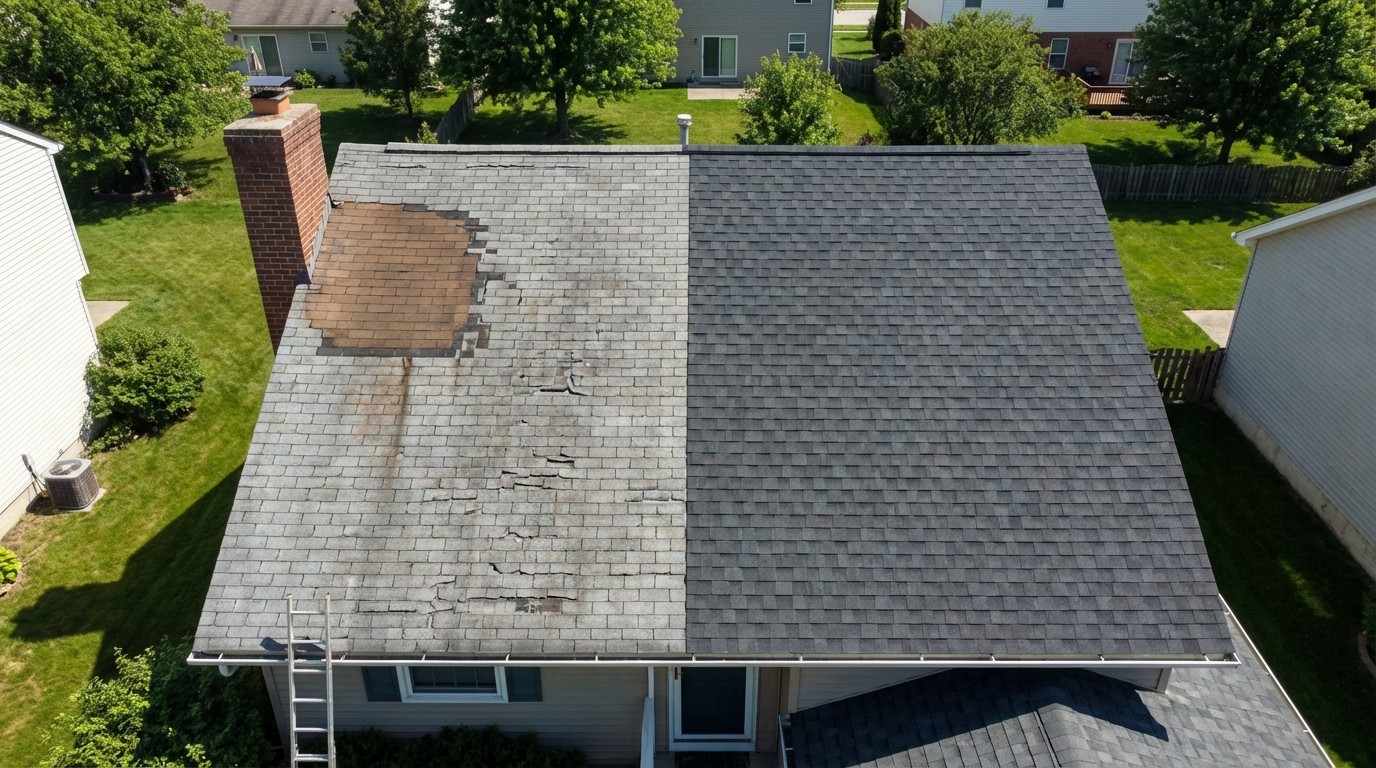
Repair your roof if the damage is localized, your roof is less than 15 years old, and fixing the problem costs less than 30% of what a full replacement would run. Replace your roof if you're dealing with widespread damage, the roof is approaching the end of its expected lifespan, or you're facing repeated repairs that keep adding up.
That's the short version. The longer version involves understanding your specific situation, because this decision isn't always obvious. Get it wrong in one direction and you waste money on a new roof you didn't need yet. Get it wrong in the other direction and you keep dumping money into repairs on a roof that's basically done.
When Roof Repair Makes Sense
Not every roof problem calls for a full replacement. Sometimes a targeted repair is the smarter move, both financially and practically.
Repair usually makes sense when:
The damage is isolated. A few missing shingles from a windstorm, a small leak around a pipe boot, or some flashing that's pulled away from a chimney. These are fixable problems that don't indicate broader failure. Paying $300 to $800 for a repair beats a $15,000 replacement when the rest of the roof is solid.
Your roof is relatively young. If your asphalt shingle roof is only 8 or 10 years into a 25-year lifespan, repair makes sense for most issues. You've still got a lot of useful life left in those materials.
You're planning to sell soon. If you're moving in a year or two, a repair that addresses visible problems might be enough to satisfy buyers and home inspectors. A new roof adds value, but you may not recoup the full cost at sale.
Budget constraints are real. Sometimes you know the roof needs replacing eventually, but the money isn't there right now. A well-done repair can buy you time to save up for the inevitable replacement.
When Replacement Is the Better Choice
Other situations point clearly toward replacement, even when repair seems like the cheaper short-term option.
Your roof is old. Most asphalt shingle roofs last 20 to 30 years depending on materials and conditions. If yours is pushing 20 and showing problems, you're probably better off replacing than repairing. According to the National Association of Home Builders, asphalt shingles have an average lifespan of about 20 years, with architectural shingles lasting longer than basic three-tab products.
The damage is widespread. Multiple leaks, large sections of damaged shingles, or problems showing up in different areas of the roof suggest systemic failure rather than isolated issues. Fixing one spot just means another spot fails next month.
You've already done multiple repairs. That repair from two years ago, plus the one last year, plus the new problem you're dealing with now. At some point, the math tips toward replacement. Add up what you've spent on repairs and compare it to replacement cost.
There's structural damage underneath. If the decking is rotted, if there's mold in the attic, if rafters are compromised, patching shingles won't solve your actual problem. You need to get under there and address the real damage.
Your roof is affecting energy bills or comfort. Old roofs with failing insulation and poor ventilation can drive up heating and cooling costs. A new roof with proper ventilation and modern materials might pay for itself over time.
The 30% Rule
Here's a rough guideline many roofing professionals use: if the repair costs more than 30% of what a full replacement would cost, you're probably better off replacing.
Let's say a full replacement would run $12,000. If the repair quote comes in at $2,000, that's about 17%. Repair makes sense. If the repair quote is $4,500, that's nearly 40%. You're getting close to halfway to a new roof, but you'll still have an old roof when the repair is done. Replacement starts looking smarter.
This isn't a hard rule. Context matters. But it's a useful benchmark when you're trying to think through the decision.
Running your numbers through a roofing calculator can help you estimate replacement costs so you have a realistic comparison point.
Age and Condition Together
Age alone doesn't tell the whole story. A 15-year-old roof that's been well maintained and hasn't faced major storms might have another decade left. A 10-year-old roof that's taken hail damage and was poorly installed might be ready for replacement.
When evaluating condition, look for these warning signs:
Curling or buckling shingles. This indicates the shingles are past their prime and losing their ability to protect your home.
Significant granule loss. Check your gutters. If they're full of granules, your shingles are shedding their protective coating.
Daylight visible through the roof deck. If you can see light coming through boards in your attic, you've got gaps that water will find.
Sagging sections. This suggests structural problems that go beyond the shingles themselves.
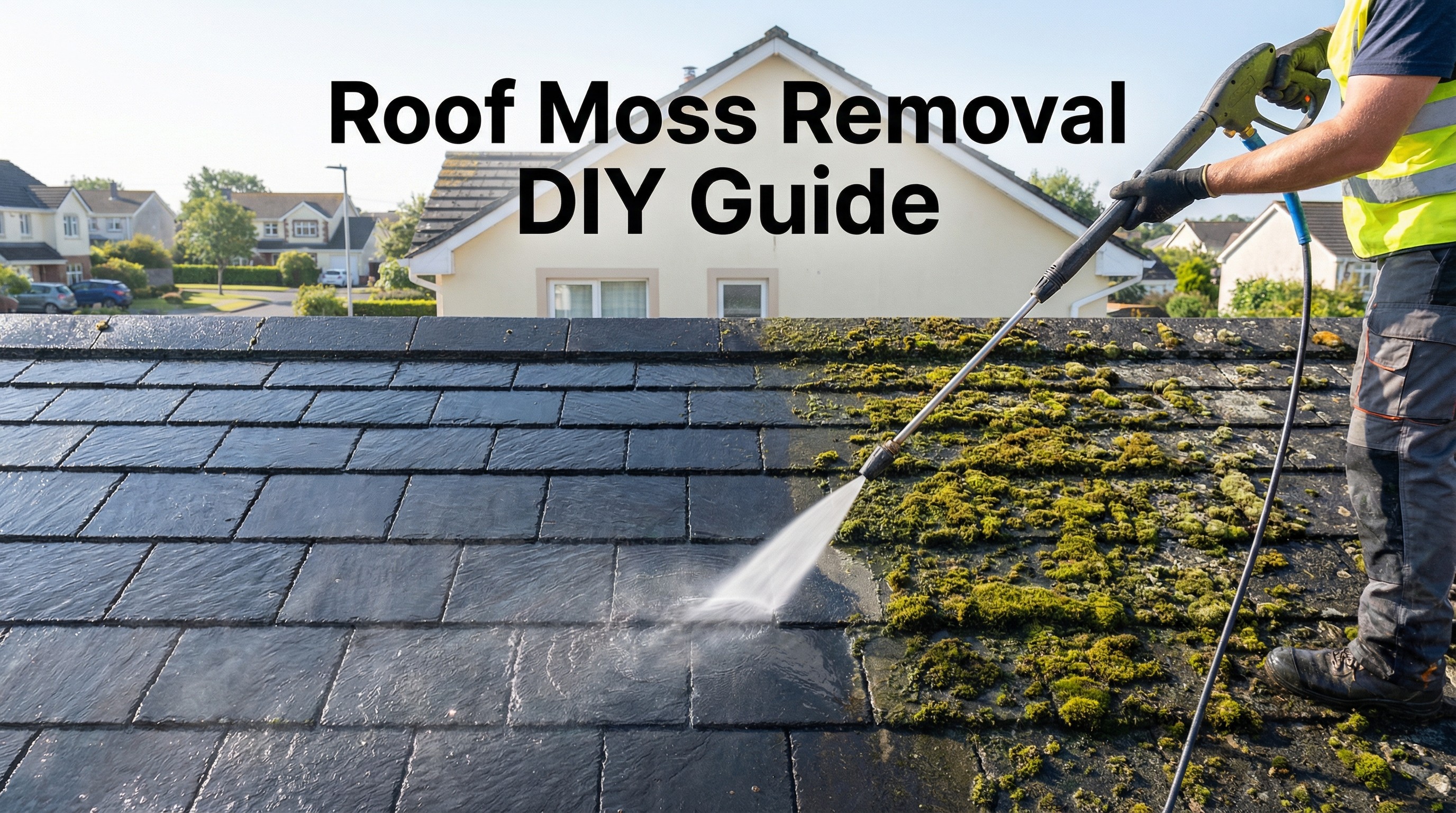
Moss or algae growth. Some is cosmetic. A lot can indicate moisture retention that's damaging your roof.
Getting a Professional Opinion
Unless you're comfortable climbing around on your roof and know what you're looking at, getting a professional assessment makes sense. A qualified roofing contractor can evaluate both visible and hidden damage, estimate remaining roof life, and give you honest recommendations.
The key word there is "honest." Some contractors will push replacement because it's a bigger job with more profit. Others might lowball repairs to get in the door and then find more problems once they start working.
Getting multiple roof quotes helps here. If three contractors all say you need a replacement, you probably do. If two say repair and one pushes replacement, ask the replacement advocate to explain what the others are missing.
For homeowners in the Chattanooga area, local contractors familiar with regional weather patterns and common roofing issues can provide more relevant assessments than generic national advice. You can request quotes from vetted local roofers to get professional opinions specific to your situation.
Questions to Ask Yourself
Before deciding, work through these questions:
How old is your roof, and what's the expected lifespan of your materials?
How much have you already spent on repairs in the last five years?
Is this an isolated problem or part of a pattern?
What does your budget realistically allow?
How long do you plan to stay in this home?
Are there other issues like poor ventilation or inadequate insulation that replacement would address?
Your answers will point you toward the right decision for your specific situation.
The Cost of Getting It Wrong
Choosing repair when you should replace means throwing money at a failing roof. Those repair dollars don't come back when you eventually replace anyway. You're just delaying the inevitable while continuing to risk water damage, mold growth, and energy inefficiency.
Choosing replacement when repair would suffice means spending $10,000 or more that could have stayed in your pocket. That's real money with real opportunity cost.
Neither mistake is catastrophic, but getting this decision right saves you money and headaches. Take the time to evaluate your situation honestly, get professional input, and make the choice that fits your roof's actual condition and your real circumstances.