A single leak can cost $5,000 or more in water damage. Roof waterproofing costs a fraction of that. According to the National Roofing Contractors Association, proper waterproofing can extend your roof's life by 5 to 10 years.
Homeowners face confusing waterproofing options, unclear pricing, and uncertainty about whether waterproofing is the right choice versus repair or full replacement. You're not alone if you've struggled to understand what roof waterproofing actually involves or whether it makes sense for your home.
This guide covers exactly what you need to know:
Exact waterproofing costs by material type
How to choose the right waterproofing method for your roof
When waterproofing makes sense (and when it doesn't)
How to compare quotes and avoid overpaying
Let's break it down.
What Is Roof Waterproofing?
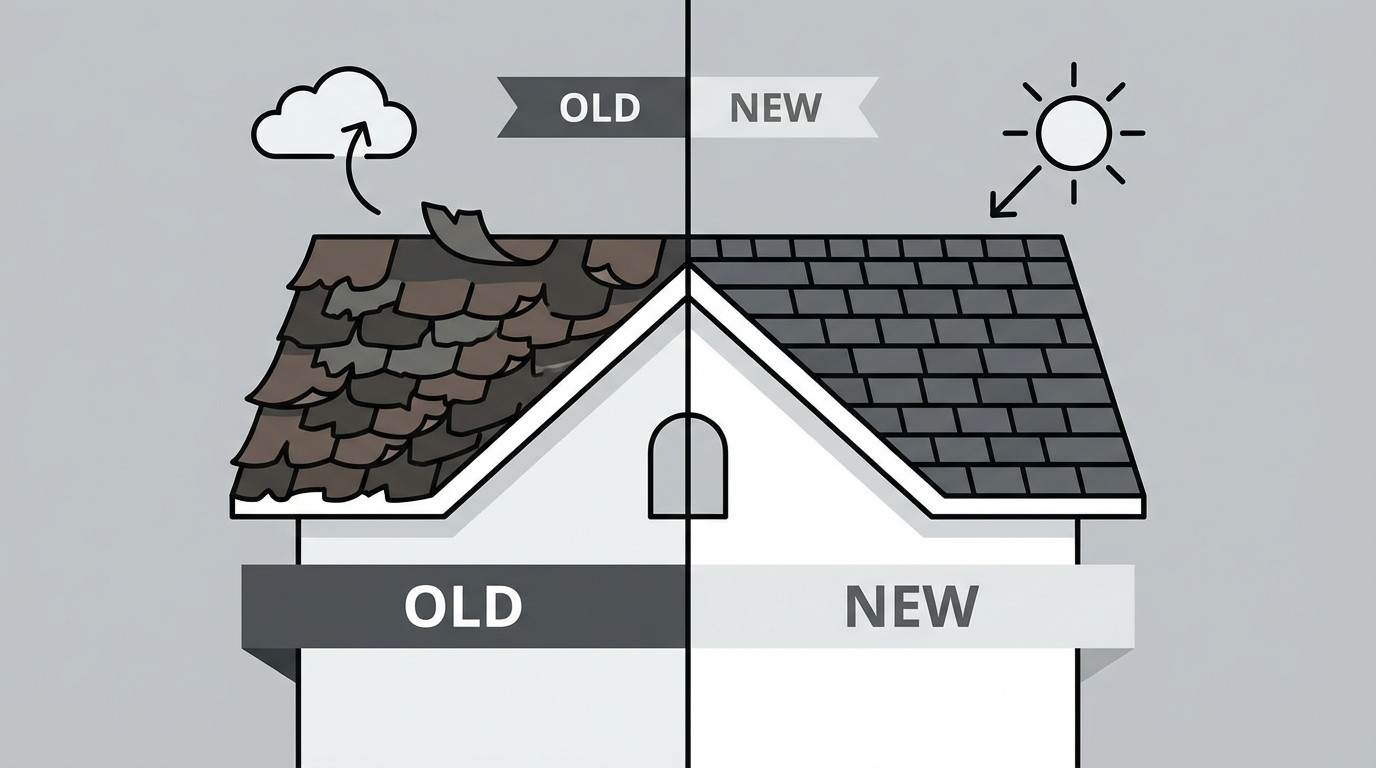
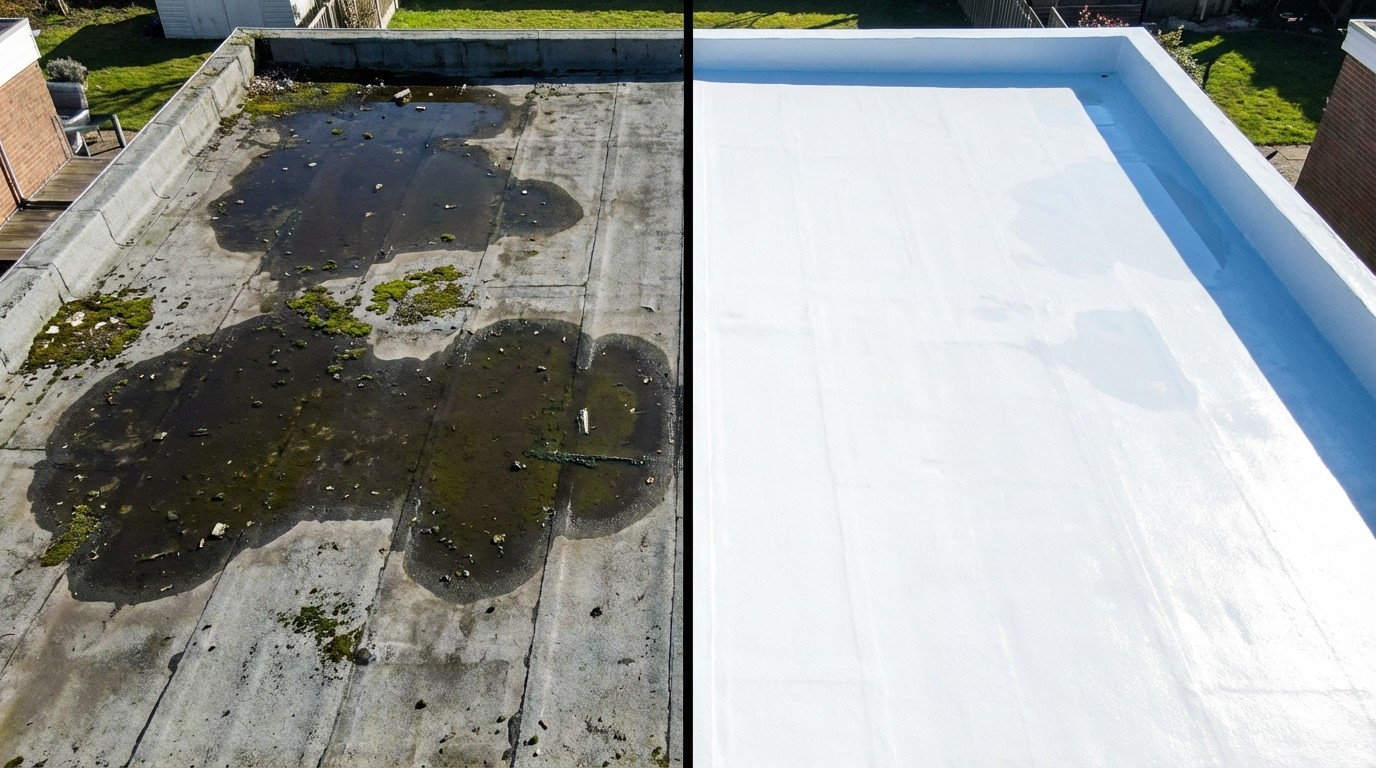
Roof waterproofing is the process of applying a protective coating or membrane to your existing roof to prevent water penetration and extend the roof's lifespan.
Think of it as adding a shield on top of your current roof. This shield stops water from seeping through vulnerable spots like seams, flashing, and aging shingles. The result is a watertight barrier that protects your home from leaks and weather damage for years to come.
Waterproofing vs Coating vs Sealing
These terms get used interchangeably, but there are differences worth understanding.
Waterproofing refers to the broader goal of preventing water from penetrating your roof system. It can include coatings, membranes, or other barrier systems.
Coating is one specific method of waterproofing. It's a liquid-applied layer that forms a seamless, protective membrane once it cures. Acrylic, silicone, and polyurethane are common coating types.
Sealing typically refers to spot treatments around specific areas like flashing, vents, or chimneys. It's more localized than full-roof waterproofing.
For most homeowners, "waterproofing" and "coating" mean the same thing: applying a protective layer to the entire roof surface.
How Roof Waterproofing Works
Waterproofing creates a moisture barrier that prevents water from reaching your roof deck. Here's how:
Liquid coatings are applied with a spray, roller, or brush. Once they cure, they form a seamless, flexible membrane that moves with your roof as it expands and contracts with temperature changes.
Membrane systems like EPDM rubber or modified bitumen are installed as sheets or rolls. They're mechanically fastened or adhered to the roof surface, creating a durable, long-lasting waterproof barrier.
Protection duration varies by material. Acrylic coatings last 7 to 10 years, while EPDM rubber membranes can protect your roof for 20 to 30 years or more. The key is choosing the right material for your roof type, climate, and budget.
Roof Waterproofing Cost Breakdown
Understanding costs helps you budget and compare quotes confidently.
Average Costs (2026)
National Average: According to HomeGuide, the national average is $1,456 (range: $500 to $2,500 for an average home)
Per Square Foot: $1 to $4 (varies by material)
Chattanooga Area: $1,200 to $2,200 for a typical project
These costs include materials and labor for a standard residential roof. Your actual price depends on roof size, material choice, and the condition of your existing roof.
Cost by Material Type
Different materials offer different balances of cost, lifespan, and performance.
Material | Cost per Sq. Ft. | Best For | Lifespan |
|---|---|---|---|
Acrylic | $0.65 to $1.75 | Budget-friendly, reflective | 7 to 10 years |
Silicone | $1.50 to $2.50 | Flat roofs, ponding resistance | 10 to 15 years |
Polyurethane | $1.50 to $4.00 | High-traffic, durable | 10 to 20 years |
Polyurea | $2.00 to $5.00 | Fast application, commercial | 15 to 20 years |
EPDM Rubber | $3.00 to $11.00 | Long-lasting, extreme weather | 20 to 30 years |
Liquid Rubber | $1.75 to $3.50 | DIY-friendly, seamless | 8 to 12 years |
For Chattanooga's humid climate with frequent rainfall, silicone and EPDM perform best due to superior moisture resistance and longevity.
Additional Cost Factors
Several factors beyond material choice affect the final price.
Roof Size: Larger roofs benefit from economies of scale. You'll pay less per square foot on a 2,500 sq. ft. roof than on a 1,000 sq. ft. roof.
Roof Pitch/Slope: Steep roofs cost 20% to 30% more because they require safety equipment and take longer to navigate.
Roof Condition: If your roof needs repairs before waterproofing (damaged shingles, rotten decking, deteriorated flashing), expect to add $500 to $1,500 to the total cost.
Prep Work: Cleaning debris, removing algae, and power washing typically run $200 to $500.
Labor: Professional installation labor costs $50 to $80 per hour and typically accounts for 30% to 40% of the total project cost.
Permits: Some areas require permits for roofing work, adding $100 to $500.
Inspection: A post-application inspection to verify proper coverage and waterproofing runs $125 to $370.
Cost Comparison: Waterproofing vs Replacement
Here's the real financial picture.
Example (2,000 sq. ft. roof):
Waterproofing: $2,000 to $4,000
Full Replacement: $8,000 to $15,000
Savings: 50% to 70% with waterproofing
If your roof has structural integrity but is showing signs of aging, waterproofing is a smart way to extend its life without the expense of a full roof replacement.
Types of Roof Waterproofing Materials
Each material has specific strengths and trade-offs. Understanding your options helps when choosing the right roofing material for your home. Let's look at what each offers.
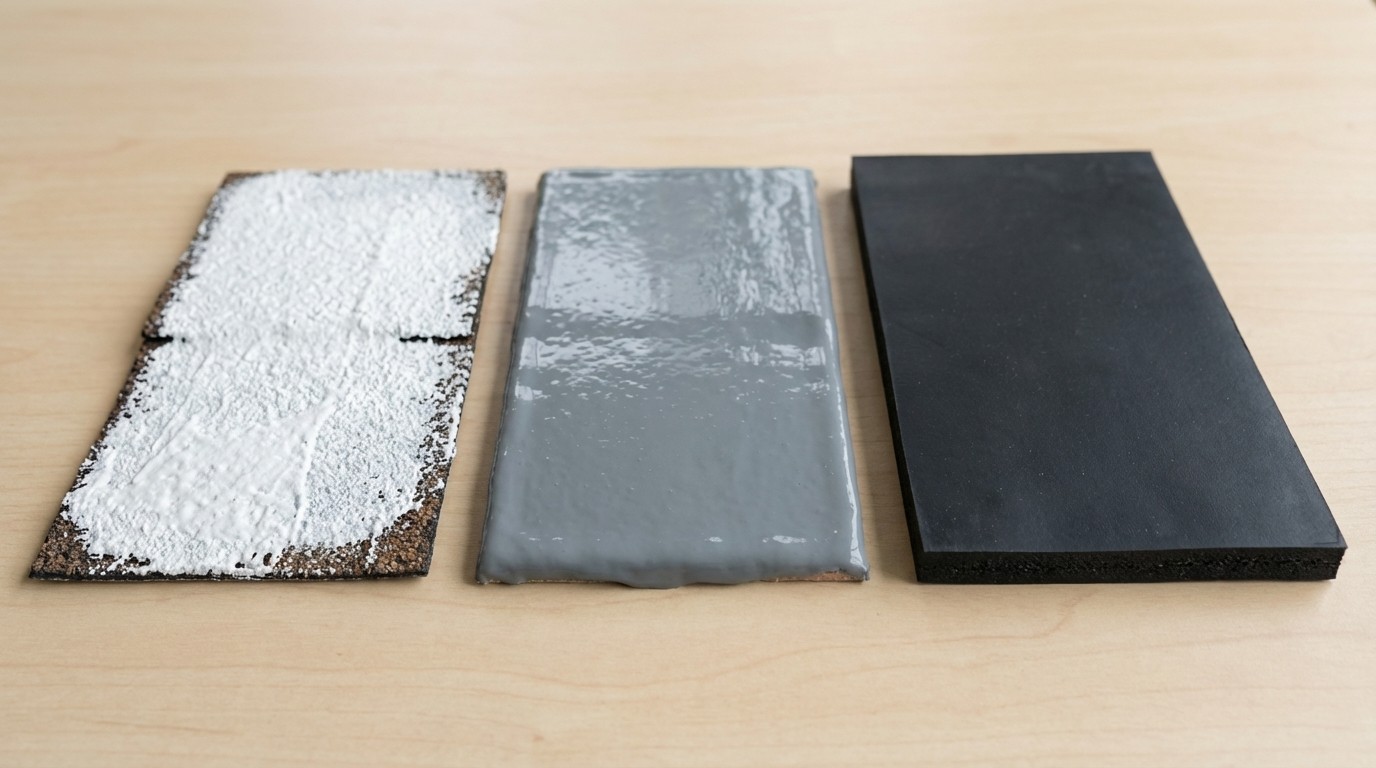
1. Acrylic Coatings
What It Is: Water-based reflective coating that's affordable and easy to apply.
Best For: Asphalt shingle roofs and budget-conscious homeowners who want UV protection and energy savings.
Pros:
UV reflective properties reduce cooling costs
Easy application, suitable for DIY projects
Lower upfront cost than premium options
Cons:
Shorter lifespan (7 to 10 years)
Needs reapplication more frequently
Not ideal for flat roofs with standing water
Cost: $0.65 to $1.75 per sq. ft.
2. Silicone Coatings
What It Is: Premium waterproofing material excellent for handling standing water.
Best For: Flat or low-slope roofs in areas with heavy rain like Chattanooga.
Pros:
Superior ponding water resistance
Long-lasting protection (10 to 15 years)
Excellent waterproofing performance
Cons:
Higher cost than acrylic
Attracts dirt and debris over time
Requires professional application for best results
Cost: $1.50 to $2.50 per sq. ft.
3. Polyurethane/Polyurea Coatings
What It Is: Durable spray-applied coating that cures quickly.
Best For: High-traffic roofs and commercial applications where durability is critical.
Pros:
Impact-resistant and extremely durable
Long lifespan (10 to 20 years)
Fast installation (cures in hours)
Cons:
Requires professional spray equipment
Higher cost than acrylic or silicone
Not ideal for DIY projects
Cost: $1.50 to $5.00 per sq. ft.
4. EPDM Rubber Membranes
What It Is: Synthetic rubber sheet material that's extremely durable.
Best For: Homeowners seeking the longest possible lifespan and maximum weather resistance.
Pros:
20 to 30 year lifespan (best longevity)
Highly weather-resistant and flexible
Proven performance in extreme climates
Cons:
Most expensive option upfront
Requires skilled professional installation
Not suitable for DIY application
Cost: $3.00 to $11.00 per sq. ft.
5. Modified Bitumen
What It Is: Asphalt-based membrane with polymer modifiers for added strength.
Best For: Flat roofs and budget-conscious homeowners wanting long-term performance.
Pros:
Proven durability in all weather conditions
Good for extreme temperature ranges
Mid-range pricing
Cons:
Requires torch-down application (fire risk)
Professional installation necessary
Heavier than single-ply membranes
Cost: $1.25 to $2.50 per sq. ft.
6. Liquid Rubber
What It Is: Seamless liquid-applied rubber coating.
Best For: DIY-friendly projects and small repairs on simple roofs.
Pros:
No seams (eliminates weak points)
Easy brush or roller application
Good adhesion to various surfaces
Cons:
Shorter lifespan than premium options
Multiple coats required for durability
Not as durable as EPDM or silicone
Cost: $1.75 to $3.50 per sq. ft.
When Is Roof Waterproofing Worth It?
Waterproofing isn't the right choice for every roof. Here's when it makes sense and when it doesn't.
Waterproofing Makes Sense When:
✅ Your roof is 10 to 15 years old but still structurally sound. Waterproofing can add years to a middle-aged roof without the expense of replacement.
✅ Minor leaks or wear but no major structural damage. Small problems are perfect candidates for waterproofing.
✅ Preventative protection for a newer roof (5 to 7 years old). Adding waterproofing early can extend a new roof's life significantly.
✅ Budget constraints make full replacement unaffordable right now. Waterproofing buys you time and protects your home until you can afford replacement.
✅ Extending lifespan before a planned home sale in 5 to 10 years. It's a cost-effective way to delay major repairs.
✅ Flat or low-slope roof prone to ponding water. Waterproofing is especially valuable for roofs where water doesn't drain quickly.
Waterproofing Is NOT Recommended When:
❌ Roof is 20+ years old and nearing the end of its expected lifespan. At this age, replacement usually makes more financial sense.
❌ Structural damage like sagging, rotten decking, or major leaks. Waterproofing won't fix these underlying problems.
❌ Multiple layers of existing shingles already present. Building codes typically limit roof layers, and waterproofing over multiple layers isn't advisable.
❌ Planning to sell within 1 to 2 years. A new roof adds more resale value than waterproofing an old one.
❌ Severe storm damage requiring an insurance claim. Insurance often covers full replacement for major damage.
Decision Framework
If your roof has 5 to 10 years of usable life left, waterproofing can extend it to 15 to 20 years total. That makes it a smart financial choice. If your roof is already failing, waterproofing is just delaying the inevitable replacement.
ROI Calculation Example
Let's look at real numbers.
Roof has 5 years left without waterproofing
Waterproofing adds 8 years = 13 years total
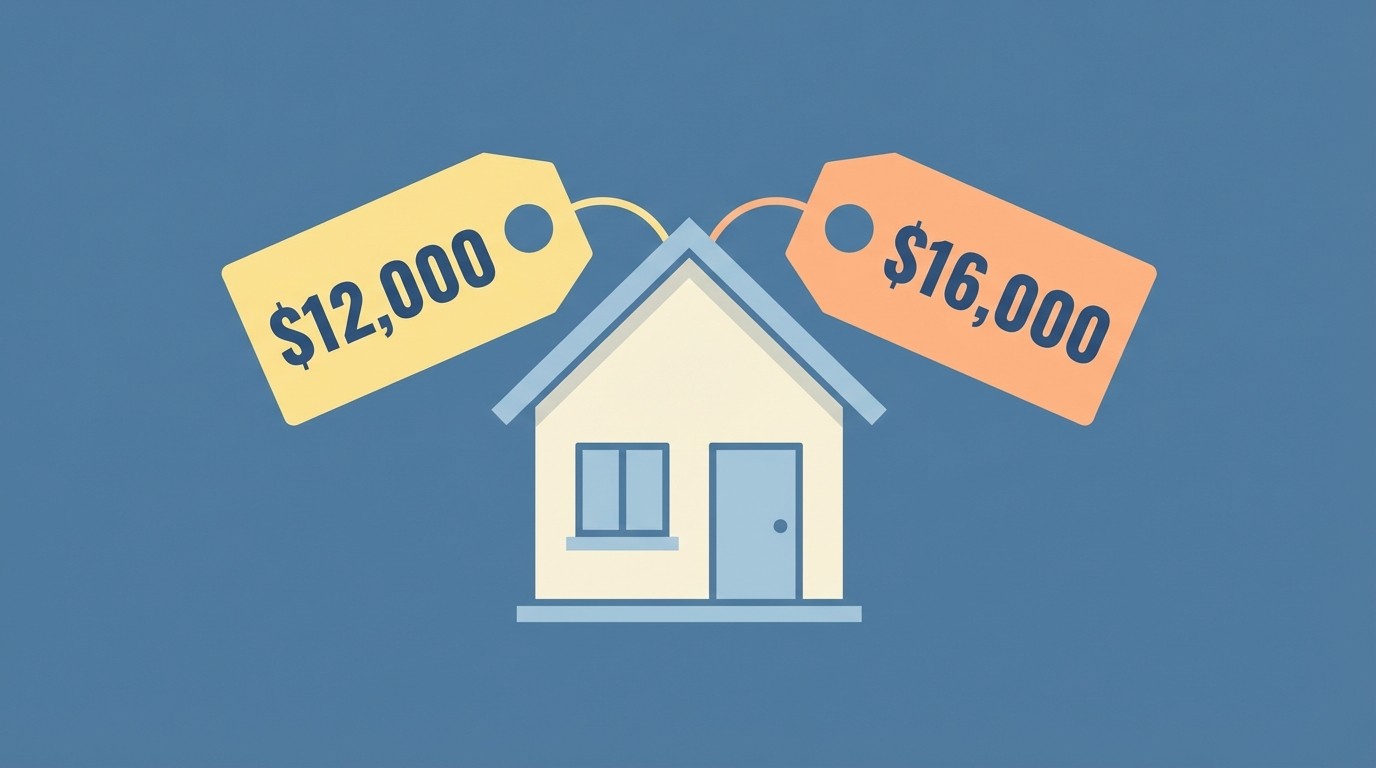
Cost: $2,500 for waterproofing vs $12,000 for replacement
Savings: $9,500 over 8 additional years
That's a strong return on investment.
The Roof Waterproofing Process
Understanding the process helps you know what to expect and evaluate contractors.
Step 1: Inspection and Assessment
A professional evaluates your roof's condition to determine if waterproofing is viable. They'll identify necessary repairs, assess the roof's structural integrity, and recommend the best material for your roof type and climate.
Step 2: Repairs and Preparation
Before waterproofing, all damage must be fixed. This includes:
Replacing damaged shingles
Repairing or replacing deteriorated flashing
Fixing rotten decking or structural issues
Cleaning the roof surface (removing debris, dirt, algae)
Filling cracks and sealing gaps
Clearing gutters and ensuring proper drainage
Prep work is critical. Waterproofing over damaged or dirty surfaces leads to poor adhesion and premature failure.
Step 3: Primer Application (if needed)
Some waterproofing materials require a primer layer to ensure proper adhesion to the roof surface. The primer creates a chemical bond between your existing roof and the waterproofing material.
Drying time: 2 to 4 hours
Step 4: Waterproofing Application
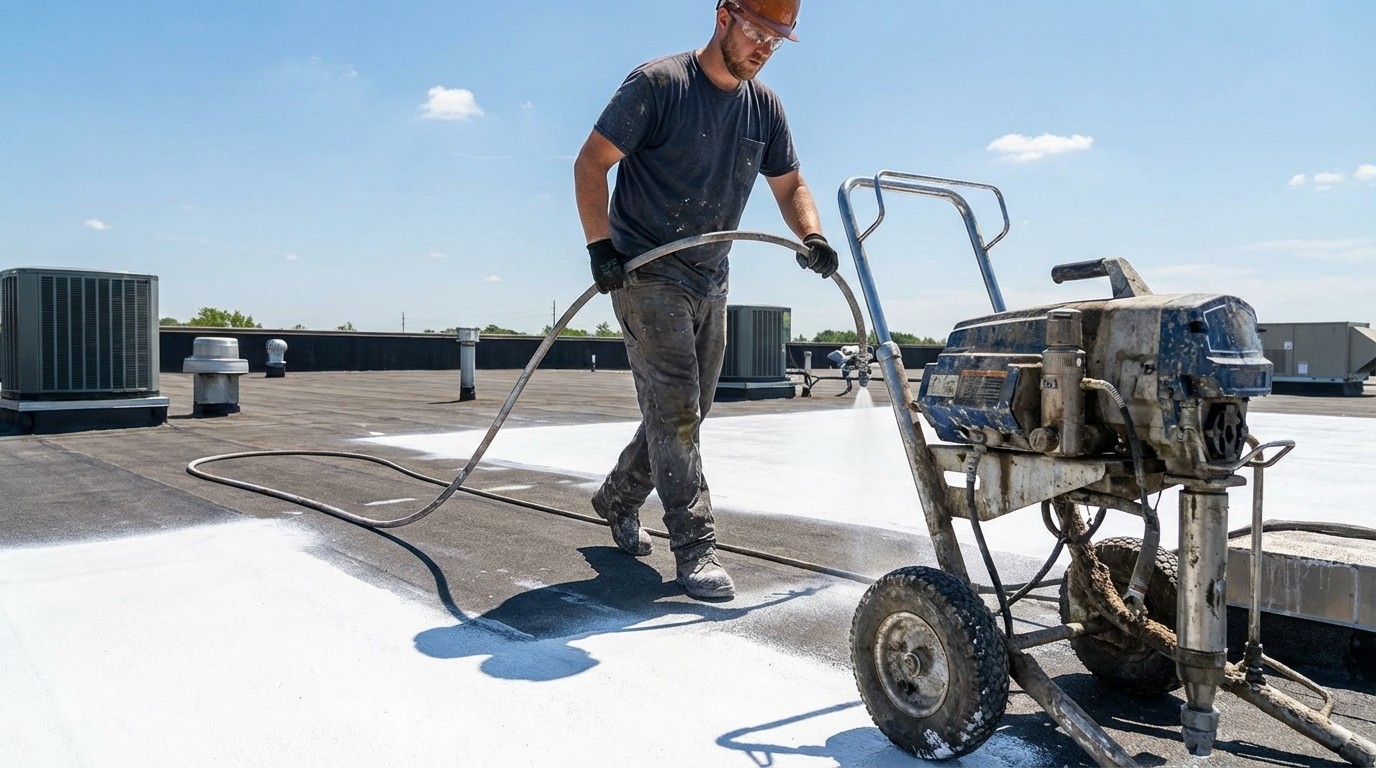
The waterproofing material is applied via spray equipment, roller, or brush depending on the product. Professional contractors typically apply 2 to 3 coats for full coverage and durability.
Special attention goes to vulnerable areas like seams, flashing, roof penetrations (vents, chimneys, skylights), and edges.
Drying time between coats: 4 to 24 hours (weather dependent)
Step 5: Inspection and Sealing
After the final coat cures, the contractor performs a thorough inspection to ensure complete coverage. They'll seal all roof penetrations and may conduct a water test to verify no leaks.
Step 6: Cleanup and Final Inspection
The crew removes all equipment and debris, inspects the finished surface for quality, and provides documentation of the warranty and maintenance requirements.
Timeline: 1 to 3 days for an average residential roof (weather dependent)
DIY Roof Waterproofing vs Hiring a Professional
Should you tackle waterproofing yourself or hire a pro? Here's the honest breakdown.
DIY Waterproofing
Pros:
Save 30% to 50% on labor costs ($500 to $1,500 savings)
Work on your own schedule
Suitable for small repairs or simple flat roofs
Learning experience for future maintenance
Cons:
Safety risks (falls are the leading cause of roofing injuries)
Lack of expertise may result in improper application
No warranty on labor (material warranty only)
May void manufacturer warranties
Takes 3 to 5 times longer than a professional crew
Risk of costly mistakes that require redoing the entire project
When DIY Makes Sense:
Small flat garage or shed roof (under 500 sq. ft.)
Single-story accessible roof with minimal pitch
You have roofing or construction experience
Using liquid rubber or acrylic coating (easier application)
Professional Installation
Pros:
Expert application ensures proper coverage
Safety equipment and training minimize risk
Warranty on both materials and labor
Faster completion (1 to 2 days vs 5 to 7 days DIY)
Proper surface preparation and repairs included
Access to commercial-grade materials not available to consumers
Cons:
Higher upfront cost (labor adds 30% to 40% to the project)
Schedule dependent on contractor availability
When Professional Is Necessary:
Steep-pitched roof (over 6/12 pitch)
Two-story or higher home
Large roof area (over 1,500 sq. ft.)
Commercial-grade materials (polyurea, EPDM)
Complex roof with multiple penetrations
Unless you have roofing experience and a simple, accessible roof, professional installation is worth the cost. Improper waterproofing application can lead to leaks, voided warranties, and the need to redo the entire project.
How to Choose the Right Waterproofing Material
Three key factors determine the best material for your roof.
Consider Your Roof Type
Flat or Low-Slope Roofs:
Best: Silicone, EPDM, modified bitumen
Avoid: Acrylic (doesn't handle ponding water well)
Pitched/Sloped Roofs:
Best: Acrylic, polyurethane, liquid rubber
Good drainage prevents ponding issues
Metal Roofs:
Best: Acrylic or silicone (won't trap moisture)
Ensure coating is specifically rated for metal roof compatibility
Asphalt Shingle Roofs:
Best: Acrylic or liquid rubber
Extends shingle lifespan by 5 to 10 years
Consider Your Climate
Hot, Sunny Climates:
Prioritize UV-reflective coatings (acrylic, white silicone)
Reduces cooling costs by reflecting heat away from your home
Heavy Rainfall Areas (like Chattanooga):
Prioritize waterproofing performance (silicone, EPDM)
Ensure ponding water resistance for flat or low-slope sections
Freeze-Thaw Cycles:
Choose flexible materials (EPDM, polyurethane)
Prevents cracking from repeated temperature changes
Consider Your Budget
Budget Option ($0.65 to $1.75/sq. ft.):
Acrylic coating
Good for 7 to 10 years, then needs recoating
Mid-Range ($1.50 to $2.50/sq. ft.):
Silicone or liquid rubber
10 to 15 year lifespan with good performance
Premium Long-Term ($3 to $11/sq. ft.):
EPDM rubber membrane
20 to 30 year lifespan, best ROI over time
How to Compare Waterproofing Quotes
This is where most homeowners save the most money.
Get Multiple Quotes
Waterproofing quotes can vary by 30% to 50% for the exact same project. Getting 3 to 5 quotes ensures you understand the true market rate and aren't overpaying.
What to Request:
Line-item breakdown (not just a single total number)
Material brand and specific type
Warranty details (both material and labor)
Realistic timeline estimate
All prep work included in the quote
What a Complete Waterproofing Estimate Should Include
A detailed, professional quote breaks out every cost clearly.
Material Costs:
Specific product name and manufacturer
Total square footage to be covered
Number of coats included in the price
Cost per square foot or total material cost
Labor Costs:
Hourly rate or per-square-foot labor cost
Estimated hours or days for project completion
Number of crew members
Prep Work:
Roof cleaning and debris removal
Repair costs (damaged shingles, flashing, decking)
Primer application (if needed)
Additional Items:
Permit fees (if applicable)
Disposal and cleanup fees
Post-application inspection
Warranty registration
Red Flags in Waterproofing Quotes
Watch out for these warning signs.
🚩 No Material Details: "Waterproofing coating" without specifying type (acrylic, silicone, etc.) makes comparison impossible.
🚩 No Prep Work Mentioned: Quality waterproofing requires a clean, repaired surface. If prep isn't in the quote, it won't be done.
🚩 Unusually Low Price: Quotes 40% or more below others often mean cutting corners on materials, prep work, or application quality.
🚩 Upfront Payment Demanded: Never pay the full amount before work starts. Reputable contractors work on a milestone payment schedule.
🚩 No Written Warranty: Reputable contractors provide written warranties covering both labor and materials.
🚩 Pressure Tactics: "This price expires tomorrow" or "I'm in your area today only" are classic high-pressure sales tactics.
🚩 Missing License/Insurance: Always verify contractor credentials before signing anything.
Questions to Ask Waterproofing Contractors
These questions help you evaluate contractors and avoid problems.
1. What material do you recommend and why?
Look for: Material choice based on your specific roof type, local climate, and budget. Beware of one-size-fits-all recommendations.
2. How many coats will you apply?
Look for: Minimum 2 coats for proper coverage. Some materials require 3 coats on flat roofs.
3. What prep work is included?
Look for: Cleaning, minor repairs, and surface inspection. All damage should be fixed before waterproofing.
4. What warranty do you provide?
Look for: 5 to 10 year labor warranty plus the manufacturer's material warranty.
5. How long will the project take?
Look for: Realistic 1 to 3 day timeline. Weather can extend this, and that should be acknowledged.
6. Are you licensed and insured?
Look for: Current contractor's license, liability insurance, and workers' compensation coverage. Ask for proof.
7. Can you provide references from recent waterproofing jobs?
Look for: 3 to 5 local references you can contact. Good contractors are happy to provide references.
8. What happens if it rains during application?
Look for: Clear contingency plan with no extra charges for weather delays.
Skip the hassle of calling multiple contractors. roofquotes.com connects you with up to 5 vetted waterproofing specialists in Chattanooga, so you can compare line-item quotes side-by-side and choose the best value for your project.
Benefits of Roof Waterproofing
Waterproofing delivers multiple financial and practical benefits.
1. Extends Roof Lifespan
How Much: Adds 5 to 10 years to your existing roof's life
Value: Delays a $10,000+ replacement cost for a $2,000 to $3,000 investment
2. Prevents Water Damage
Protection: Stops leaks before they cause interior damage to ceilings, walls, insulation, and belongings
Savings: Interior water damage repairs average $2,500 to $7,500
3. Reduces Energy Costs
How It Works: Reflective coatings reduce heat absorption by up to 20°F
Savings: Lower cooling costs by 10% to 25% in summer months
4. Prevents Mold and Mildew
Health Benefit: A dry roof prevents mold growth in your attic and living spaces
Value: Mold remediation costs $1,500 to $5,000 or more
5. Improves Home Value
Curb Appeal: A fresh waterproof coating improves your roof's appearance
Buyer Confidence: A recently waterproofed roof is a selling point when you list your home
Insurance Claims: If waterproofing is part of storm damage repair covered by insurance claims, your out-of-pocket cost may be minimal
6. Weatherproofing Protection
Defense Against: UV rays, rain, snow, ice, and temperature fluctuations
Longevity: Quality coatings resist cracking, peeling, and weather damage
7. Low Maintenance
Ease: Once applied, waterproofing requires minimal upkeep
Inspection: Annual visual checks and re-sealing penetrations every 3 to 5 years
For an average $2,500 waterproofing investment, you save $10,000 or more in replacement costs, avoid $5,000 or more in potential water damage, and reduce energy bills by $100 to $300 per year. That's a strong return on investment.
How Long Does Roof Waterproofing Last?
Lifespan varies significantly by material and maintenance.
Lifespan by Material Type
Material | Expected Lifespan | Recoating Needed |
|---|---|---|
Acrylic | 7 to 10 years | Every 7 to 10 years |
Silicone | 10 to 15 years | Every 10 to 15 years |
Polyurethane | 10 to 20 years | Every 15 to 20 years |
Polyurea | 15 to 20 years | Every 15 to 20 years |
EPDM Rubber | 20 to 30 years | Rarely (patch repairs only) |
Liquid Rubber | 8 to 12 years | Every 8 to 12 years |
Factors That Affect Longevity
Climate Conditions:
UV exposure shortens acrylic coating lifespan
Heavy rainfall tests waterproofing integrity over time
Freeze-thaw cycles stress coating flexibility
Application Quality:
Professional installation lasts 30% to 50% longer than DIY attempts
Proper surface prep is critical for long-term adhesion
Adequate number of coats (minimum 2 to 3) ensures durability
Roof Type and Pitch:
Flat roofs experience more stress from ponding water
Pitched roofs shed water better, extending coating life
Maintenance:
Annual inspections identify small issues before they become big problems
Cleaning debris prevents premature wear
Re-sealing penetrations maintains the waterproof barrier
Traffic and Use:
High foot traffic degrades coating faster
Low-traffic residential roofs last longer
Signs Waterproofing Needs Recoating
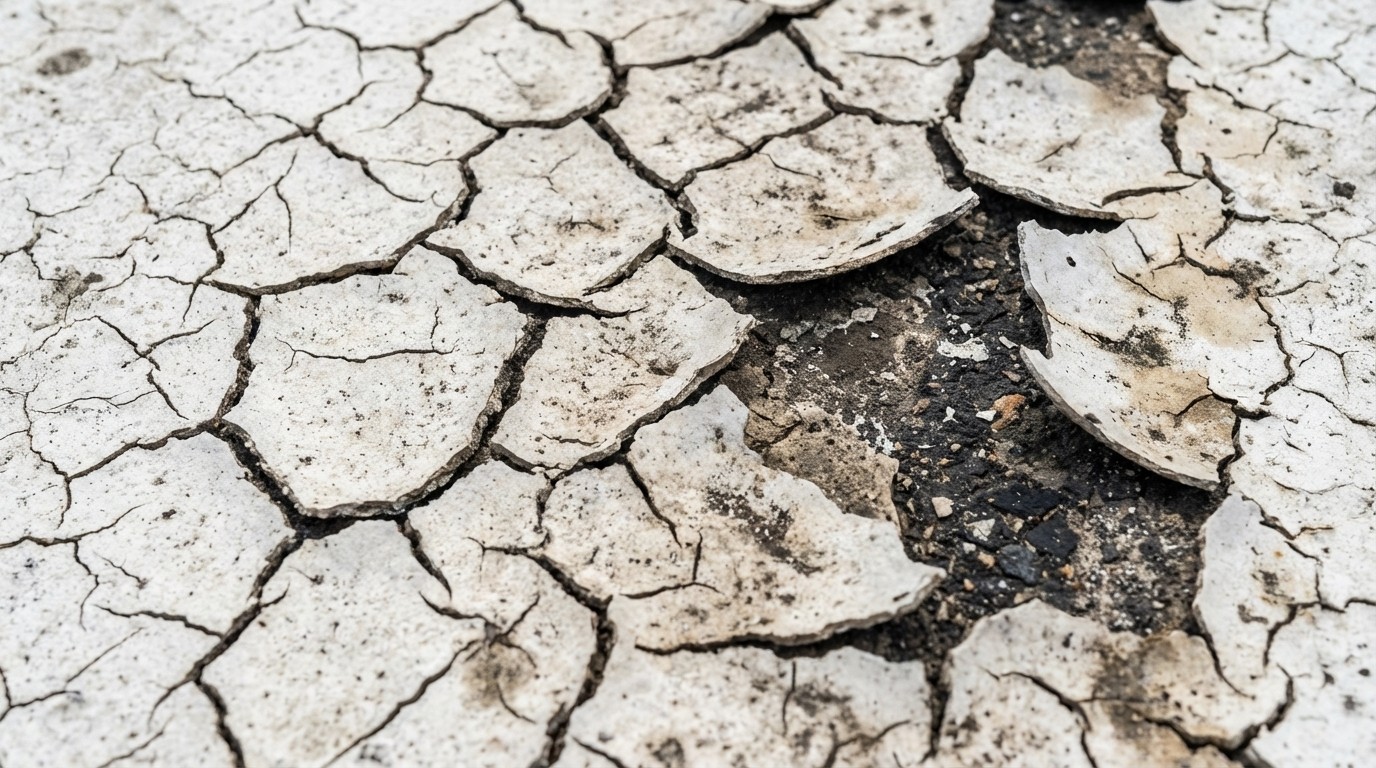
Watch for these indicators:
Visible cracks or peeling in the coating
Water pooling in new areas where it didn't before
Fading or chalking of the coating surface
Small leaks appearing inside your home
You've reached 80% or more of the expected lifespan
Roof Waterproofing Maintenance Tips
Proper maintenance extends lifespan and catches problems early.
Annual Maintenance Checklist
Spring Inspection (after winter weather):
Check for cracks, peeling, or bubbling
Inspect seams and flashing for separation
Clear debris from the roof surface
Clean gutters and downspouts
Look for signs of ponding water
Check roof penetrations (vents, chimneys, skylights)
Fall Inspection (before winter):
Remove leaves and debris
Inspect for summer heat damage
Check drainage systems for proper flow
Verify coating integrity before snow and ice season
Cleaning and Care
Safe Cleaning Method:
Use a soft-bristle broom or leaf blower (not pressure washer)
Remove debris promptly to prevent moisture buildup
Clear gutters to ensure proper drainage
Avoid harsh chemicals or abrasive cleaning methods
Avoid:
Walking on the roof unnecessarily (degrades coating over time)
Harsh chemicals or abrasive scrubbing
Sharp tools that could puncture the waterproofing membrane
When to Call a Professional
Contact a roofing professional for a professional roof inspection if you notice:
Cracks longer than 6 inches
Bubbling or delamination of the coating
Active leaks or water stains inside your home
Ponding water that doesn't drain within 48 hours
Visible wear covering 20% or more of the roof surface
Maintenance Costs:
Annual inspection: $125 to $300
Minor touch-ups: $200 to $500
Re-sealing penetrations: $150 to $400
Catching small issues early with annual inspections costs $200 to $300. Ignoring problems until major leaks develop can lead to $5,000 or more in interior damage repairs.
Conclusion
Roof waterproofing offers a cost-effective way to extend your roof's life and protect your home from water damage.
Next Steps
Ready to protect your roof?
1. Assess your roof's condition: If it's 10 to 18 years old with minor wear, waterproofing is likely a smart choice.
2. Get multiple quotes: Don't settle for one estimate. Comparing quotes helps you understand fair pricing and find the best contractor.
3. Choose quality materials: Investing in silicone or EPDM pays off with longer lifespan and better protection.
Visit roofquotes.com to connect with up to 5 vetted waterproofing contractors in Chattanooga. Compare line-item quotes, read reviews, and choose the best value for your home. All with your money protected in escrow until the job is done right.